Introduction
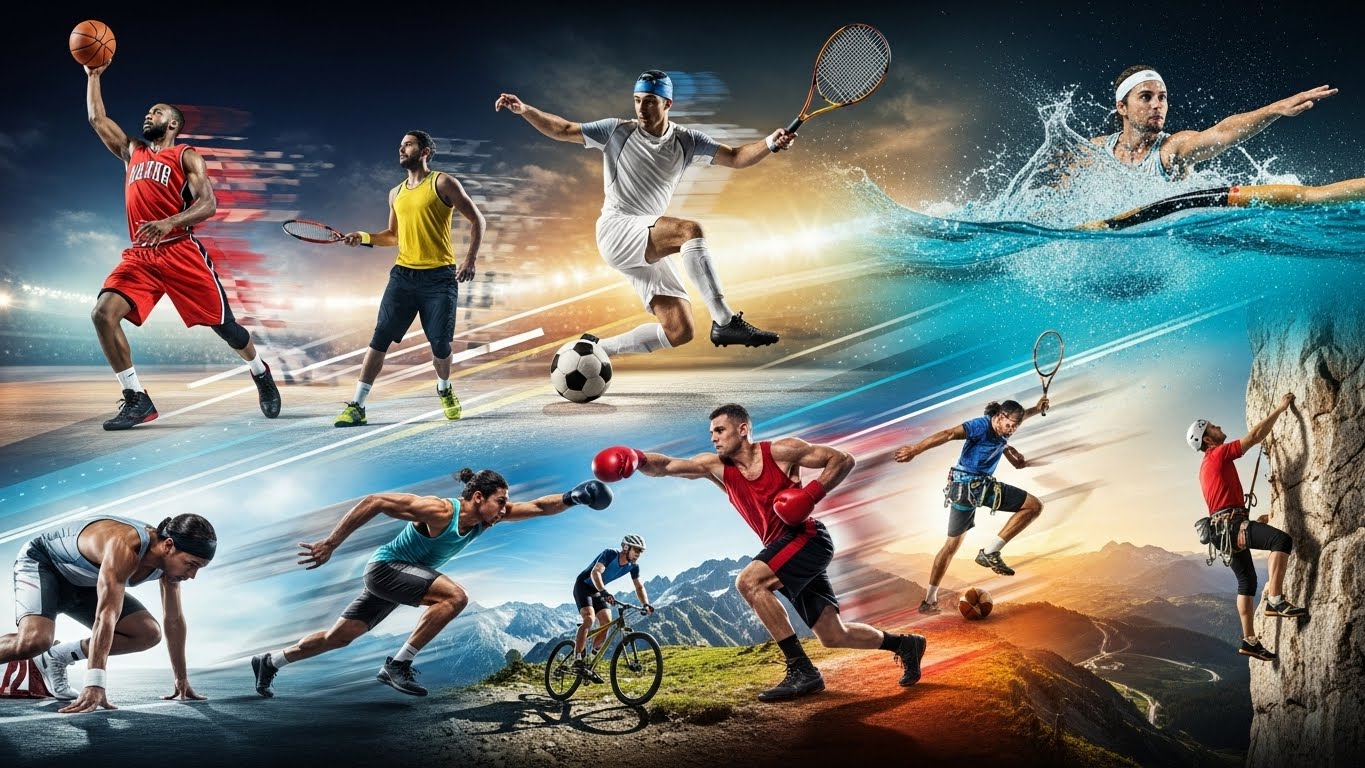
Sports are more than games played on fields, courts, or tracks—they are a reflection of human spirit, discipline, and culture. From the earliest forms of organized competition to the modern global sporting industry, sports have influenced society, inspired individuals, and fostered unity across communities. Beyond physical activity, sports promote mental health, teach essential life skills, and contribute to social and economic development. This blog explores the significance of sports, their evolution, cultural impact, and why they continue to hold a central place in human life.
The Origins of Sport
The history of sport stretches back thousands of years. Ancient civilizations used competitive games to test strength, agility, and intelligence. The Olympic Games in Greece were celebrated to honor the gods and showcase physical excellence, while ancient Chinese, Egyptian, and Mesopotamian societies held athletic competitions as part of religious and cultural events. Early sports often combined physical challenges with ritualistic or communal functions. Over time, as societies evolved, sports became more organized, codified with rules, and recognized as forms of entertainment and competition.
The Evolution of Modern Sports
Modern sports, as we know them today, began to take shape in the 19th and 20th centuries. Standardized rules, professional leagues, and international competitions turned recreational games into organized industries. Football, basketball, cricket, and tennis became widely recognized, each developing unique fan bases and traditions. The advent of radio, television, and later digital media brought sports to a global audience, creating cultural phenomena that united people across regions and nations. Today, sports are not only a display of physical talent but also a platform for strategy, teamwork, and entertainment.
The Role of Athletes
Athletes are the lifeblood of sports, embodying discipline, determination, and skill. Their commitment to training, physical fitness, and mental resilience is essential to success. Beyond competition, athletes inspire millions through their achievements, sportsmanship, and personal stories. Many become role models, using their influence to promote social causes, motivate young people, and foster community engagement. The professionalism and dedication of athletes elevate sports, making them an arena for excellence, personal growth, and societal inspiration.
Sports as a Cultural Phenomenon
Sports are deeply intertwined with culture. Events such as the Olympics, FIFA World Cup, and national championships unite people, create shared experiences, and promote national pride. Fans celebrate victories, analyze strategies, and participate in rituals surrounding games, from chants to fan art. Local and community sports foster social cohesion, teaching teamwork and collaboration while creating lifelong memories. Through its integration into music, fashion, and media, sports have become a central cultural force that transcends mere competition.
Physical and Mental Benefits of Sports
Participation in sports provides extensive physical and mental benefits. Physically, sports improve cardiovascular health, enhance muscle strength, increase flexibility, and promote overall fitness. Mentally, sports boost confidence, reduce stress, and enhance focus and discipline. Team sports encourage communication, leadership, and cooperation, while individual sports promote self-motivation, strategic thinking, and resilience. Engaging in regular physical activity through sports also supports long-term health, helping prevent chronic illnesses and maintaining well-being across a lifetime.
Youth Engagement in Sports
Youth involvement in sports is critical for personal development. Schools and community programs provide structured environments where children can learn skills, engage in teamwork, and develop social connections. Sports teach essential life lessons such as perseverance, fair play, and goal setting. Participation also fosters self-confidence and a sense of belonging, particularly in group activities. Additionally, exposure to sports at a young age encourages lifelong healthy habits, promoting both physical and mental well-being.
Women in Sports
Women’s participation in sports has grown tremendously over the past century. Female athletes have broken barriers, challenged stereotypes, and achieved remarkable accomplishments in a variety of disciplines. Women’s sports leagues, professional competitions, and international events have gained visibility, inspiring young girls and challenging societal norms. Female athletes are not only competitors but also advocates for equality, social justice, and empowerment, demonstrating that sports can drive social progress and inclusivity.
Economic Impact of Sports
Sports are a significant economic force. Professional leagues, tournaments, and sporting events generate revenue through ticket sales, broadcasting rights, sponsorships, and merchandise. The industry also creates employment in areas such as coaching, event management, media production, and sports marketing. Mega-events, such as the Olympics and World Cup, stimulate local economies by boosting tourism, infrastructure development, and global investment. The financial ecosystem surrounding sports ensures that it contributes substantially to economic growth and innovation.
Technology in Sports
Technology has transformed sports in numerous ways. Wearable devices track performance and health metrics, while video analysis and instant replay enhance fairness and decision-making. Broadcasting innovations allow global audiences to follow events in real time, and social media enables fans to interact directly with athletes and teams. Emerging technologies like virtual reality and augmented reality are creating immersive experiences for both players and spectators. These advancements are reshaping how sports are played, viewed, and experienced worldwide.
Sports as a Tool for Social Change
Sports have historically been a platform for social transformation. They promote unity, equality, and justice, breaking down barriers of race, gender, and socioeconomic status. Athletes and organizations leverage their visibility to raise awareness on social issues, support charitable causes, and inspire communities. Programs that encourage sports participation in underserved areas can combat social inequality, promote inclusion, and provide opportunities for education and personal growth. Sports have the power to influence values, behavior, and social norms.
Global Sports Events
International sports competitions are celebrated worldwide and have immense cultural, social, and economic significance. Events such as the FIFA World Cup, the Olympic Games, and world championships bring together athletes and audiences from across the globe. These competitions showcase talent, foster international collaboration, and inspire collective celebration. Mega-events create opportunities for host countries to invest in infrastructure, tourism, and international recognition, making sports a bridge between nations and cultures.
Challenges in Modern Sports
While sports offer numerous benefits, they also face challenges. Issues such as doping, corruption, and commercial exploitation threaten the integrity of competitions. Athlete welfare, mental health, and career sustainability are ongoing concerns. Additionally, access and representation remain critical issues, particularly for marginalized communities and women. Addressing these challenges requires oversight from governing bodies, ethical standards, and community engagement to ensure sports continue to inspire, educate, and unite.
The Future of Sports
The future of sports is intertwined with technology, inclusivity, and global engagement. Virtual reality and artificial intelligence may redefine training, gameplay, and fan experiences. Efforts to increase accessibility and representation will create more opportunities for women, differently-abled athletes, and underrepresented communities. Sports will continue to evolve in alignment with social, cultural, and technological changes, maintaining their role as a source of inspiration, entertainment, and social cohesion.
Conclusion
Sports are a vital part of human life, shaping individuals, communities, and societies. They promote health, discipline, teamwork, and resilience while inspiring passion, creativity, and unity. From youth programs to professional leagues, from local competitions to international events, sports influence culture, economy, and personal development. Beyond the thrill of victory and the lessons of defeat, sports teach enduring values that shape character and society. Their continued evolution ensures that they will remain a cornerstone of human experience for generations to come.