Introduction: More Than Just a Game
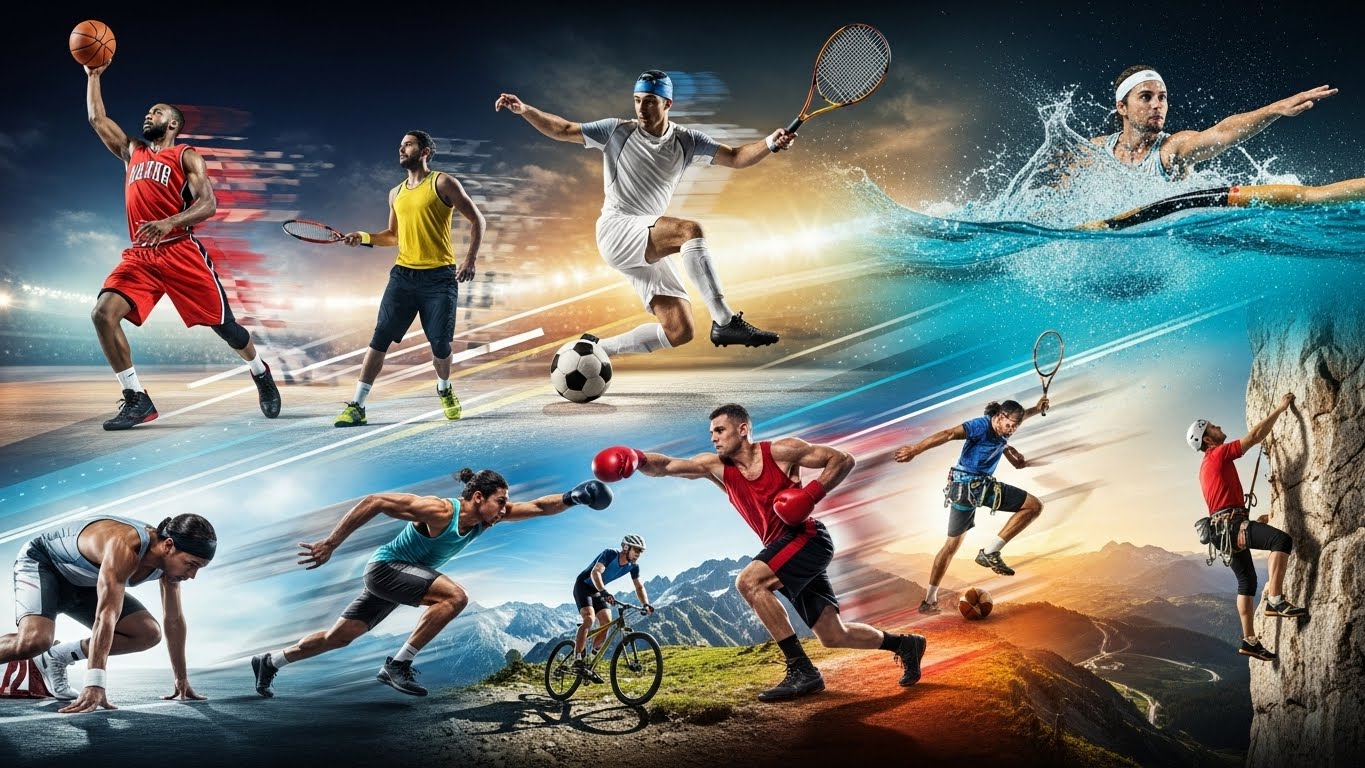
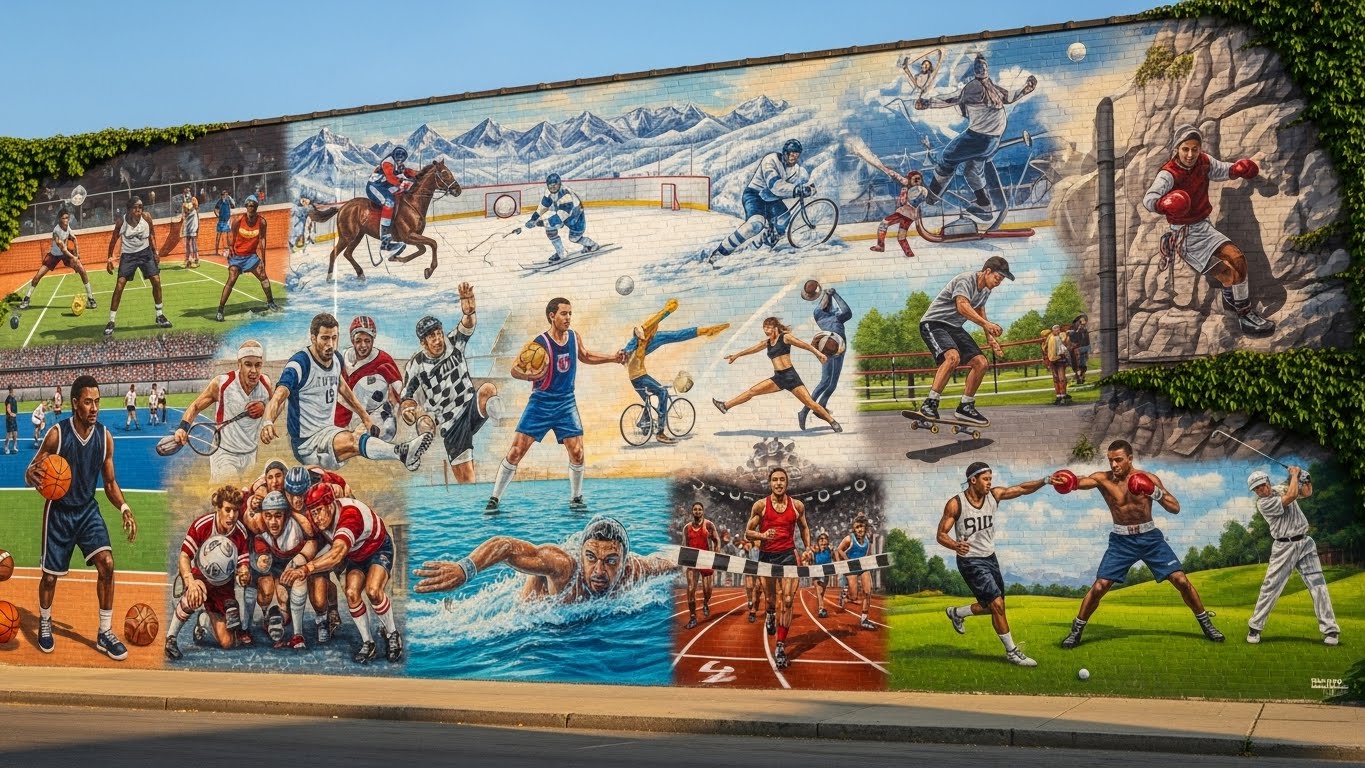
Sports have been an integral part of human civilization for centuries. From ancient Olympic contests to modern professional leagues, sports have transcended mere physical activity to become a universal language that connects people across cultures, generations, and backgrounds. They inspire dedication, teamwork, resilience, and passion while influencing social norms, culture, and even global politics. This blog explores the multifaceted world of sports, highlighting its impact on individuals, communities, and society at large.
The History of Sports: From Ancient Traditions to Modern Arenas
Sports have deep historical roots, dating back thousands of years. Ancient civilizations such as Greece, Egypt, and China incorporated physical contests into their cultures, often linked with religious rituals or societal status. The Olympic Games in ancient Greece, beginning in 776 BCE, were more than competitions; they symbolized unity and excellence.
As time progressed, sports evolved alongside society. Medieval jousts, traditional martial arts, and indigenous games all reflect the cultural values of their time. The industrial revolution and urbanization paved the way for organized sports, standardized rules, and competitive leagues. Today, modern sports encompass global tournaments, professional athletes, and advanced technologies that enhance both play and viewing experiences.
The Physical Benefits of Sports
One of the most obvious impacts of sports is on physical health. Regular participation in sports improves cardiovascular fitness, strengthens muscles, enhances flexibility, and promotes overall well-being. Engaging in sports reduces the risk of chronic diseases such as obesity, diabetes, and heart conditions while promoting longevity.
Beyond physical fitness, sports also develop motor skills, coordination, and balance. From a young age, participation in structured sports teaches children body awareness, agility, and the importance of consistent physical activity. These benefits extend into adulthood, fostering a lifetime of healthier habits.
Mental and Emotional Benefits
While sports are often celebrated for physical prowess, their mental and emotional benefits are equally significant. Participation in sports enhances cognitive function, concentration, and problem-solving skills. Strategic games such as basketball, soccer, or tennis require players to think critically under pressure, anticipate opponents’ moves, and make split-second decisions.
Sports also offer emotional benefits, including stress relief, improved mood, and increased self-esteem. Achieving personal goals or contributing to a team’s success creates a sense of accomplishment and belonging. For many, sports become an outlet for expressing emotions, building resilience, and coping with life’s challenges.
Teamwork and Social Skills
Sports are inherently social activities, fostering teamwork, communication, and collaboration. Players learn to work together toward a common goal, understand roles within a group, and develop empathy and leadership skills. Team sports teach individuals to celebrate collective achievements while managing conflicts and supporting one another during setbacks.
These social skills often extend beyond the field. Athletes learn how to navigate relationships, handle pressure, and interact respectfully with diverse groups of people. Sports cultivate a sense of community and belonging, which is essential for personal development and social cohesion.
Popular Sports Around the World
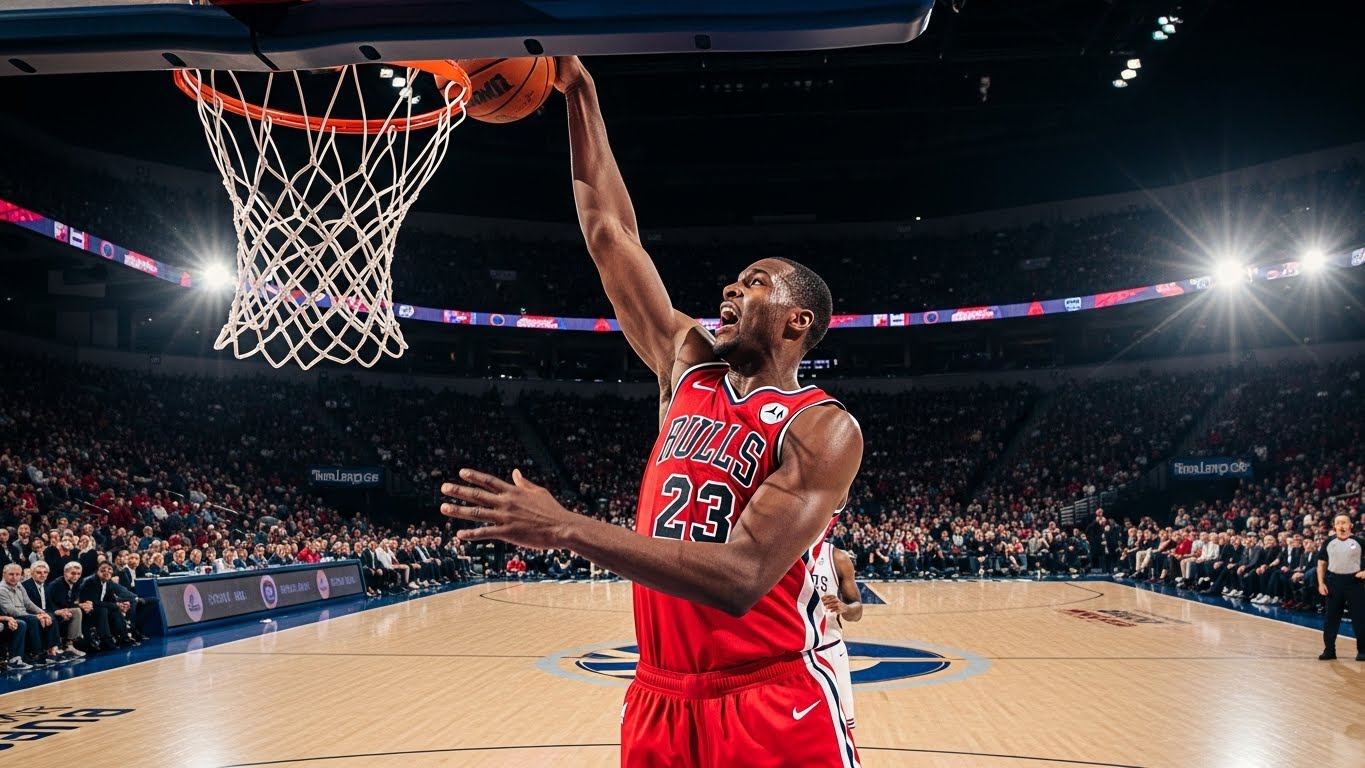
Different regions of the world have developed distinct sporting cultures. Football, also known as soccer, enjoys unparalleled global popularity, captivating billions of fans across continents. Basketball has become a major cultural phenomenon, particularly in North America and increasingly worldwide. Cricket dominates South Asia and parts of the Commonwealth, while rugby, tennis, and athletics have their own strong followings.
The variety of sports ensures that there is something for everyone, catering to different physical abilities, interests, and cultural contexts. Each sport carries unique strategies, rules, and traditions, enriching the global sports tapestry and promoting cross-cultural appreciation.
The Rise of Professional Sports
Professional sports have transformed games into multi-billion-dollar industries. Athletes now pursue careers that combine talent, training, and business acumen. Professional leagues offer structured pathways for athletes to compete at the highest levels, while sponsorships, endorsements, and media coverage have elevated sports into a global spectacle.
Professional sports also inspire future generations. Iconic athletes become role models, demonstrating dedication, perseverance, and the rewards of hard work. Young players aspire to emulate their heroes, fueling a cycle of talent development and societal admiration for sports excellence.
Sports and Education
Sports have a profound role in education. Schools and universities incorporate physical education programs to promote health, discipline, and teamwork. Scholarships for athletic achievement provide opportunities for students who might not otherwise access higher education, bridging gaps in socio-economic status.
Participation in school sports develops essential life skills, including time management, leadership, and perseverance. The lessons learned through competition often translate into academic and professional success, illustrating the holistic benefits of integrating sports into education.
Sports as a Cultural Phenomenon
Sports are more than games; they are cultural touchstones. Events such as the Olympics, the World Cup, and the Super Bowl unite millions of people, fostering shared experiences and national pride. Sports influence fashion, music, language, and media, reflecting and shaping societal trends.
They also provide a platform for social commentary and advocacy. Athletes have historically used their visibility to champion causes such as racial equality, gender equity, and human rights. Sports can amplify voices, challenge stereotypes, and promote positive social change.
The Role of Technology in Modern Sports
Technology has revolutionized how sports are played, analyzed, and consumed. Advanced training equipment, wearable devices, and performance analytics allow athletes to optimize their physical capabilities and prevent injuries. Video replay systems, goal-line technology, and instant analysis enhance fairness and accuracy in competitions.
For fans, technology offers immersive experiences through live streaming, virtual reality, and interactive broadcasts. Social media platforms allow athletes and teams to connect directly with supporters, creating dynamic engagement and transforming spectatorship into participatory experiences.
Challenges and Controversies in Sports
Despite its many benefits, sports are not without challenges. Issues such as doping, corruption, exploitation, and inequality persist across disciplines. Ensuring fair play, ethical governance, and equal access remains a continuous struggle.
Physical risks are also inherent. Injuries, long-term health concerns, and the pressure to perform can affect athletes’ well-being. Balancing competitiveness with safety and integrity is crucial for sustaining the positive impact of sports.
Sports for Social Good
Sports have the power to drive social change. Community programs, charity events, and grassroots initiatives use sports to address social issues, promote education, and empower marginalized groups. Initiatives that encourage youth participation in sports foster discipline, confidence, and resilience while providing safe spaces for growth.
Internationally, sports diplomacy has been used to bridge divides, improve relationships between nations, and promote peace. Shared enthusiasm for sports transcends language, religion, and politics, proving that sports can unite where other avenues may fail.
The Future of Sports
The future of sports is bright, shaped by innovation, inclusivity, and global interconnectedness. Emerging trends such as esports integration, adaptive sports for differently-abled individuals, and sustainability initiatives are expanding what it means to engage with sports.
Sports will continue to evolve with society, reflecting technological advancements, changing cultural norms, and environmental considerations. The essence, however, remains the same: a platform for human expression, achievement, and connection.
Conclusion: Sports as a Lifelong Journey
Sports are far more than competitions or physical activity; they are a lens through which we understand human potential, resilience, and community. They teach lessons that extend far beyond the field, court, or track, influencing health, character, and culture.
Whether as a participant or a spectator, sports invite us to engage with passion, dedication, and respect. They inspire dreams, challenge limits, and create shared experiences that transcend borders. In a world that often feels fragmented, sports remind us of our collective humanity, showing that the pursuit of excellence and the joy of play are universal forces capable of shaping lives and society in profound ways.