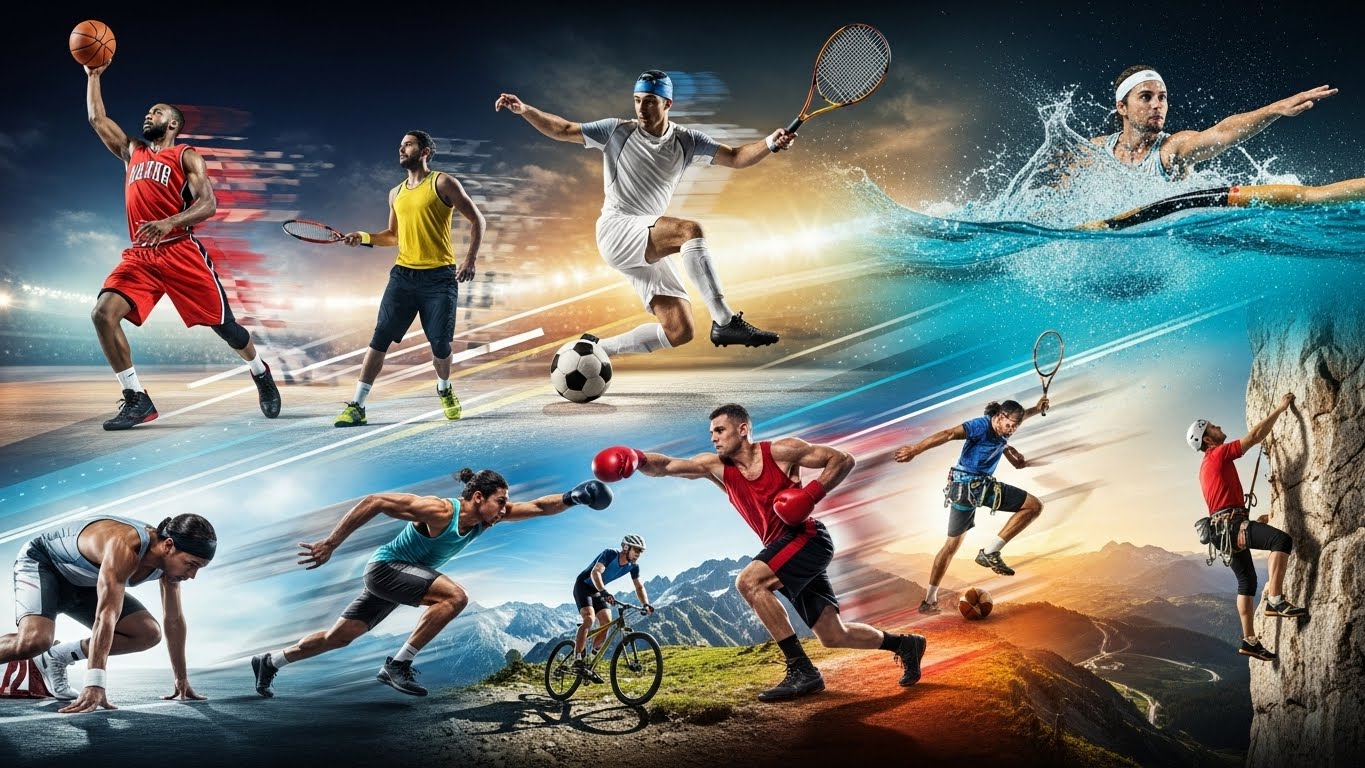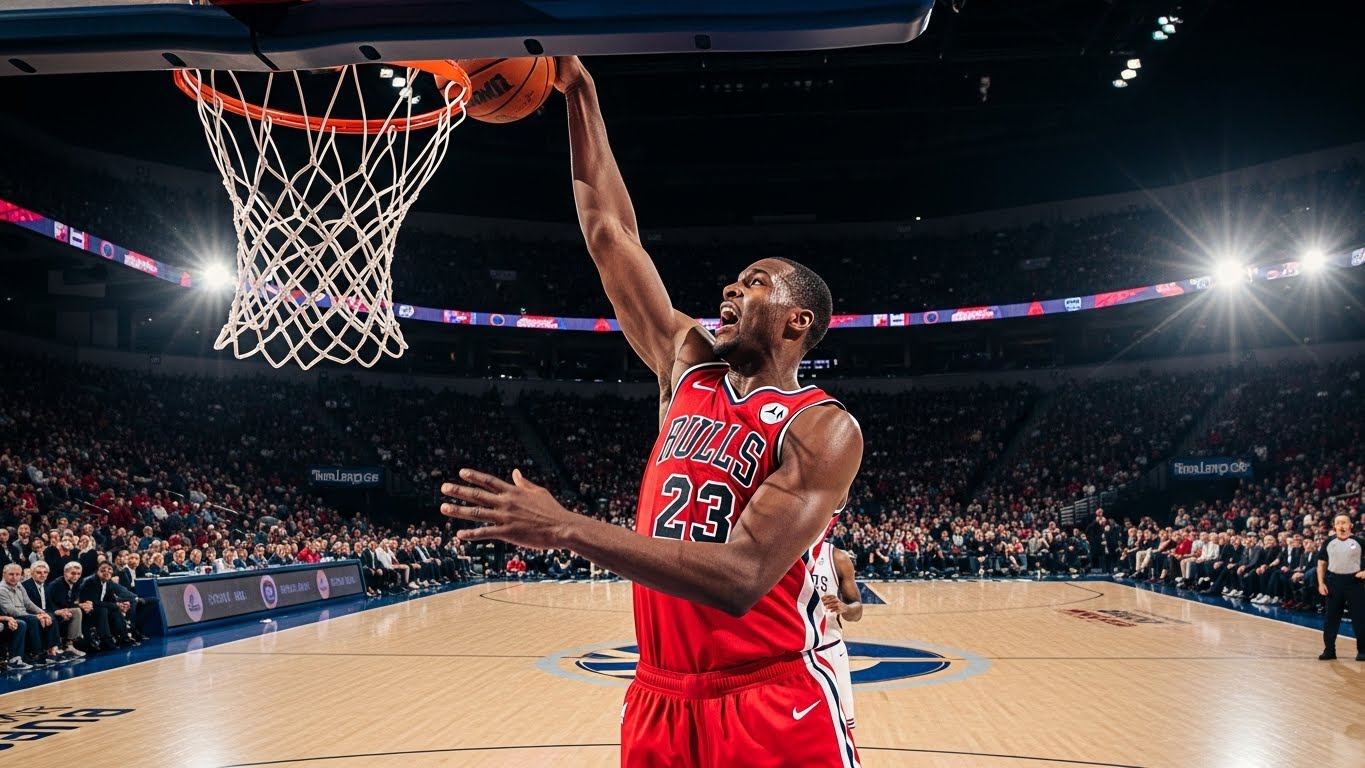
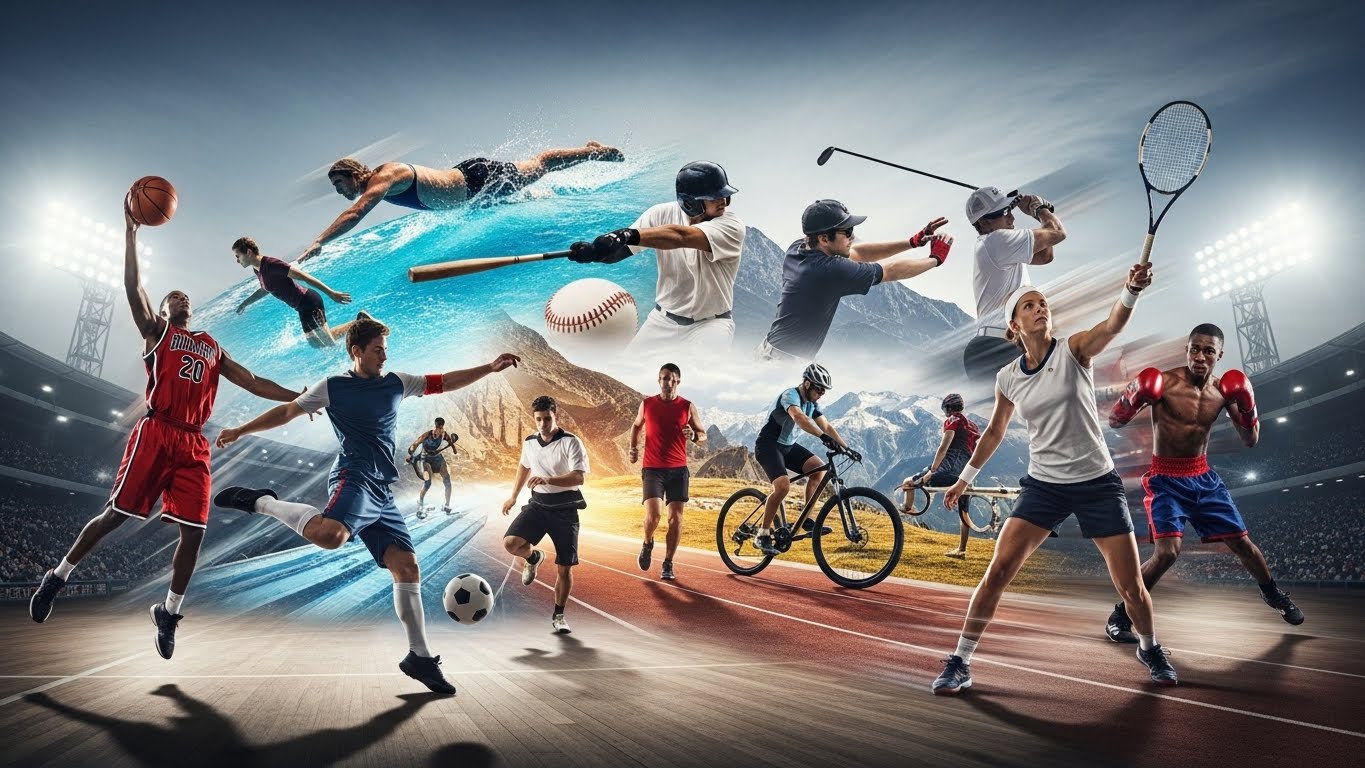
Sports are more than just games; they are an intrinsic part of human culture and society. From the thrill of competition to the joy of camaraderie, sports have a unique way of bringing people together and showcasing the human spirit at its finest. Whether it’s the anticipation before a big match or the celebrations after a winning goal, the emotions, the energy, and the stories woven into the fabric of sports make them an essential part of the global experience. In this blog post, we will explore the multifaceted nature of sports, their impact on society, and why they continue to inspire generations across the world.
The Universal Language of Sports
Sports are often called a universal language, one that transcends national borders, language barriers, and cultural differences. From a soccer match in Brazil to a cricket game in India or a rugby match in New Zealand, sports offer a common ground for people from different walks of life to connect. At the heart of this universality is competition, an aspect of human nature that is ingrained in us from an early age.
Across the globe, people unite to cheer for their teams or celebrate individual accomplishments, regardless of where they come from. Sports serve as a powerful tool for community building, creating spaces where people of all ages, genders, and backgrounds come together to share in the collective experience of victory, defeat, and everything in between.
One of the most striking features of sports is their ability to unite people who may otherwise have little in common. Whether it’s a World Cup match or the Olympics, sports offer a shared experience that connects us all, fostering feelings of belonging, pride, and unity. Through sports, we can experience the highs and lows of human emotion, from the elation of a last-minute win to the heartbreak of a missed opportunity, creating a sense of empathy and solidarity among fans.
The Benefits of Sports: Health, Mental Well-being, and Social Connections
The importance of sports extends far beyond the thrill of competition or entertainment. Engaging in sports offers a wide array of physical, mental, and social benefits that positively impact both individuals and communities.
Physical Health Benefits
At its core, participating in sports promotes physical health. Regular involvement in sports can improve cardiovascular health, strengthen muscles, enhance flexibility, and boost endurance. Sports also help manage weight and reduce the risk of chronic conditions such as diabetes, obesity, and heart disease. Furthermore, engaging in sports teaches people the value of an active lifestyle, encouraging them to prioritize their health through exercise.
For children, playing sports is particularly beneficial. It helps develop motor skills, coordination, and overall physical fitness, providing a foundation for healthy habits that can last a lifetime. For adults, sports offer a way to stay in shape, maintain energy levels, and fight off the effects of aging. Older adults, in particular, benefit from low-impact sports such as swimming or cycling, which can improve mobility and reduce the risk of falls.
Mental Well-being
In addition to the physical benefits, sports play a crucial role in supporting mental well-being. Physical activity triggers the release of endorphins, which are the body’s natural mood elevators. This can help alleviate stress, anxiety, and symptoms of depression. Participating in sports also provides an outlet for people to focus their energy on something positive, helping them manage stress and frustrations that may arise in their personal or professional lives.
For many, sports provide a sense of routine and structure, which can be particularly beneficial for mental health. Engaging in a sport regularly allows people to set goals, track progress, and experience a sense of achievement. The focus required during a game or practice session often helps individuals escape from their everyday concerns and be present in the moment.
Social Connections and Teamwork
Sports are a powerful medium for social interaction, allowing people to meet others with similar interests and build lasting relationships. Whether playing in a local league or supporting a professional team, sports create a sense of community and belonging. This is especially true for team sports, where players learn the value of collaboration, communication, and mutual support. Teamwork fosters deep bonds between teammates, creating friendships that can last far beyond the playing field.
Moreover, sports are a way to strengthen community ties. Local leagues and sports clubs bring together people from all walks of life, giving them a sense of shared purpose and common goals. Sporting events, whether amateur or professional, serve as community events where people gather to socialize, celebrate, and connect.
Sports as a Platform for Personal Growth
Participating in sports offers countless opportunities for personal development. Athletes learn invaluable life skills such as discipline, time management, perseverance, and leadership. Whether an individual is part of a team or competing solo, sports require dedication and commitment. Athletes must hone their skills through practice, focus on long-term goals, and push themselves to overcome challenges and setbacks.
For young people, sports are often the first arena where they learn how to handle success and failure. Winning teaches them the importance of hard work, while losing teaches them resilience, humility, and the value of continuous improvement. These lessons carry over into other areas of life, equipping athletes with the tools needed to succeed in academics, careers, and relationships.
For athletes at the professional level, sports provide a platform to develop leadership qualities and manage pressure. Professional athletes often become role models for young fans, demonstrating the importance of hard work, resilience, and integrity. The discipline and mental toughness required to perform at the highest levels also serve as inspiration for others, encouraging them to pursue their passions and overcome their own obstacles.
The Power of Sports in Society
Sports are much more than just games; they are an integral part of society. Beyond their entertainment value, sports have a profound impact on culture, economics, and even politics.
Cultural Influence
Sports often serve as a reflection of society’s values and cultural identity. From national pride during the Olympics to regional pride during football championships, sports allow people to showcase their heritage and celebrate their cultural traditions. In many countries, sports are an essential part of the national identity, and international competitions provide an opportunity for countries to come together and showcase their strengths.
Sports also play a role in shaping popular culture. Iconic athletes like Muhammad Ali, Serena Williams, and Michael Jordan have transcended their sports to become global cultural icons. Through their achievements, they’ve influenced fashion, music, and social movements, inspiring generations to push for equality, justice, and social change.
Economic Impact
Sports have a significant economic impact on society, generating billions of dollars in revenue every year. From ticket sales and broadcasting rights to sponsorships and merchandise, the sports industry is a major economic engine. Professional sports leagues like the NBA, NFL, and EPL contribute to local economies by creating jobs and attracting tourism.
Moreover, the growth of sports-related businesses, including fitness clubs, sportswear companies, and equipment manufacturers, has led to the creation of thousands of jobs worldwide. Sports also stimulate innovation in technology, media, and entertainment, leading to the development of new sports broadcasting methods, fan engagement technologies, and digital platforms that make it easier for people to follow their favorite athletes and teams.
Sports and Politics
Sports have often played a role in political movements and social change. Athletes like Jackie Robinson, Colin Kaepernick, and Tommie Smith have used their platforms to advocate for social justice and bring attention to issues such as racial inequality, discrimination, and civil rights. The global stage of sports provides a powerful platform for political statements and the advancement of social causes.
Moreover, sports can act as a catalyst for peace. Events like the Olympic Games and World Cup have brought together nations in ways that promote diplomacy and international unity. The ability of sports to bridge divides between opposing factions has been demonstrated in numerous cases, such as the famous “football diplomacy” between North and South Korea or the use of rugby to promote reconciliation in post-apartheid South Africa.
Conclusion: The Enduring Power of Sports
Sports will always hold a special place in the hearts of people around the world. Whether they are used as a means of personal expression, a source of entertainment, or a vehicle for social change, sports continue to captivate and inspire. Through their power to connect individuals, improve well-being, and shape society, sports are much more than a pastime—they are a universal force that touches every corner of the globe.
As we continue to evolve as a global society, the influence of sports will only grow. They will continue to shape our values, reflect our identities, and unite us in celebration of the human spirit. In an increasingly divided world, sports remain one of the few things that can bring us all together, transcending borders and languages, and proving that the power of sport lies in its ability to connect us all, no matter who we are or where we come from.