Introduction: The Universal Language of Sports
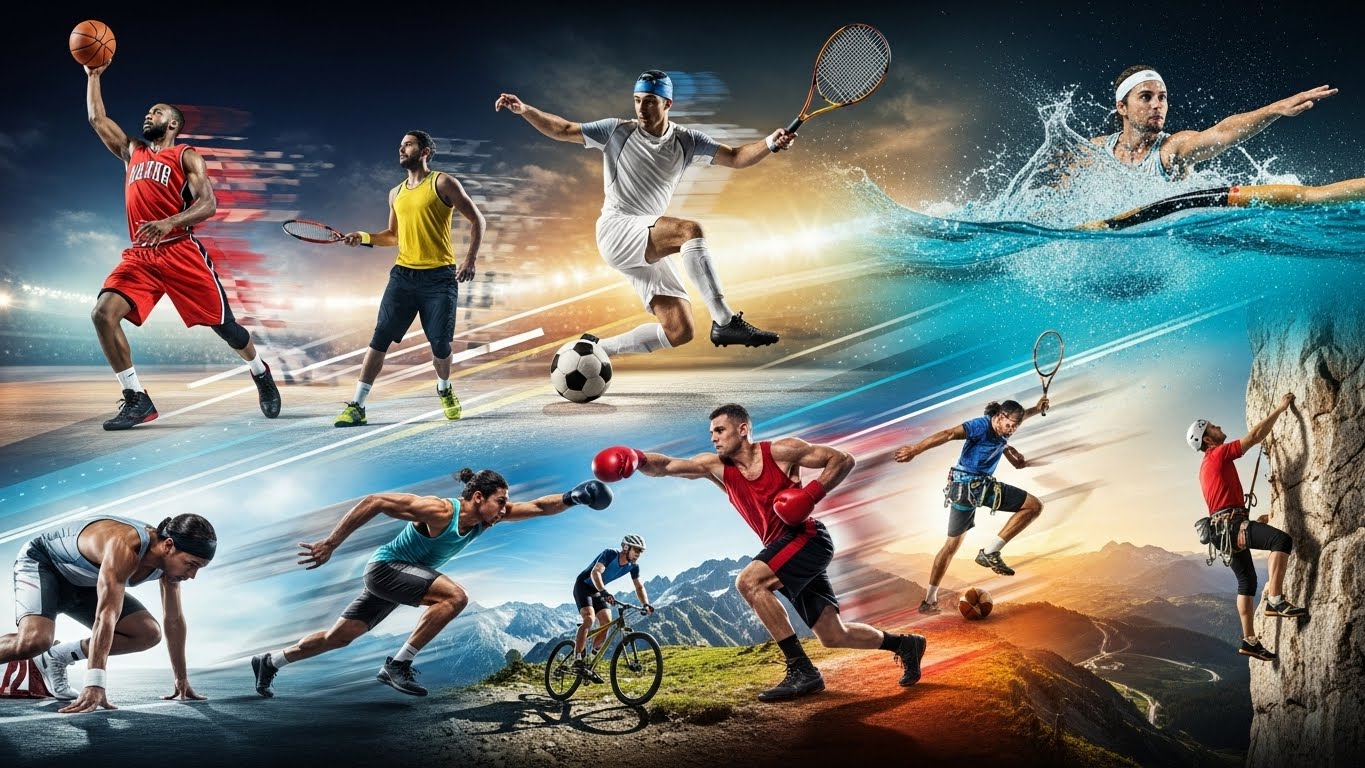
Sports have always been more than just a form of physical activity; they are a global language that transcends boundaries of culture, age, and geography. From ancient civilizations to modern-day stadiums, sports have united people, inspired nations, and shaped societies. They provide entertainment, foster personal development, and cultivate discipline, teamwork, and resilience. In the modern era, sports also influence economics, technology, media, and education. This blog explores the multifaceted impact of sports, examining their history, societal role, benefits, challenges, and future prospects.
The History of Sports
Sports have existed for thousands of years, evolving alongside human civilization. Ancient cultures, including the Greeks, Egyptians, and Romans, engaged in competitive physical activities for recreation, military training, and ritual purposes. The Olympic Games in ancient Greece exemplified sports as a platform for excellence, honor, and unity. Over time, sports have developed into organized, codified competitions with international standards and governing bodies. Today’s sports landscape includes traditional games such as soccer, basketball, and cricket, alongside emerging disciplines like esports and extreme sports, reflecting both cultural heritage and contemporary innovation.
The Physical Benefits of Sports
Engaging in sports provides significant physical benefits that enhance overall health. Regular participation improves cardiovascular fitness, strength, flexibility, and coordination. It helps manage weight, reduces the risk of chronic diseases, and strengthens bones and muscles. Sports also promote better sleep, energy levels, and immune function. Beyond general fitness, specialized training in sports develops agility, balance, and endurance. Physical activity through sports creates a foundation for a healthy lifestyle while fostering lifelong habits of movement, wellness, and vitality.
The Cognitive and Mental Benefits
Sports are not only beneficial for the body but also for the mind. Participation in competitive or recreational sports enhances concentration, problem-solving, and decision-making skills. Athletes must assess situations, anticipate opponents’ actions, and strategize in real-time, fostering cognitive agility. Sports also support mental health by reducing stress, anxiety, and depression. The endorphin release associated with physical activity improves mood and emotional resilience. Team-based sports develop communication, collaboration, and leadership skills, making them a powerful tool for cognitive and psychological growth.
Sports and Personal Development
Sports play a vital role in shaping character and personal growth. Participation teaches discipline, time management, goal setting, and perseverance. Athletes learn to handle victories and setbacks, building resilience and emotional maturity. Team sports foster cooperation, empathy, and conflict resolution, while individual sports emphasize self-reliance, focus, and accountability. Engaging in sports cultivates a growth mindset, encouraging individuals to strive for improvement and embrace challenges. These life skills extend beyond the field, positively influencing education, career, and personal relationships.
The Social Impact of Sports
Sports have a profound social dimension, bringing people together and fostering community cohesion. Spectatorship, whether in stadiums or through media, creates shared experiences that unite fans across diverse backgrounds. Local sports programs, recreational leagues, and community events provide opportunities for social interaction, mentorship, and cultural exchange. Sports can bridge generational, cultural, and social divides, promoting inclusivity and solidarity. Through shared passion and teamwork, sports cultivate a sense of belonging and strengthen social bonds in communities worldwide.
The Economic Significance of Sports
Sports are a major driver of economic activity on local, national, and global levels. Professional leagues, tournaments, and sporting events generate revenue through ticket sales, merchandising, broadcasting, and sponsorships. Infrastructure development, including stadiums, training facilities, and sports academies, creates jobs and stimulates local economies. Tourism associated with major events, such as the Olympics or FIFA World Cup, contributes significantly to economic growth. The economic impact of sports extends beyond revenue, influencing industries such as media, marketing, technology, and healthcare.
Technology and Innovation in Sports
Technology has transformed how sports are played, watched, and analyzed. Advanced equipment, wearable devices, and performance tracking systems enhance training, injury prevention, and athletic performance. Video replay, goal-line technology, and instant analytics improve fairness and spectator engagement. Digital platforms, streaming services, and social media allow fans to follow events in real-time and interact with athletes. Innovation in sports science and data analytics continues to optimize performance, strategy, and fan experience, highlighting the intersection of technology and athletic excellence.
Sports and Education
Sports play a crucial role in education by fostering holistic development. School and college sports programs enhance physical fitness, teamwork, and leadership among students. Scholarships and athletic programs provide opportunities for higher education and career advancement. Participation in sports cultivates discipline, time management, and goal-setting skills, complementing academic growth. Educational institutions recognize the value of sports in promoting health, character development, and social engagement, integrating athletics as a vital component of student development.
The Cultural Impact of Sports
Sports influence culture, identity, and societal values. Iconic athletes become role models, inspiring fans with their dedication, skill, and sportsmanship. Sports narratives—victories, rivalries, and underdog stories—resonate with audiences, shaping collective memory and national pride. Cultural traditions, festivals, and rituals often incorporate sports, reflecting their deep-rooted significance in human society. From grassroots to global spectacles, sports serve as a mirror of cultural values, ambition, and community spirit.
Challenges in Modern Sports
Despite the numerous benefits, sports face challenges that require attention. Issues such as doping, corruption, and unfair play undermine integrity. Commercialization and media pressures can create stress and burnout among athletes. Accessibility remains a concern, as socio-economic barriers limit participation for some individuals. Gender equality and inclusivity continue to be areas needing improvement, particularly in professional and elite sports. Addressing these challenges is essential to ensure that sports remain fair, inclusive, and sustainable for all participants.
Sports and Health Awareness
Sports also serve as a platform for promoting health awareness and wellness. Public campaigns, athlete advocacy, and community programs highlight the importance of physical activity, nutrition, and mental health. Professional athletes often inspire fans to adopt healthier lifestyles through their performance, discipline, and public influence. Sports provide an effective medium to encourage preventive healthcare, disease awareness, and active living, reinforcing the broader societal impact of athletic engagement.
The Globalization of Sports
Globalization has amplified the reach and influence of sports. International competitions, such as the Olympics, World Cups, and global leagues, bring together athletes and fans from diverse nations. Cultural exchange, international partnerships, and global media coverage increase awareness and participation worldwide. Globalization also fosters shared values of fair play, teamwork, and sportsmanship, promoting unity and understanding across borders. Sports have become a universal language, connecting people regardless of nationality, language, or culture.
The Future of Sports
The future of sports is poised for continued evolution, driven by technology, innovation, and cultural shifts. Virtual and augmented reality may redefine training, fan engagement, and broadcasting. Wearable technology and biometric data will optimize athlete performance and injury prevention. Inclusive policies and grassroots initiatives will broaden access to sports for all demographics. As sports continue to adapt to societal needs, they will remain a source of entertainment, personal development, and social cohesion, inspiring future generations to embrace athletic excellence and healthy lifestyles.
Conclusion: Sports as a Force for Good
Sports are far more than games; they are a force that shapes physical health, mental resilience, social connection, culture, and global identity. From personal development and community engagement to economic impact and technological innovation, sports touch multiple facets of human life. They teach discipline, perseverance, and teamwork, while providing joy, inspiration, and shared experiences. Embracing sports responsibly, inclusively, and sustainably ensures that they continue to enrich lives, bridge communities, and foster excellence for generations to come. Sports are not just a pastime—they are a transformative force that unites, empowers, and inspires.