Introduction
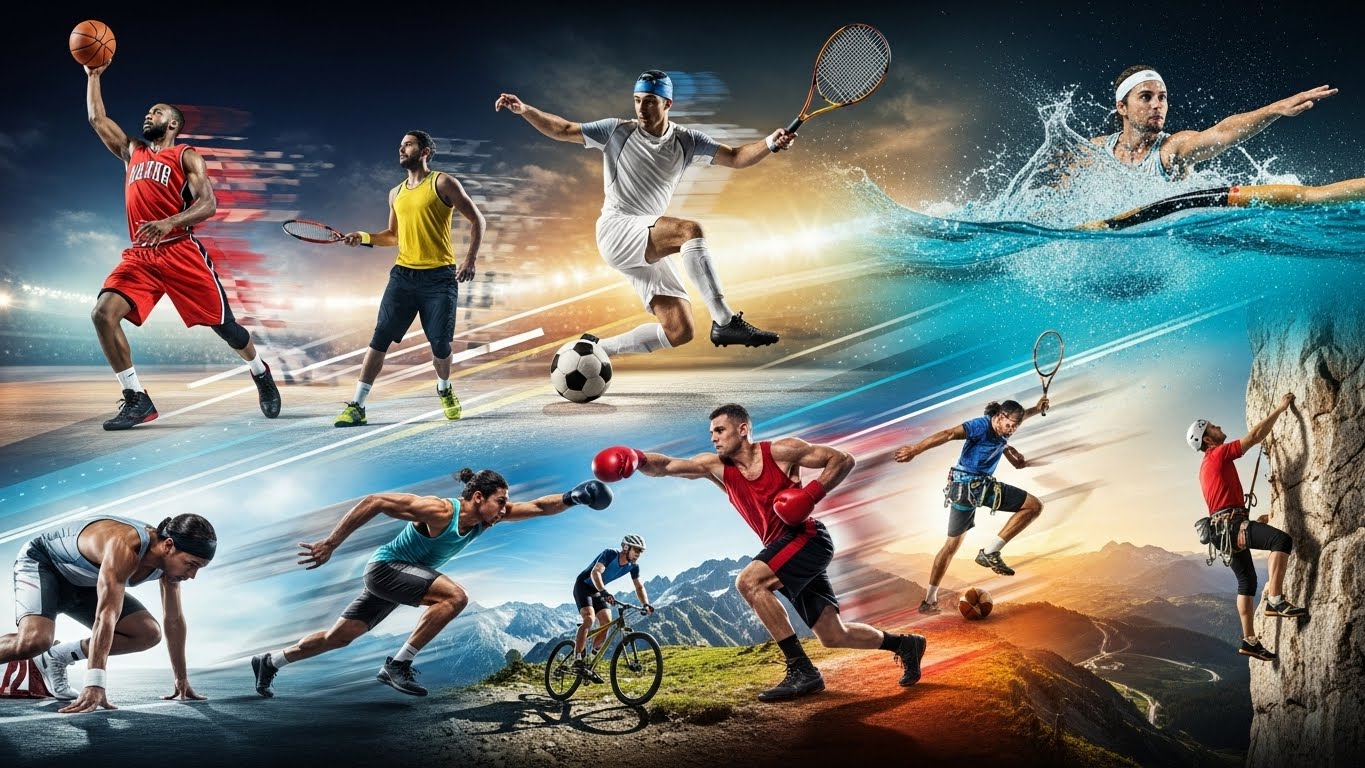
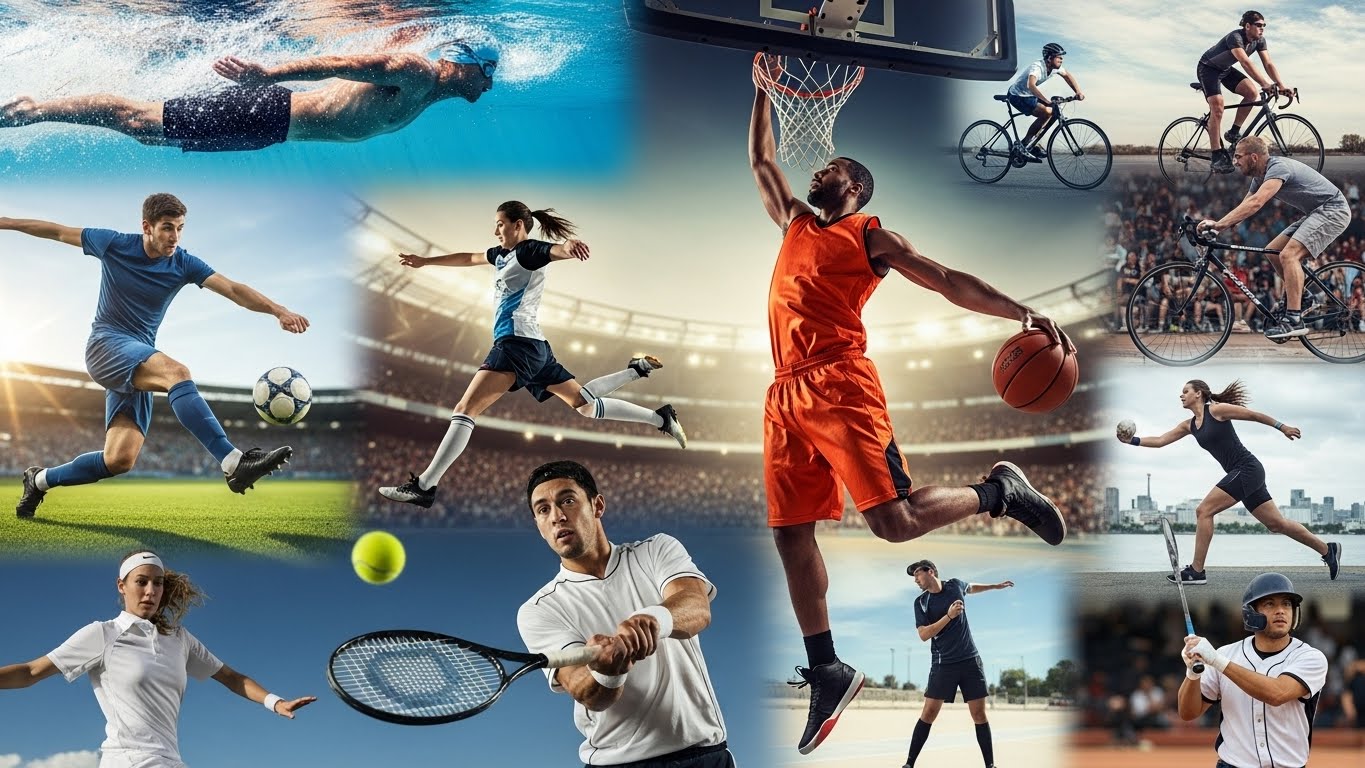
Sports are far more than a pastime or entertainment; they are a reflection of human culture, perseverance, and community. From ancient civilizations engaging in wrestling and chariot racing to modern-day stadium spectacles, sports have always held a significant place in society. They teach discipline, foster teamwork, build character, and provide a sense of identity to both participants and fans alike. This blog explores the multifaceted impact of sports, how they influence individual growth, community development, and global culture, and why they remain a universal language that transcends borders and differences.
The Physical Benefits of Sports
One of the most obvious impacts of sports is on physical health. Engaging in sports regularly improves cardiovascular health, strengthens muscles, enhances flexibility, and boosts overall stamina. Beyond mere fitness, sports help reduce the risk of chronic illnesses such as obesity, diabetes, and hypertension. Physical activity through sports also promotes better posture and bone density, which is particularly important as people age. Unlike routine exercise, sports often combine fun and competitiveness, making it easier for individuals to stay motivated and committed. The thrill of scoring a goal or achieving a personal best provides an emotional reward that a simple gym routine may not offer.
Mental Strength and Cognitive Development
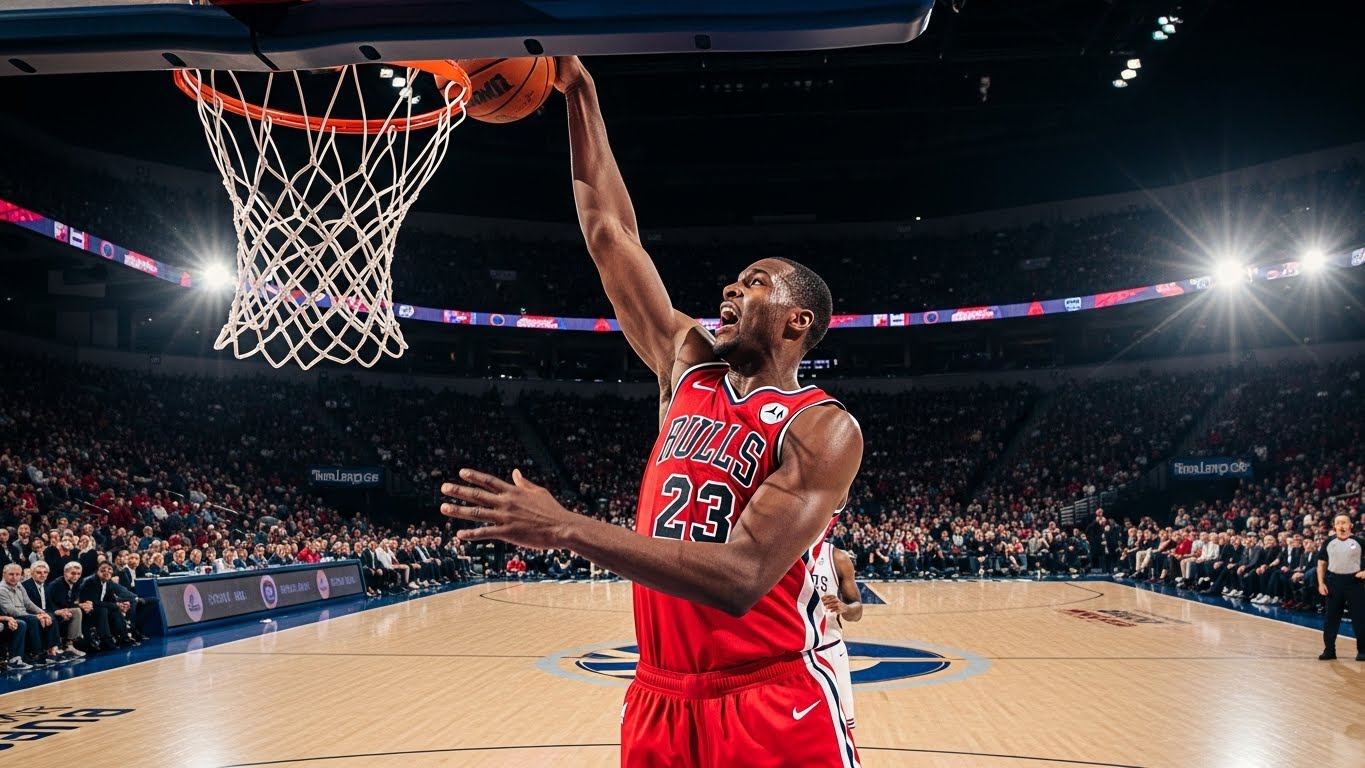
Sports also significantly contribute to mental health. Participating in sports reduces stress, anxiety, and depression by releasing endorphins, commonly known as “feel-good hormones.” It enhances focus, concentration, and strategic thinking, as athletes constantly analyze situations and make quick decisions. Team sports like basketball or soccer encourage players to anticipate others’ moves, fostering cognitive agility and problem-solving skills. Even individual sports like tennis or swimming demand self-discipline and mental resilience. Mental toughness gained through sports often transcends the playing field, equipping individuals to handle life’s challenges with composure and confidence.
Teamwork and Social Skills
Sports are a powerful medium for teaching teamwork and social interaction. In team-based sports, players must cooperate, communicate, and share responsibilities to achieve a common goal. This collaboration builds interpersonal skills, empathy, and an understanding of diverse perspectives. Even in individual sports, athletes interact with coaches, mentors, and competitors, developing networks and social skills that are invaluable in personal and professional life. The lessons learned in sports about supporting teammates, accepting criticism, and celebrating successes cultivate emotional intelligence, a quality that contributes to lifelong personal development.
Discipline and Personal Growth
One of the most critical life lessons sports impart is discipline. Athletes learn the value of consistent practice, time management, and perseverance. The journey from beginner to expert is rarely smooth; it requires dedication, patience, and a willingness to overcome failures. This discipline often spills over into other areas of life, influencing academic pursuits, career choices, and personal relationships. Sports teach the importance of goal-setting and self-improvement, showing that achievements are the results of hard work, planning, and persistence rather than luck alone.
Cultural Impact of Sports
Sports play an essential role in shaping culture and national identity. Iconic events like the Olympics, World Cup, or regional championships transcend geographical boundaries and bring people together in celebration of shared passion. Countries often rally behind their athletes, creating a sense of unity and pride. Sports heroes inspire millions, becoming symbols of perseverance, excellence, and hope. They influence art, fashion, and media, and their stories often reflect broader societal values and struggles. In many ways, sports serve as a cultural mirror, reflecting the aspirations, challenges, and evolution of communities worldwide.
Economic Significance of Sports
Beyond personal and cultural impacts, sports also hold substantial economic importance. Professional leagues, tournaments, and sporting events generate billions in revenue through ticket sales, merchandise, and broadcasting rights. Local economies benefit when stadiums and sports complexes attract visitors and tourism. Sports-related industries, including equipment manufacturing, fitness training, and sports medicine, create jobs and support livelihoods. The commercialization of sports, while sometimes criticized, has opened avenues for athletes to earn livelihoods and contribute to economic growth in ways previously unimaginable.
Inclusivity and Sports for All
In recent years, the inclusivity of sports has gained momentum, breaking barriers related to gender, age, and ability. Women’s sports are gaining recognition, and adaptive sports are offering opportunities for differently-abled athletes to showcase talent and compete at high levels. Sports foster an environment where meritocracy prevails; talent, effort, and strategy determine success rather than background or social status. Initiatives promoting sports in schools and communities encourage participation from all demographics, cultivating a healthier, more inclusive society. This accessibility reinforces the idea that sports belong to everyone and are a fundamental part of human experience.
The Role of Technology in Modern Sports
Modern technology has transformed sports in unprecedented ways. Advanced analytics, wearable devices, and performance-tracking systems allow athletes to optimize their training and monitor health. Video replay and officiating technologies ensure fairness in competitions, while social media connects fans with their favorite teams and players instantly. Virtual and augmented reality are creating immersive training environments, expanding the possibilities of learning and engagement. Technology not only enhances performance and viewer experience but also democratizes access to knowledge and skills, allowing aspiring athletes worldwide to learn from elite performers.
Sports and Education
The intersection of sports and education is another critical area where positive impact is evident. Schools and colleges integrating sports programs encourage students to adopt balanced lifestyles that nurture both intellectual and physical growth. Student-athletes develop time management skills, resilience, and leadership abilities that complement academic learning. Participation in sports also promotes mental well-being, reducing stress associated with rigorous academic pressure. Scholarships and opportunities to compete at higher levels make sports a gateway to education, social mobility, and personal growth.
Global Unity Through Sports
Perhaps the most profound aspect of sports is their power to unite people across borders. International competitions provide a platform where diverse cultures converge in a celebration of shared passion. Fans cheer for excellence, not nationality alone, fostering a sense of global community. Sports diplomacy has historically helped ease tensions and build relationships between nations, showcasing a common ground beyond politics. The spirit of fair play, mutual respect, and celebration of achievement resonates universally, proving that sports are more than games—they are instruments of global harmony.
Challenges in the World of Sports
Despite its benefits, sports are not without challenges. Issues like doping, corruption, commercialization, and unequal access continue to affect the integrity and inclusivity of sports. Overemphasis on winning can sometimes overshadow learning and personal development, leading to burnout among athletes. Addressing these challenges requires ethical governance, proper education, and a renewed focus on sportsmanship and fair play. Fans, organizers, and athletes alike share responsibility in preserving the true spirit of sports, ensuring it remains a force for positive transformation.
Conclusion
Sports are a microcosm of life itself, reflecting its struggles, triumphs, and lessons. They shape physical health, mental resilience, social skills, and cultural identity. They provide entertainment and economic opportunities, unite communities, and inspire individuals to strive for excellence. As society evolves, sports continue to adapt, embracing inclusivity, technology, and global outreach. The impact of sports goes far beyond the stadium, the court, or the field; it influences how we live, interact, and aspire. Engaging in sports is more than a hobby—it is an investment in our well-being, character, and humanity. In celebrating sports, we celebrate the human spirit itself, reminding us that life, much like a game, is about effort, teamwork, and the pursuit of excellence.