Introduction: Sports as a Universal Language
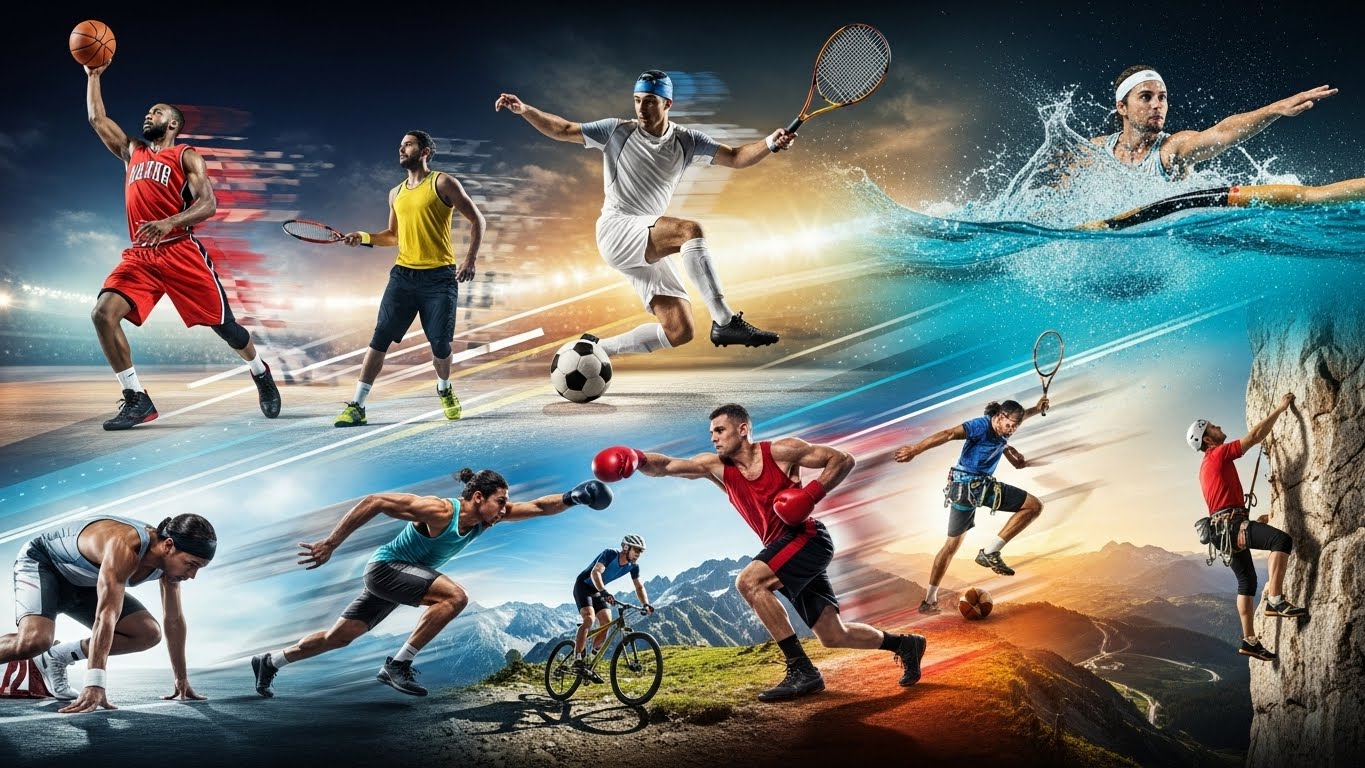
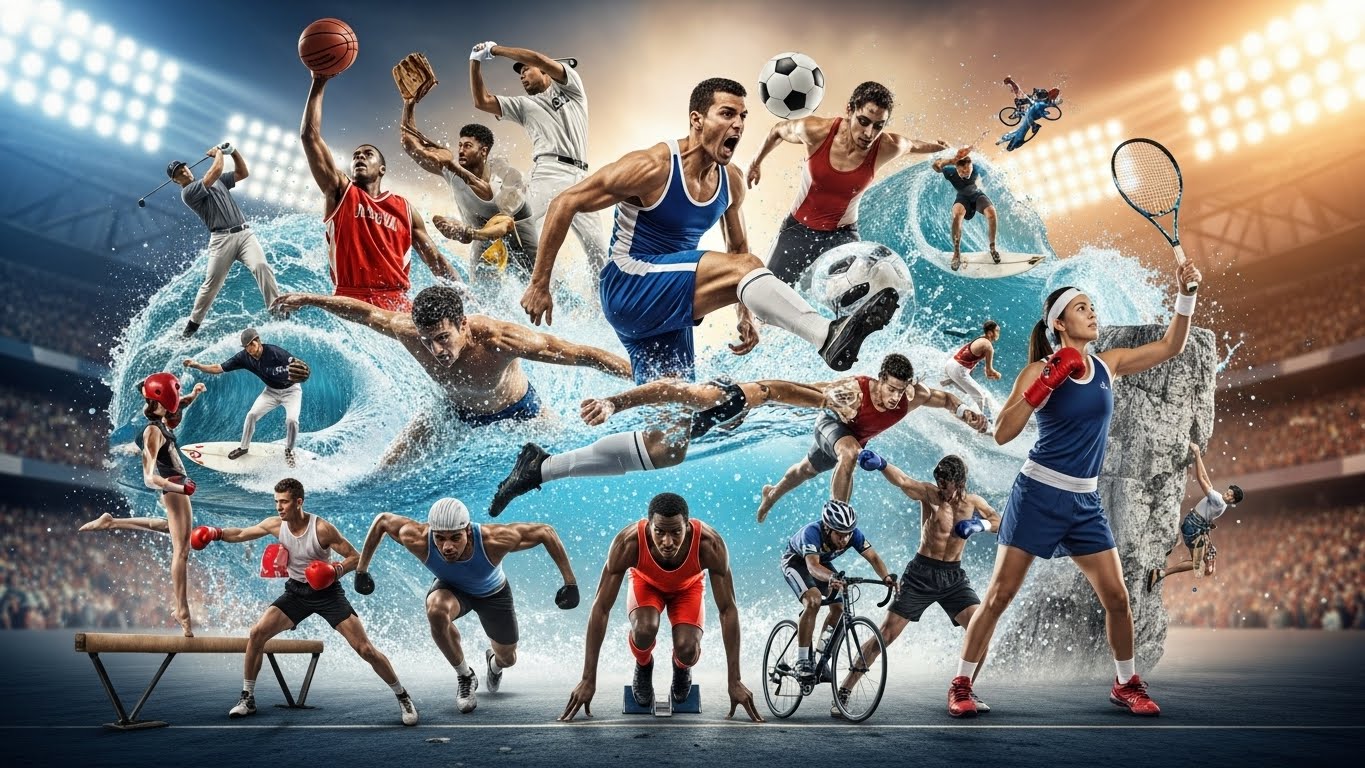
Sports have always been more than just physical activity. Across every culture and generation, they represent human ambition, perseverance, and the thrill of competition. From the streets of small towns to massive global arenas, sports connect people in ways that few other activities can. They teach lessons about teamwork, discipline, and resilience while providing entertainment and inspiration. Whether played professionally or recreationally, sports shape lives and communities, fostering personal growth and cultural identity. In this blog, we explore the multifaceted world of sports, their impact on individuals, society, and the future of human athletic pursuit.
The Origins of Sports and Their Evolution
The history of sports is deeply intertwined with human civilization. Ancient societies developed athletic competitions not only for entertainment but also as a way to train warriors and demonstrate strength. In Greece, the Olympic Games became a symbol of excellence, discipline, and honor, values that continue to influence sports today. Similarly, in other parts of the world, traditional games reflected societal values, rituals, and physical prowess. Over time, sports have evolved into structured competitions with global audiences, sophisticated rules, and professional athletes. This evolution illustrates the universal human desire for challenge, achievement, and connection through physical activity.
The Physical Benefits of Sports
At its core, sports improve physical health and overall well-being. Regular participation enhances cardiovascular fitness, builds strength and endurance, and promotes flexibility. Activities like swimming, running, and team sports not only maintain body health but also prevent lifestyle-related illnesses such as obesity, diabetes, and heart disease. Physical exercise stimulates the release of endorphins, which improve mood and reduce stress. Moreover, the discipline required for training encourages healthy lifestyle habits. Whether playing casually or professionally, the physical benefits of sports are undeniable, contributing to longer and healthier lives.
Sports as a Tool for Personal Development
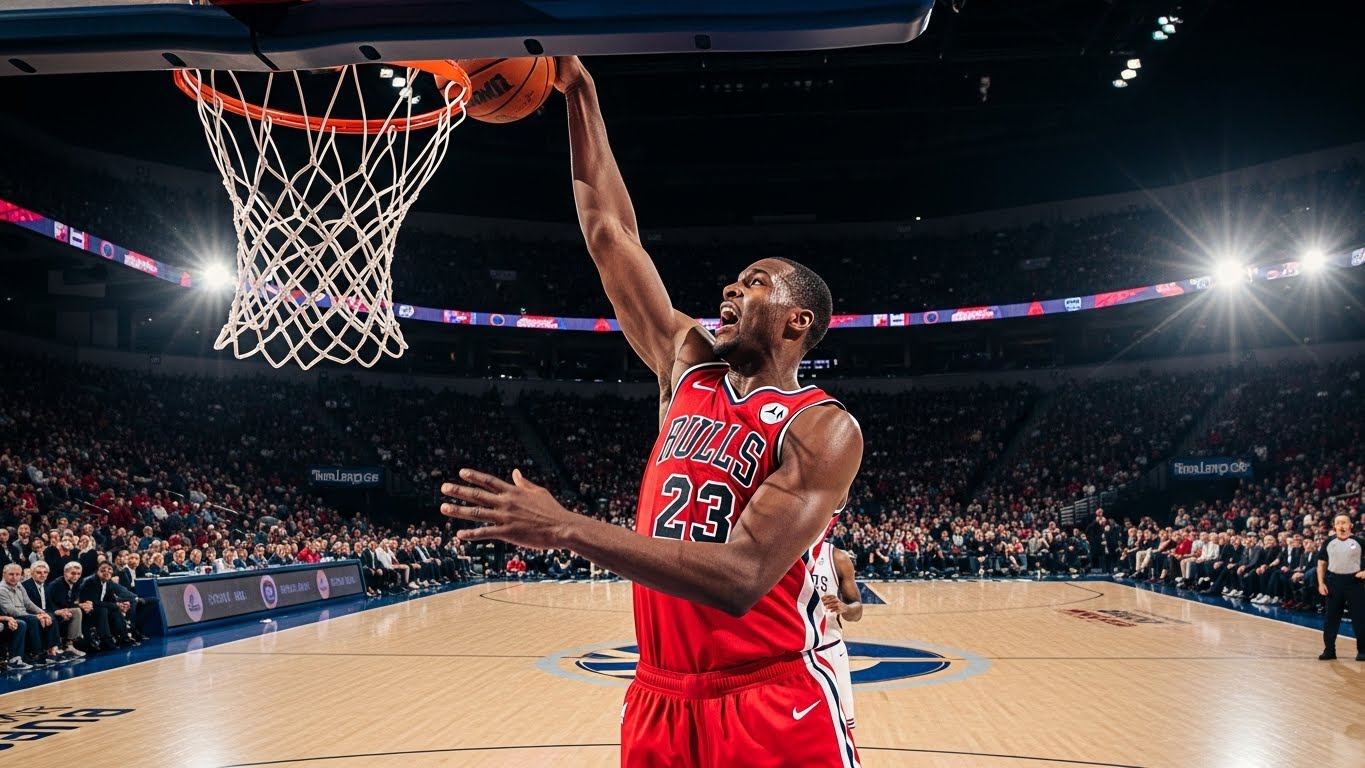
The lessons learned in sports extend far beyond the playing field. Participation fosters resilience, perseverance, and goal-setting. Athletes face victories and defeats, learning how to handle both with grace and maturity. Individual sports, such as tennis or swimming, teach self-reliance and focus, while team sports, like football or basketball, develop communication and collaboration skills. Children and young adults who engage in sports often perform better academically due to improved concentration and time management skills. In essence, sports are a training ground for life, shaping character and instilling values that last a lifetime.
The Social Impact of Sports
Sports have the power to unite people across social, cultural, and economic boundaries. Fans from diverse backgrounds come together to support their favorite teams, creating a shared sense of community and belonging. Major sporting events, such as international championships, foster national pride and global camaraderie. Sports also serve as a platform for social change. Initiatives promoting gender equality, inclusion of differently-abled athletes, and programs for underprivileged communities highlight how sports can address societal challenges. They inspire hope, encourage teamwork, and promote a collective spirit that transcends individual differences.
The Economic Influence of Sports
Sports are not only culturally significant but also economically powerful. Professional leagues, tournaments, and global events generate billions in revenue through ticket sales, merchandising, sponsorships, and broadcasting. Cities hosting major competitions benefit from tourism, infrastructure development, and employment opportunities. Sports also create opportunities for careers beyond athletes, including coaching, management, sports journalism, and fitness training. Investments in sports infrastructure and youth programs help cultivate talent, ensuring a continuous supply of skilled athletes and contributing to economic growth. In many ways, sports act as both a cultural and financial engine.
Technological Advancements Transforming Sports
Technology has revolutionized the way sports are played, watched, and analyzed. Modern equipment enhances athletic performance, while wearable devices monitor health metrics such as heart rate, stamina, and recovery. Video replay and artificial intelligence provide detailed analysis, helping athletes improve strategy and technique. For fans, streaming platforms, virtual reality experiences, and interactive apps offer unprecedented access to live games and statistics. These advancements ensure that sports are not just about physical ability but also about precision, preparation, and understanding, making the experience richer for both players and audiences.
The Psychological Benefits of Sports
Engaging in sports is crucial for mental health. Physical activity reduces stress, anxiety, and depression while boosting mood and cognitive function. Athletes often experience heightened focus, discipline, and resilience, qualities that positively affect their personal and professional lives. Team sports also enhance social interaction, helping individuals build friendships, improve communication skills, and feel a sense of belonging. For children and adolescents, sports provide a constructive outlet for energy, teaching patience, cooperation, and emotional regulation. The mental benefits of sports are profound, making participation essential for overall well-being.
Sports and Cultural Identity
Sports are often intertwined with cultural traditions and national pride. Local games, national teams, and traditional athletic events reflect a community’s values and heritage. National and international tournaments become opportunities to celebrate culture through rituals, songs, and fanfare. Iconic athletes often symbolize cultural identity, inspiring younger generations and serving as role models. Through sports, communities express unity, resilience, and collective spirit. They are a living reflection of culture, showing how games can be both entertainment and a means of preserving and celebrating heritage.
Challenges Facing the Sporting World
Despite its many benefits, sports face significant challenges. Doping, corruption, and unfair practices threaten integrity and fairness. The intense pressure on professional athletes can lead to physical injury, burnout, and mental health issues. Additionally, unequal access to sports facilities and opportunities limits participation for many, especially in disadvantaged regions. Overcoming these challenges requires strict regulations, ethical oversight, and an emphasis on inclusivity. Encouraging grassroots programs, promoting mental health awareness, and fostering fair play are essential to maintaining the positive impact of sports globally.
The Future of Sports
The future of sports promises innovation, inclusivity, and sustainability. Emerging trends include adaptive sports for differently-abled athletes, virtual competitions, and eco-friendly sporting events. Technology will continue to enhance performance, fan engagement, and data-driven decision-making. Globalization ensures that sports will remain a universal language, connecting diverse populations and promoting cultural exchange. As society evolves, sports will continue to inspire passion, foster community, and encourage individuals to strive for excellence, ensuring that the spirit of athleticism endures for generations to come.
Conclusion: The Enduring Power of Sports
Sports are far more than entertainment; they are a reflection of human spirit, ambition, and community. They shape individuals, strengthen societies, and foster cultural identity. From physical fitness to mental resilience, from economic growth to social unity, sports touch every facet of life. They inspire us to push our limits, celebrate achievements, and come together as communities. In every game played, every record set, and every fan cheering, the essence of sports—the drive to compete, improve, and connect—remains alive. Sports will continue to be a universal force, transforming lives and shaping the world for generations to come.