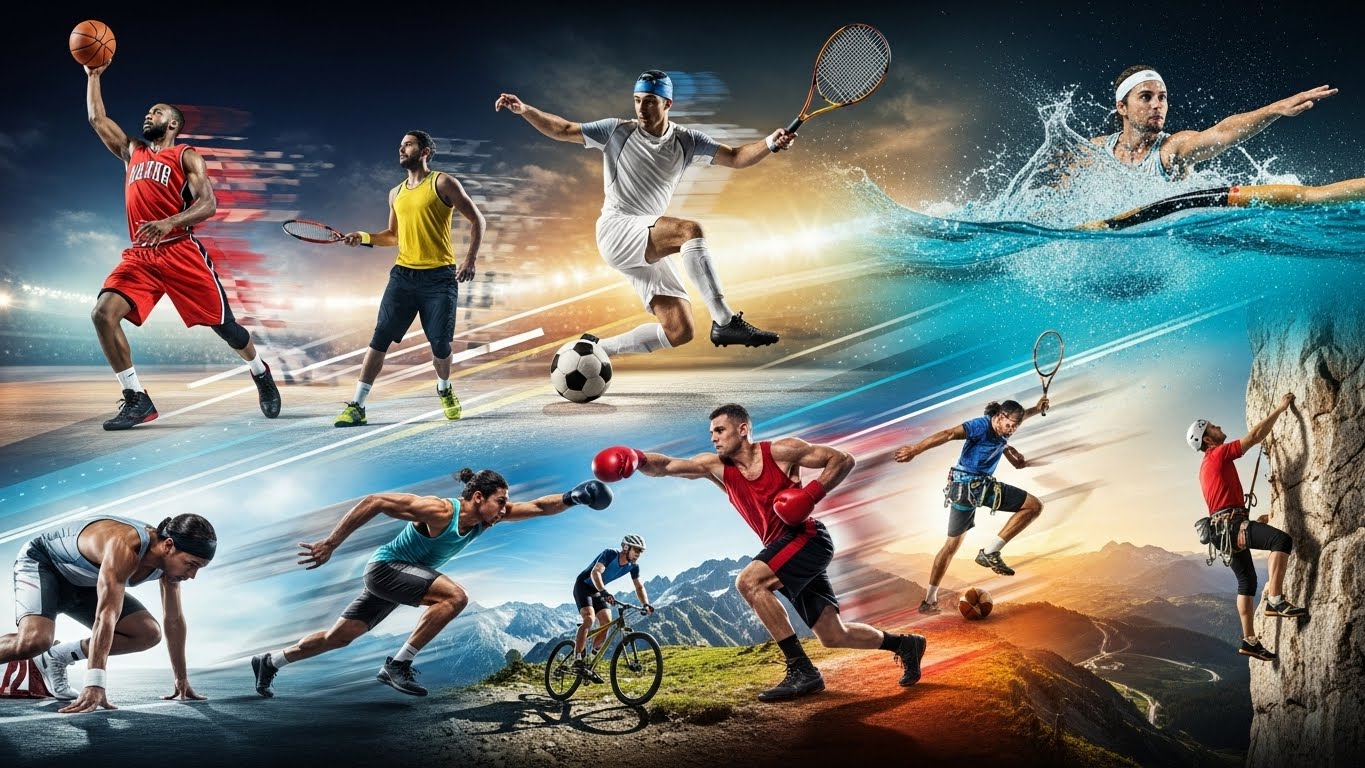

Sports have been a part of human civilization for thousands of years, with their origins dating back to ancient times. From the gladiatorial contests of Rome to the sophisticated global events like the Olympics, sports have evolved not only in the way they are played but also in how they are viewed and understood by society. Whether it’s a competitive match, a recreational activity, or a spectator sport, the essence of sports lies in the universal human desire for achievement, excitement, and camaraderie. In this blog post, we will explore the evolution of sports, looking at how they have shaped cultures, the role they play in modern society, and the future they might hold.
The Origins of Sports: Ancient Beginnings
The earliest records of sports can be traced to ancient civilizations. Sports in these societies were more than just forms of entertainment; they were essential aspects of cultural identity, religious practices, and military training.
Ancient Greece: Birthplace of Modern Sports
The ancient Greeks are often credited with laying the foundation for modern sports. The Olympic Games, first held in 776 BCE in Olympia, are perhaps the most significant legacy of Greek culture in the realm of sports. These early games were held in honor of Zeus, the king of the gods, and featured events like running, wrestling, and chariot racing. The Olympics represented more than just physical contests—they were a symbol of unity among Greek city-states and a way to demonstrate physical prowess and honor the gods.
Ancient Rome: The Gladiator Legacy
In ancient Rome, sports took a much darker turn with the introduction of gladiatorial combat. These bloody contests took place in grand amphitheaters, such as the Colosseum, where gladiators fought to the death for the entertainment of the masses. While not a sport in the modern sense, gladiator games were a form of spectacle that emphasized courage, strength, and survival. The Roman Empire’s focus on entertainment through violence set a precedent for how sports could be used to control and entertain the masses.
The Rise of Modern Sports: 18th to 19th Century
The concept of sports as we know them today truly began to take shape in the 18th and 19th centuries. This period saw the birth of many of the sports we still play today, including football, cricket, rugby, and tennis. The Industrial Revolution played a significant role in the rise of organized sports, as increased urbanization and technological advances allowed for greater leisure time and access to sporting events.
The Birth of Team Sports
Football (soccer), rugby, and cricket all began to emerge during the 19th century, with each sport having a distinct influence on the cultures where they developed. Football, for example, began in England as a way for schools to establish a set of rules to organize the game. Similarly, cricket became a symbol of British imperialism, played in colonies around the world, while rugby had its roots in public schools in England. The rise of these team sports highlighted the growing importance of structured competition and the social aspect of sports, where teamwork, strategy, and unity became central to the experience.
The Role of Women in Sports
While sports were initially dominated by men, the 19th century also saw the emergence of women in competitive sports. Though often relegated to more “ladylike” sports such as tennis and archery, women began to break barriers and participate in a broader range of athletic endeavors. In 1900, women were allowed to compete in the Olympics for the first time, marking a significant moment in the evolution of sports. Over time, women’s participation in sports has grown, with female athletes now competing at the highest levels across almost all disciplines.
The Commercialization of Sports: 20th Century and Beyond
The 20th century marked a significant turning point in the way sports were viewed and consumed. With the rise of mass media, especially television, sports became not just a pastime but a global business. The commercialization of sports has had both positive and negative effects, making sports accessible to millions while also transforming them into massive industries driven by sponsorship, television rights, and merchandising.
The Globalization of Sports
One of the most significant developments in the 20th century was the globalization of sports. With the advent of television and the internet, people across the world could watch sporting events in real-time, transcending geographical and cultural boundaries. Sports like football, basketball, and the Olympics grew in popularity, turning athletes into global icons and establishing sports leagues as multi-billion-dollar industries. The expansion of the FIFA World Cup, the NBA, and the Olympic Games to all corners of the globe has created a shared cultural experience for billions of people.
The Emergence of Sports Icons
The 20th century also saw the rise of legendary athletes who became global icons. From Muhammad Ali’s reign in boxing to Michael Jordan’s dominance in basketball, athletes began to represent more than just their respective sports. They became symbols of excellence, perseverance, and national pride. Their influence reached far beyond the arena, as they became involved in social and political issues, using their platform to advocate for change.
The Modern Impact of Sports: A Cultural Phenomenon
In the present day, sports are deeply intertwined with culture and society. They serve as a mirror of the times, reflecting the values, struggles, and triumphs of the communities in which they are played. From grassroots leagues to professional teams, sports impact individuals on a personal level, teaching lessons of teamwork, discipline, and resilience.
Sports and National Identity
In many parts of the world, sports are a key component of national identity. National teams often serve as a unifying force during international competitions, bringing people together to support a common cause. The World Cup, for example, is a celebration of not only football but also the pride and passion of entire nations. These events allow people to transcend their differences and come together to cheer for their shared love of the game.
Sports and Social Change
Sports have also played a significant role in social change. Athletes like Jackie Robinson, Billie Jean King, and Colin Kaepernick have used their platform to challenge societal norms and bring attention to important social issues such as racial inequality and gender discrimination. In this sense, sports have become a vehicle for activism, proving that the impact of sports extends far beyond the playing field.
The Future of Sports: Technology and Innovation
As we move into the 21st century, the future of sports looks increasingly driven by technology and innovation. From virtual reality training tools to the rise of esports, the landscape of sports is evolving rapidly. The integration of technology promises to enhance the way athletes train, the way fans experience events, and how sports are broadcasted globally.
The Role of Esports
Esports, or competitive video gaming, has exploded in popularity over the last decade. What was once a niche interest has now become a multi-billion-dollar industry, with tournaments drawing millions of viewers worldwide. Esports offers a unique blend of entertainment, skill, and technology, and is now recognized as a legitimate form of competition. The rise of esports has also prompted discussions about the future of traditional sports and their role in a digitally connected world.
Technology in Sports Performance
Advancements in sports science and technology are also shaping the future of athletics. Wearable devices that track an athlete’s heart rate, speed, and other vital statistics have revolutionized training techniques. Meanwhile, innovations like instant replay and video-assisted refereeing (VAR) are improving the accuracy and fairness of officiating in many sports. These developments promise to make sports more dynamic, precise, and engaging for both athletes and fans.
Conclusion: Sports as a Universal Language
Sports have come a long way since their humble beginnings in ancient civilizations. From being a means of physical training to becoming a global cultural phenomenon, sports have transcended borders, bringing people together in ways few other things can. They have played a key role in shaping societies, influencing social change, and even reflecting the evolving relationship between technology and culture. The future of sports, driven by innovation and technological advancement, holds exciting possibilities for the next generation of athletes and fans.
At its core, sports are more than just games—they are a reflection of our shared humanity, our values, and our aspirations. As long as people continue to play, watch, and cheer, sports will remain a powerful force that unites us all.