
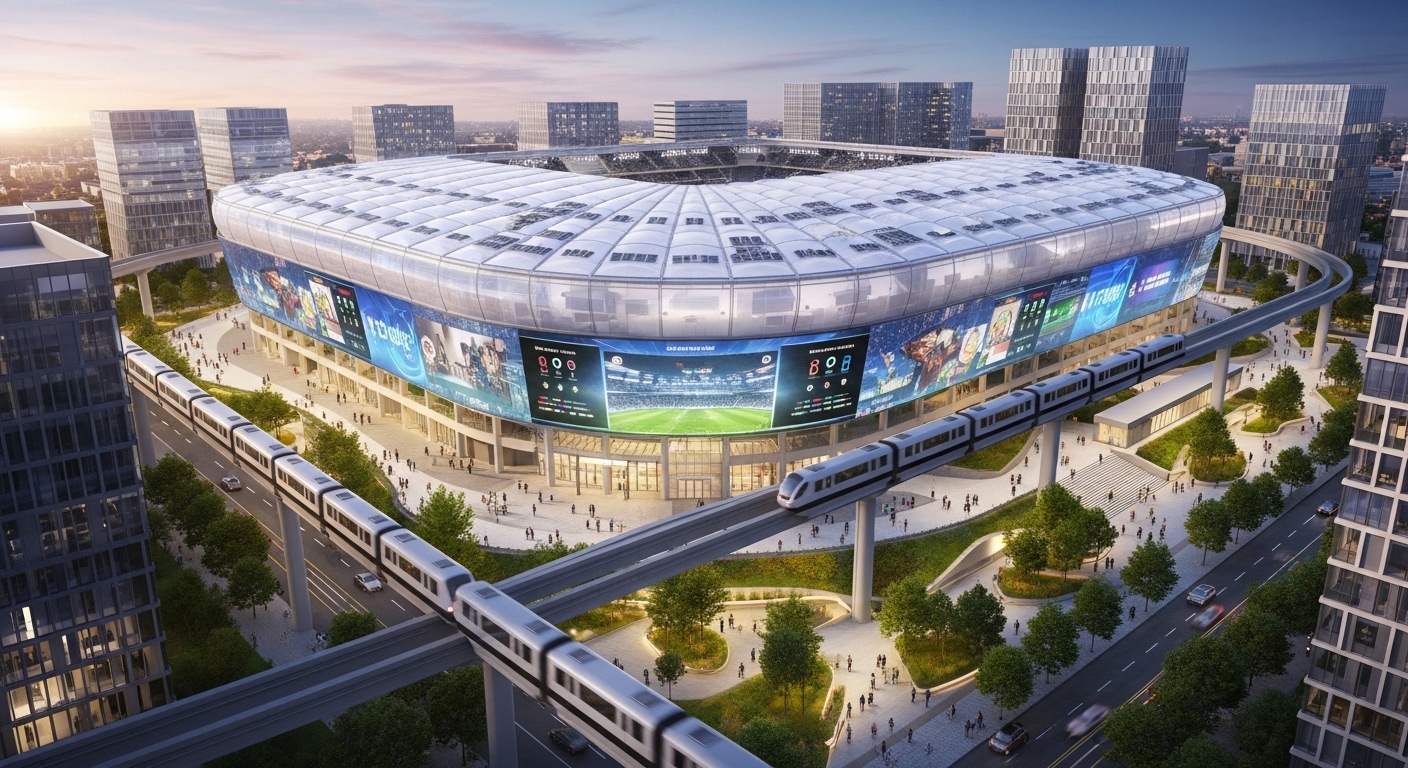
Sports have always been about more than the game itself. Fans flock to stadiums not only to watch athletes compete but also to experience the unique atmosphere of live events. The roar of the crowd, the sight of a last-minute goal, the drama of overtime—these are moments that make attending games special. Yet, in today’s world, fans expect more than just the thrill of live action. They want comfort, convenience, safety, and personalized engagement. Enter the era of smart stadiums, where cutting-edge technology is transforming the way fans, teams, and organizers interact with live sports.
Smart stadiums are not a distant dream but an evolving reality. They combine digital innovation with architectural design, data analytics, and fan-centric services to create immersive and efficient experiences. From contactless ticketing and cashless payments to augmented reality replays and AI-driven crowd management, the stadium of the future is becoming a living ecosystem of connectivity and intelligence. As technology advances, stadiums are no longer just venues but dynamic hubs of entertainment, sustainability, and innovation.
The Evolution from Traditional to Smart Stadiums
For decades, stadiums were simple structures: concrete bowls designed to seat as many fans as possible. Amenities were minimal, and the focus was almost entirely on the field or court. As fan expectations grew and technology developed, stadiums began to evolve. Big video screens, improved sound systems, and better seating comfort were early steps in the transformation.
The arrival of the internet and smartphones accelerated this change. Fans no longer wanted to disconnect from the digital world during games; they wanted to share experiences online, order food from their seats, and access replays instantly. Stadiums had to adapt, integrating Wi-Fi, mobile applications, and interactive services. This shift laid the foundation for the smart stadium era, where every aspect of the fan journey can be enhanced through technology.
Connectivity as the Backbone
At the heart of every smart stadium is connectivity. High-speed internet access is no longer a luxury but a necessity. Fans expect to post on social media, stream videos, and stay connected throughout the event. Modern smart stadiums deploy 5G networks, distributed antenna systems, and Wi-Fi 6 to provide seamless connectivity even when tens of thousands of fans are online at the same time.
But connectivity is not just for fans. Teams, broadcasters, and event managers rely on it as well. Coaches use real-time data to make decisions, broadcasters deliver multi-angle coverage, and stadium operators monitor everything from crowd density to concession stand demand. The digital infrastructure acts as the nervous system of the smart stadium, allowing all other innovations to function smoothly.
Personalized Fan Experiences
One of the defining features of smart stadiums is the ability to create highly personalized experiences for fans. Through mobile apps, wearable devices, and digital platforms, stadiums can tailor services to individual preferences. Imagine a fan arriving at the venue and receiving directions to the nearest parking spot, updates on merchandise discounts for their favorite team, and food recommendations based on past purchases.
Inside the stadium, augmented reality can transform the viewing experience. Fans can point their phones at the field to see live statistics, player profiles, or instant replays overlaid on their screens. Some stadiums are experimenting with immersive virtual reality zones, where fans can relive iconic moments or watch the game from a player’s perspective.
Personalization extends beyond entertainment. For families, apps can help locate restrooms with shorter lines or child-friendly amenities. For premium ticket holders, exclusive access to lounges, customized menus, and concierge services can be seamlessly integrated into their digital profiles. The result is an environment where every fan feels valued and catered to.
The Role of Artificial Intelligence and Big Data
Artificial intelligence is rapidly becoming a game-changer in smart stadiums. By analyzing massive amounts of data, AI can optimize operations and improve fan engagement. For example, predictive analytics can forecast crowd flow, helping operators deploy staff where they are most needed. AI can also analyze purchase trends to ensure that popular food and beverage items never run out.
On the fan side, AI-powered chatbots within stadium apps can answer questions instantly, from directions to seating to event schedules. Advanced systems can even recognize fan behavior patterns, offering targeted promotions or suggesting new experiences.
Teams also benefit from AI within smart stadium ecosystems. Real-time data on player performance, health, and strategy can be collected and analyzed on-site. This integration of sports analytics within the stadium itself enhances both coaching decisions and fan engagement, as spectators gain access to richer insights about the game.
Sustainability in Smart Stadiums
The future of stadiums is not only about technology but also about sustainability. As large-scale facilities, stadiums consume massive amounts of energy and produce significant waste. Smart stadiums aim to reduce their environmental footprint through green design and eco-friendly practices.
Solar panels, wind turbines, and energy-efficient lighting systems are increasingly being integrated into new stadiums. Rainwater harvesting and smart irrigation systems reduce water usage, while advanced recycling programs minimize waste. Smart climate control systems ensure that energy is used efficiently, adjusting lighting, heating, and cooling based on real-time occupancy.
For fans, sustainability is also part of the experience. Digital ticketing reduces paper waste, and cashless systems limit the need for physical currency. Electric vehicle charging stations in stadium parking lots encourage eco-friendly transportation. Together, these initiatives make stadiums not only smarter but also greener, aligning with global sustainability goals.
Safety and Security Innovations
Safety has always been a priority in stadium design, but smart technology is taking it to a new level. With tens of thousands of people gathering in one place, ensuring crowd control and security is critical.
Facial recognition systems, smart surveillance cameras, and AI-driven monitoring tools can detect unusual behavior and alert security staff in real time. Biometric ticketing helps prevent fraud and speeds up entry, reducing bottlenecks at gates. Drones are being tested for aerial surveillance, providing a comprehensive view of crowd movements.
Health and safety have also gained new importance in the post-pandemic era. Smart stadiums can monitor air quality, control crowd density, and implement contactless solutions for ticketing, payments, and even restroom access. These innovations create an environment where fans feel secure and comfortable, enhancing the overall experience.
The Rise of Cashless and Contactless Systems
The smart stadium experience is increasingly defined by cashless and contactless solutions. Fans no longer want to wait in long lines to buy food, drinks, or merchandise. With mobile payments, RFID wristbands, or facial recognition systems, transactions can be completed within seconds.
Concessions are becoming smarter as well. Some stadiums are experimenting with “grab and go” systems, where fans can pick up items from shelves and leave without waiting in line, as sensors and AI automatically charge their accounts. This not only speeds up service but also increases revenue opportunities for vendors.
Contactless technology extends to ticketing and access control. Digital tickets stored on smartphones or wearable devices streamline entry and reduce the risk of counterfeit tickets. Fans appreciate the convenience, while stadiums benefit from enhanced security and efficiency.
Smart Seating and Viewing Enhancements
Seating is no longer just about location; it is about experience. Smart stadiums are introducing interactive seating features, such as screens embedded in armrests that allow fans to order food, watch replays, or view player stats without leaving their seats.
Advanced sound and lighting systems enhance the atmosphere, creating immersive environments that amplify excitement. Some venues are experimenting with haptic technology, where vibrations in seats simulate the impact of big plays, adding another sensory layer to the game-day experience.
Even the design of seating areas is being reimagined. Modular and flexible seating allows stadiums to adapt to different events, from football games to concerts to esports tournaments. This adaptability ensures that the stadium remains relevant and profitable year-round.
Esports and the Expansion of Entertainment
Smart stadiums are not limited to traditional sports. The rapid rise of esports has created demand for venues capable of hosting gaming tournaments, which often attract massive audiences. Forward-thinking stadiums are integrating spaces designed for esports, complete with high-speed connectivity, specialized lighting, and modular seating.
Beyond sports and gaming, smart stadiums are becoming multipurpose entertainment hubs. Concerts, festivals, and cultural events can all benefit from the advanced technology and infrastructure. By diversifying their use, stadiums maximize revenue streams and provide communities with vibrant gathering spaces.
The Global Push Toward Smart Stadiums
Around the world, smart stadium projects are already reshaping the fan experience. In the United States, venues like SoFi Stadium in Los Angeles and Allegiant Stadium in Las Vegas showcase cutting-edge connectivity, massive video displays, and fan-friendly services. In Europe, Tottenham Hotspur Stadium in London has set new standards for design and versatility. In Asia and the Middle East, stadiums built for global events like the FIFA World Cup have incorporated advanced sustainability features and smart technology.
These venues are not just impressive in scale but also in their ability to adapt. They set the standard for the future, demonstrating how technology, design, and fan engagement can converge to create unforgettable experiences.
Looking Ahead: What Will Smart Stadiums Become?
The future of smart stadiums holds limitless possibilities. As artificial intelligence, virtual reality, and the Internet of Things continue to evolve, stadiums will become even more interactive and immersive. Fans may one day wear AR glasses that deliver real-time information during the game, or use holograms to interact with players and coaches.
Sustainability will become even more central, with stadiums striving for carbon neutrality and integrating renewable energy sources. Autonomous vehicles may deliver fans directly to their seats, while drones deliver food and beverages on demand. Data will continue to drive personalization, ensuring that no two fan experiences are ever the same.
Ultimately, the stadium of the future will be more than just a place to watch sports. It will be a connected ecosystem that blends entertainment, technology, sustainability, and community. For fans, it means richer experiences. For teams and organizers, it means greater efficiency and profitability. For society, it means venues that inspire, innovate, and bring people together like never before.
Conclusion
The future of smart stadiums is a story of innovation and possibility. What began as simple structures for seating fans has evolved into sophisticated hubs of technology and engagement. Connectivity, personalization, sustainability, safety, and immersive experiences are redefining what it means to attend a live event.
Fans no longer go to stadiums only to watch games; they go to be part of an integrated, interactive world where technology enhances every moment. As smart stadiums continue to evolve, they promise to make live sports and entertainment more exciting, more inclusive, and more sustainable. The journey has only just begun, but one thing is certain: the stadium of the future will not just host events—it will create experiences that fans will never forget.