Introduction: Why Sports Matter
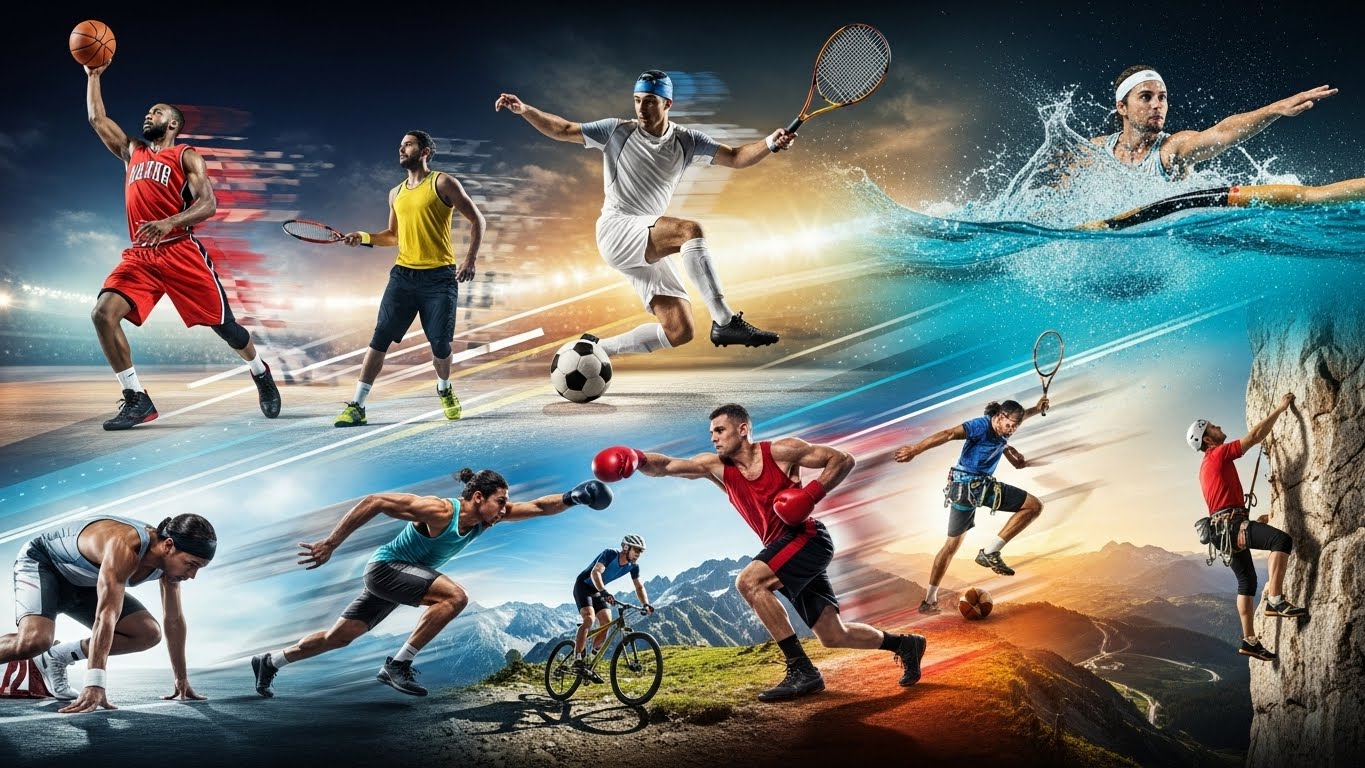
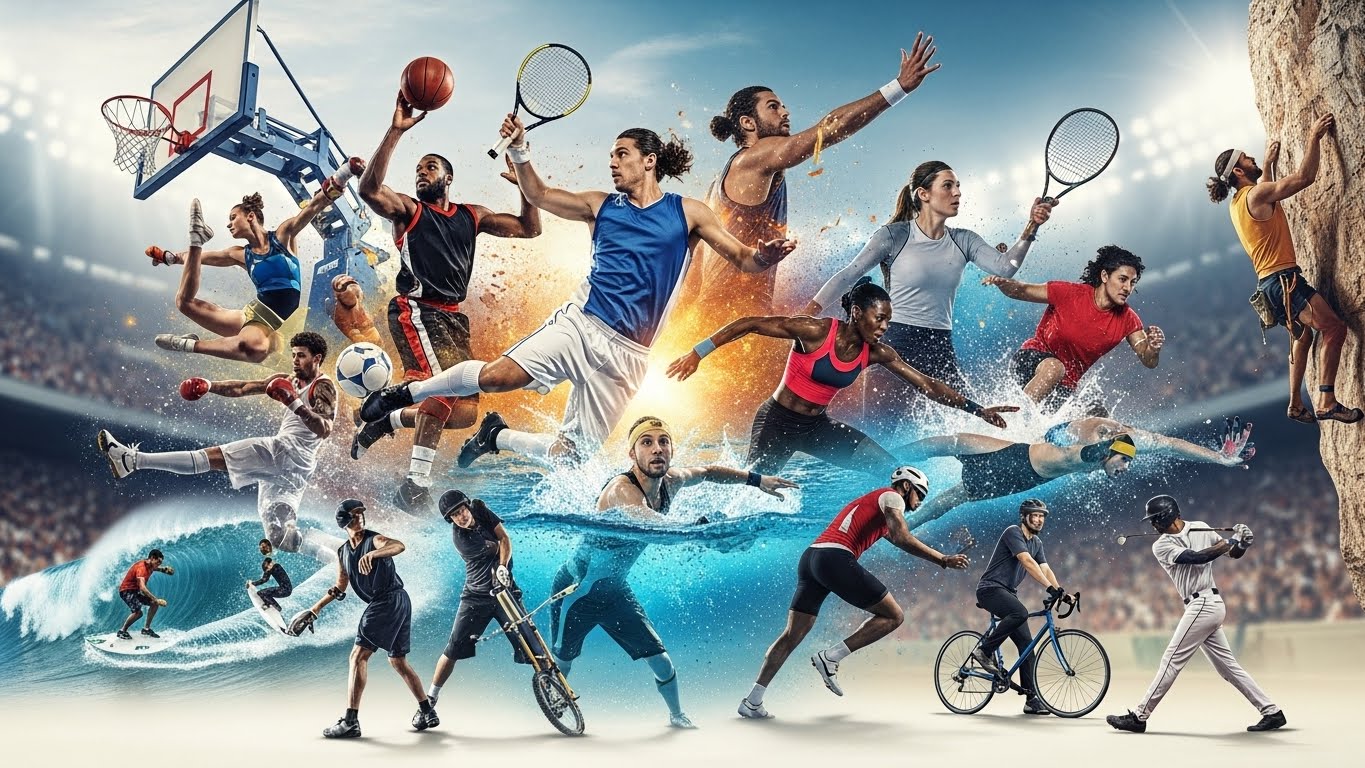
Sports have always been more than games. They are a reflection of human ambition, resilience, and creativity. Across every culture and era, sports have shaped societies, inspired communities, and pushed the boundaries of what the human body and mind can achieve. Whether it is the thrill of a stadium filled with cheering fans or the quiet dedication of an athlete training alone, sports touch lives in profound ways. They entertain, educate, and unite people, making them an essential part of modern life. This blog will explore the multiple dimensions of sports, from physical benefits and emotional impact to societal influence and future innovations.
The Evolution of Sports
Sports have evolved significantly over centuries. In ancient civilizations, athletic competitions were closely tied to rituals, physical training, and cultural identity. The Olympic Games in Greece, for instance, celebrated physical prowess while promoting unity among city-states. Over time, informal local games transformed into structured competitions with standardized rules, leagues, and professional organizations. Today, sports span a wide spectrum, from traditional games rooted in culture to modern innovations like esports, reflecting a global interest in competition, skill, and strategy.
Physical Benefits of Sports
One of the most apparent advantages of engaging in sports is physical health. Regular activity improves cardiovascular health, strengthens muscles, and enhances flexibility and coordination. Sports like running, swimming, and cycling build endurance, while team sports such as basketball and soccer improve agility, balance, and reflexes. Beyond fitness, sports teach individuals to listen to their bodies, recognize limits, and push beyond them safely. The physical discipline developed through consistent training translates into healthier lifestyles and long-term wellness.
Mental and Emotional Benefits
While the physical advantages of sports are well-known, their mental and emotional benefits are equally important. Participating in sports enhances concentration, strategic thinking, and problem-solving skills. Athletes often develop resilience and adaptability, learning to handle both victories and setbacks gracefully. Sports can also be a therapeutic outlet, helping individuals reduce stress, overcome anxiety, and build self-confidence. The mental discipline cultivated on the field or court frequently extends into everyday life, contributing to personal growth and emotional intelligence.
The Importance of Teamwork
Sports provide a powerful platform for learning teamwork. In team-based activities, success depends on coordination, communication, and trust. Players learn to rely on one another, share responsibilities, and work toward a common goal. Even individual sports involve collaboration with coaches, trainers, and support staff, emphasizing the value of guidance, mentorship, and community. These lessons in cooperation and leadership translate into real-life skills, preparing individuals to thrive in collaborative environments beyond sports.
Sports as a Cultural Phenomenon
Sports have always reflected and shaped culture. National and international competitions evoke pride and foster unity among communities. Traditional sports preserve cultural heritage, while global events like the World Cup and the Olympics connect audiences worldwide. Athletes often become cultural icons, influencing fashion, social trends, and even political movements. Sports serve as a mirror to society, highlighting values such as fairness, discipline, and perseverance, while simultaneously inspiring collective identity and shared experiences.
The Role of Technology in Sports
Technology has revolutionized sports in multiple ways. Modern athletes benefit from advanced training equipment, performance tracking devices, and detailed analytics that enhance skills and reduce injury risks. Video replay, virtual coaching, and biomechanical analysis provide insights that were previously impossible. On the spectator side, broadcasting technology delivers high-definition coverage, instant replays, and immersive experiences that make watching sports more engaging than ever. Emerging technologies such as virtual reality and augmented reality are poised to create even more interactive experiences, bridging the gap between players and fans.
Economic Impact of Sports
Sports are a significant economic force, generating revenue through professional leagues, merchandise, sponsorships, and media rights. Major tournaments attract tourism, boost local businesses, and stimulate infrastructure development. The sports industry also provides jobs for athletes, coaches, referees, medical professionals, and event organizers. Beyond economics, sports foster social development by supporting youth programs, promoting education, and encouraging community engagement. The financial impact of sports is vast, but its societal contributions are equally meaningful, strengthening communities and connecting people.
Women in Sports
The rise of women in sports has redefined athletic culture and representation. Female athletes now compete at elite levels, breaking records, challenging stereotypes, and inspiring new generations. Sports for women have grown in visibility, funding, and professional opportunities, emphasizing equality and empowerment. Female athletes serve as role models, demonstrating that skill, determination, and resilience are universal qualities. This evolution promotes inclusivity and encourages more young girls to participate in sports, creating a more diverse and dynamic athletic world.
Sports and Youth Development
Sports play a crucial role in shaping young minds and bodies. Participation in sports fosters discipline, goal-setting, and leadership skills. Children and teenagers learn to handle both success and failure, develop social skills, and gain confidence. Organized sports programs provide a structured environment for physical activity, teamwork, and character development. By engaging youth in sports, communities nurture healthy, responsible, and motivated individuals who carry these values into adulthood.
The Thrill of Spectatorship
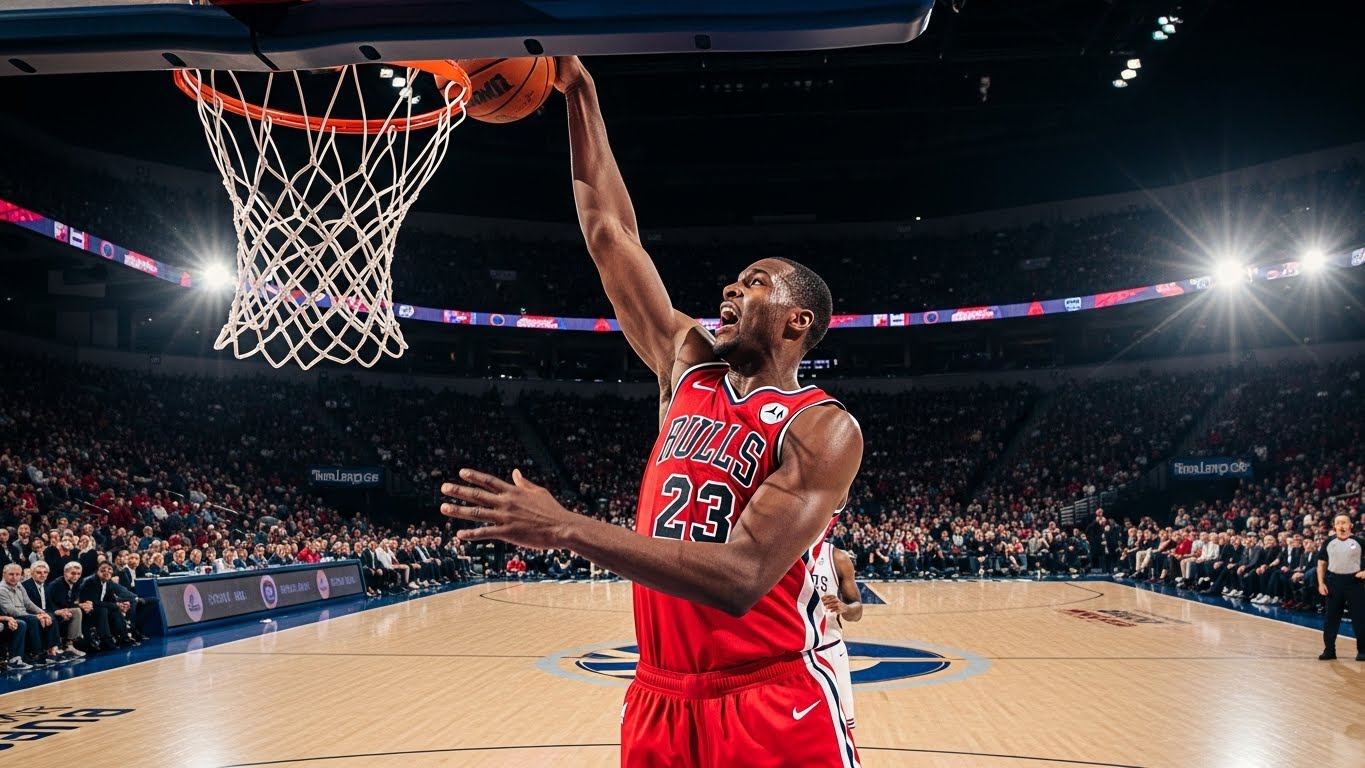
Watching sports is a unique emotional experience. Fans share excitement, tension, and joy, creating a sense of community and belonging. Major sporting events inspire collective pride, whether on a local, national, or international level. Spectatorship also encourages passion, storytelling, and cultural engagement, making sports not just a personal experience but a shared social phenomenon. The emotional connection between athletes and fans highlights the profound role sports play in human interaction and cultural expression.
Sports and Health Innovation
Athletics have driven advancements in medicine, nutrition, and fitness. Research in sports science improves training methods, injury prevention, and rehabilitation techniques. Insights gained from professional athletes often influence public health, shaping exercise routines and wellness strategies for the general population. Sports innovation continually expands understanding of human performance, inspiring better health practices and advancing scientific knowledge about the body and mind.
The Future of Sports
The future of sports promises innovation, inclusivity, and global connection. Emerging technologies like artificial intelligence, virtual reality, and wearable sensors will enhance training, performance, and fan engagement. Adaptive sports will provide opportunities for individuals with disabilities, emphasizing accessibility and equality. Global collaboration and media platforms will continue to bring new sports and athletes into the spotlight, creating richer experiences for audiences. Despite technological advancements, the core of sports—competition, teamwork, and human perseverance—will remain constant.
Conclusion: Sports as a Reflection of Humanity
Sports are a celebration of human potential, culture, and emotion. They teach discipline, resilience, teamwork, and leadership while inspiring communities and shaping identities. Beyond entertainment, sports influence physical health, mental strength, and social cohesion. They unite diverse populations, foster personal growth, and push the limits of what humans can achieve. In every game, match, and competition, sports reflect the best of human ambition, reminding us why they remain an enduring and essential part of life.