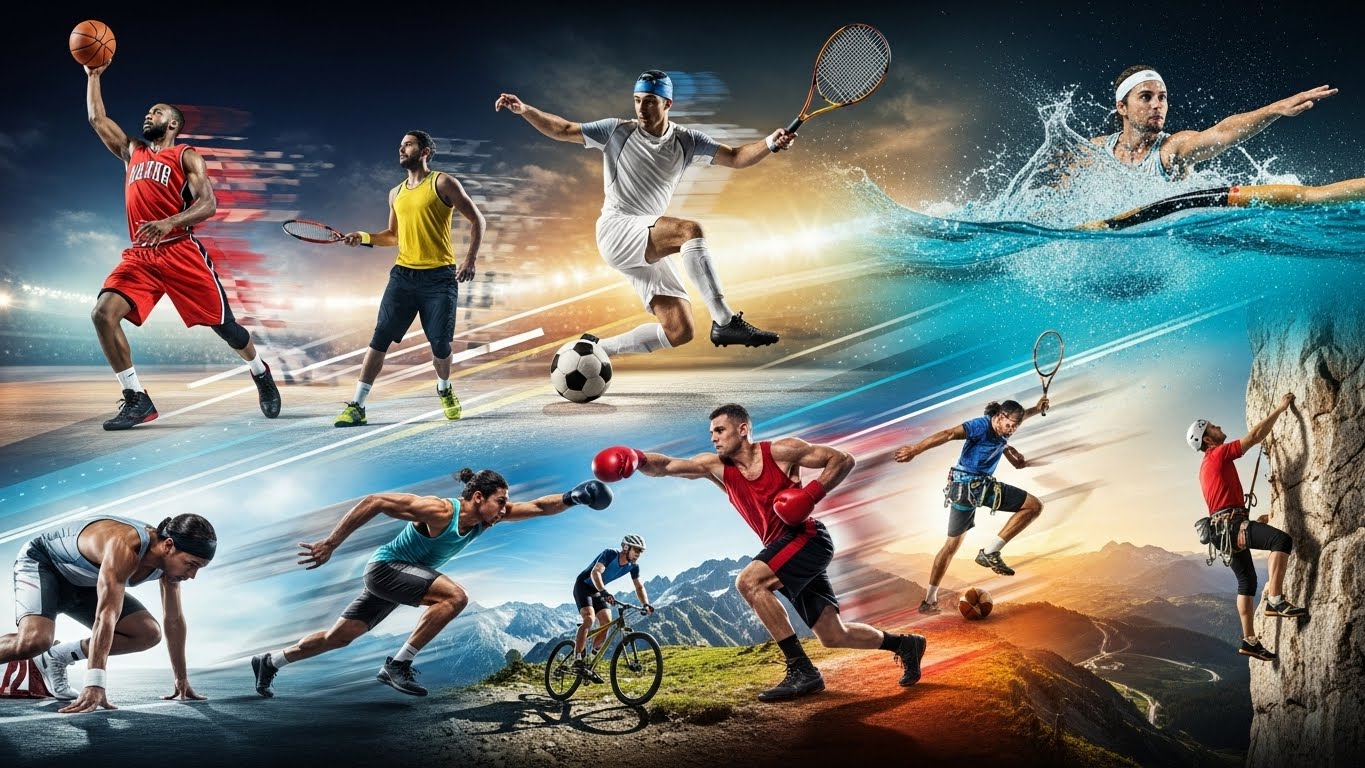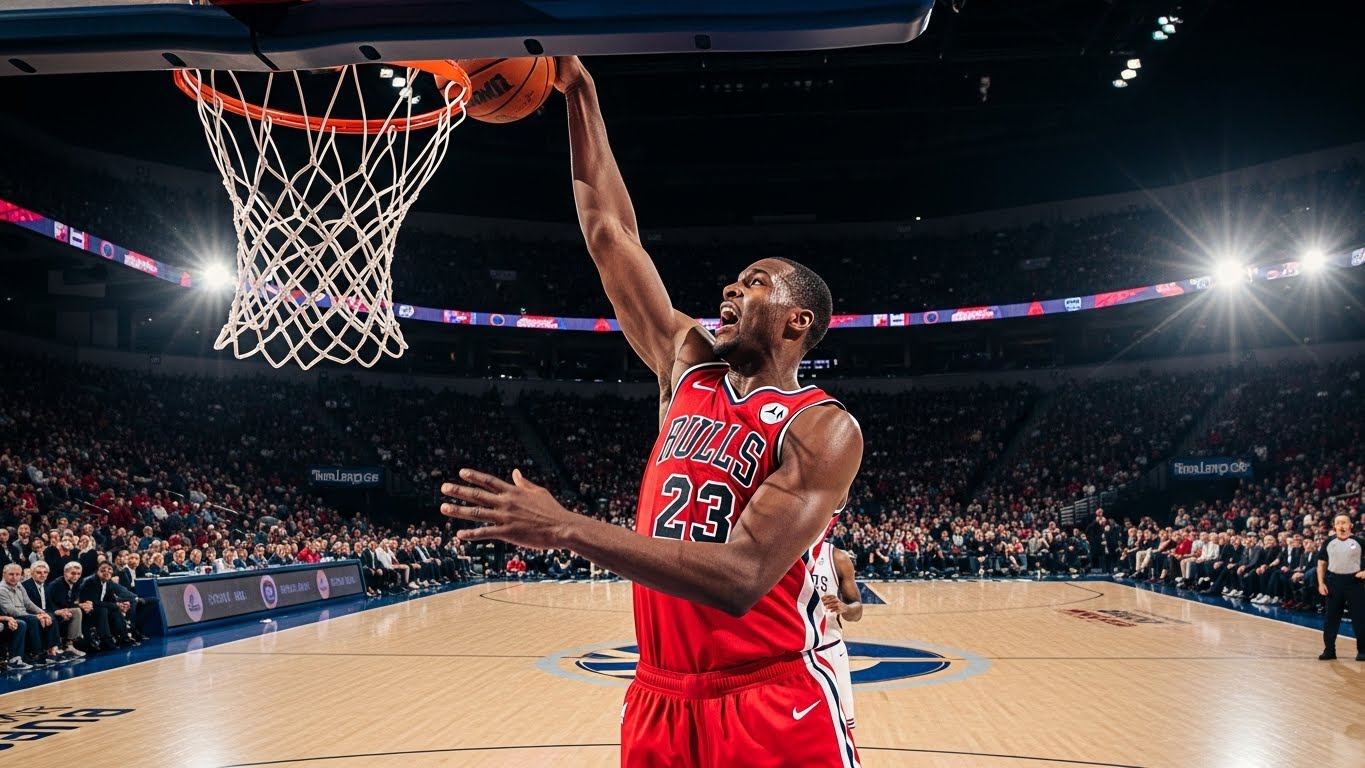

Sports have always held a special place in human society. From the ancient Olympic Games to modern-day World Cups and Super Bowls, sports have transcended geographic, cultural, and linguistic boundaries. For millions, sports are not just games but a way of life— a source of pride, passion, and unity. They bring people together, offer a sense of belonging, and give individuals the opportunity to push their physical and mental limits.
Beyond the field or arena, sports have the power to shape communities, influence cultures, and drive social change. Whether it’s the thrill of a last-minute goal or the inspirational story of an athlete overcoming adversity, sports connect us in ways that few other things can. This blog will explore the enduring appeal of sports, their cultural significance, the impact they have on society, and the evolving nature of the sports world in the 21st century.
The Universal Appeal of Sports
One of the most remarkable aspects of sports is their universal appeal. No matter where you are in the world, sports can act as a common language. Whether it’s soccer in Brazil, cricket in India, or basketball in the United States, sports serve as a medium through which people from different walks of life can come together to share experiences and emotions.
The global nature of sports allows individuals to bond over shared interests, whether it’s supporting a local team or following international competitions. Major sporting events, such as the FIFA World Cup, the Summer and Winter Olympics, and the Tour de France, unite people from every corner of the globe. These events transcend nationalities and political divisions, offering a brief moment of unity amidst the challenges that often separate us.
Moreover, sports are inclusive by nature. They cater to people of all ages, backgrounds, and abilities. From amateur athletes in local leagues to professional players in world-class competitions, sports provide opportunities for everyone to participate. The values of teamwork, fair play, and competition foster a sense of camaraderie and mutual respect, transcending differences and promoting inclusivity.
Sports as a Cultural Force
Sports have a profound cultural impact. They shape identities, reflect societal values, and influence the way we see the world. In many ways, sports are a mirror of society. The stories of athletes and teams, their struggles, triumphs, and failures, often reflect the challenges and aspirations of the broader community.
Take, for instance, the role that sports play in national identity. The performance of a national team in global competitions can unite a country in a way that few other events can. Think of the national pride experienced by Argentina during their 2022 FIFA World Cup victory, or the sense of unity in the United States during the 1980 “Miracle on Ice” when the U.S. men’s ice hockey team defeated the Soviet Union in the Winter Olympics. In these moments, sports become much more than just a game; they become a symbol of national pride and unity.
Sports also act as a platform for cultural expression. For example, the traditional dances and rituals performed by athletes before competitions—such as the Haka in rugby or the Siva Tau in American Samoa—represent deep cultural meanings that are not just about the game itself but about heritage, tradition, and identity.
Moreover, sports have played a pivotal role in social movements and challenging societal norms. Throughout history, athletes have used their platforms to raise awareness about racial inequality, gender discrimination, and social justice issues. One of the most iconic moments in this regard is the raised fist salute by Tommie Smith and John Carlos at the 1968 Olympic Games, a powerful protest against racial injustice in the United States. More recently, athletes like Colin Kaepernick have used their visibility to advocate for racial equality and police reform, sparking conversations about the intersection of sports and activism.
The Physical and Mental Benefits of Sports
While the cultural and societal impact of sports is undeniable, the personal benefits—both physical and mental—are just as significant. On a physiological level, sports help individuals improve cardiovascular health, enhance strength, and boost endurance. The physical demands of sports encourage people to maintain healthy lifestyles, which can reduce the risk of chronic diseases like heart disease, diabetes, and obesity.
Additionally, sports contribute to mental well-being. Regular physical activity is known to release endorphins, which are chemicals in the brain that promote feelings of happiness and reduce stress. The discipline required for training and the camaraderie of being part of a team also foster resilience, perseverance, and mental toughness.
Participation in sports can also improve cognitive function. Studies have shown that athletes tend to have better memory, focus, and decision-making skills. For young people, sports can foster life skills such as leadership, time management, and problem-solving. These skills are transferable to other areas of life, including education, work, and personal relationships.
The emotional benefits of sports are also significant. Competing in sports can teach valuable lessons about dealing with failure and success. The highs of winning a championship or achieving a personal best are often accompanied by the lows of losing, but both experiences offer opportunities for personal growth. The camaraderie that comes with being part of a team, or the sense of accomplishment in individual sports, also fosters a strong sense of self-worth and confidence.
The Business of Sports
In addition to being a source of entertainment, sports have evolved into a massive industry. From professional leagues and franchises to sponsorships and merchandising, sports are big business. The global sports industry is worth hundreds of billions of dollars, with revenues generated from ticket sales, broadcasting rights, sponsorships, and merchandise sales.
The commercial aspect of sports has led to the rise of professional leagues like the National Football League (NFL), Major League Baseball (MLB), and the National Basketball Association (NBA) in the United States, as well as international leagues such as the English Premier League (EPL) and La Liga in Spain. These leagues not only provide high-paying careers for athletes but also create jobs for coaches, medical staff, media professionals, marketers, and other workers within the sports ecosystem.
Broadcasting rights are one of the most significant revenue streams in sports. Television networks and streaming platforms pay billions of dollars for the right to broadcast games and tournaments, which has led to the increasing commercialization of sports events. This has also led to a shift in the way fans consume sports. With the rise of streaming services and digital platforms, fans can now watch games on their phones, tablets, and computers, making sports more accessible than ever before.
Sponsorships are another vital aspect of the business side of sports. Companies are willing to pay large sums to associate their brands with popular athletes and teams. Sponsorship deals not only provide financial support for athletes but also influence how sports are marketed and consumed.
The Evolution of Sports in the Digital Age
The sports industry has undergone a major transformation in the digital age. The rise of social media, streaming platforms, and virtual reality has revolutionized the way fans engage with sports. In the past, fans were limited to watching games on TV or attending live events. Today, social media platforms like Twitter, Instagram, and TikTok provide fans with real-time updates, behind-the-scenes content, and direct interaction with athletes.
The shift towards digital media has also led to the rise of eSports, or competitive video gaming. What began as a niche subculture has grown into a billion-dollar industry with millions of fans worldwide. eSports events are now streamed live on platforms like Twitch and YouTube, and major tournaments draw thousands of spectators both online and in person. In many ways, eSports represents the future of sports, where the boundaries between traditional and digital entertainment continue to blur.
Additionally, advancements in technology have transformed how sports are played and consumed. The introduction of technologies like the Video Assistant Referee (VAR) in soccer and Hawk-Eye in tennis has changed how decisions are made during games, improving fairness and accuracy. Wearable devices that track athletes’ biometrics are becoming more common, helping athletes optimize their performance and reduce the risk of injury.
The Social Impact of Sports: Promoting Unity and Social Change
Beyond the personal and cultural benefits, sports play a crucial role in fostering social change. Historically, sports have been a platform for challenging societal norms and fighting for equality. The participation of women in sports, for example, has dramatically increased over the past few decades, and female athletes now enjoy more visibility and recognition than ever before. The 1999 Women’s World Cup, where the U.S. women’s soccer team triumphed, was a watershed moment in the push for gender equality in sports.
Sports also provide a platform for promoting inclusivity and diversity. Initiatives like the Special Olympics, which brings together athletes with intellectual disabilities, showcase the power of sports to break down barriers and build communities. Additionally, initiatives such as “Kick It Out” in English football work to tackle racism and discrimination, using sports as a platform to promote social justice and equality.
In this way, sports have the potential to act as a force for good, using their global platform to address pressing social issues and promote positive change.
Conclusion: The Future of Sports
The world of sports is constantly evolving, driven by technological advances, cultural shifts, and the passion of fans and athletes alike. What remains unchanged is the profound impact sports have on individuals, communities, and societies as a whole. As sports continue to grow in popularity, influence, and importance, they will remain a powerful force for unity, inspiration, and change.
In a world often divided by politics, culture, and geography, sports offer a common ground. They remind us of the importance of teamwork, perseverance, and the pursuit of excellence. As we look to the future, sports will undoubtedly continue to play a central role in shaping the world around us, offering a source of joy, inspiration, and hope for generations to come.