Introduction
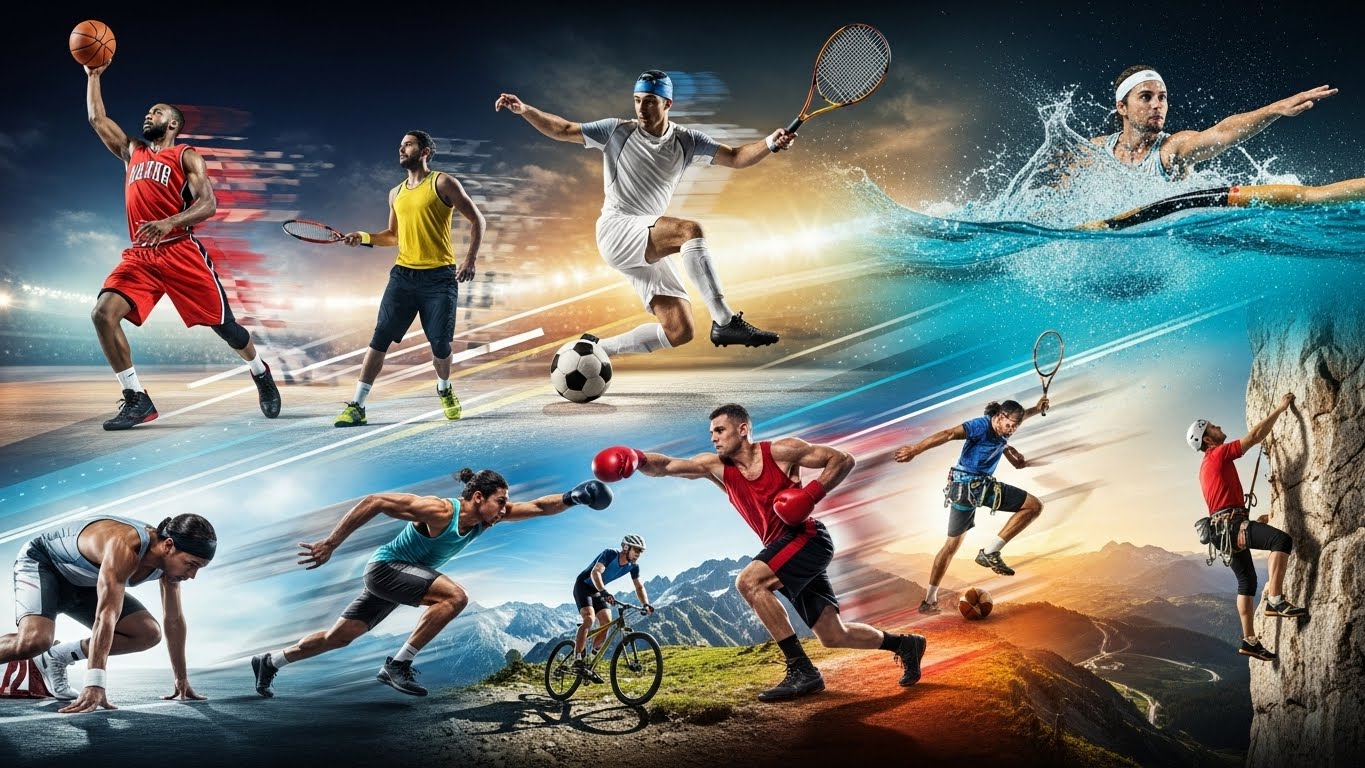
Sports have been an integral part of human society for centuries, transcending cultures, borders, and generations. From ancient Olympic games to modern international competitions, sports have evolved into more than just physical contests—they are a reflection of human ambition, discipline, and teamwork. Sports entertain, inspire, and challenge individuals while fostering connections across communities. Beyond the physical aspect, they contribute to mental development, cultural identity, and social cohesion. This blog explores the multifaceted world of sports, examining its history, benefits, cultural impact, and the role it plays in shaping our lives.
The History and Evolution of Sports
The history of sports dates back thousands of years. Early humans engaged in physical activities such as running, hunting, and wrestling, which not only honed survival skills but also served as forms of recreation. Ancient civilizations, including the Greeks, Egyptians, and Chinese, organized competitive games to showcase strength, skill, and strategy.
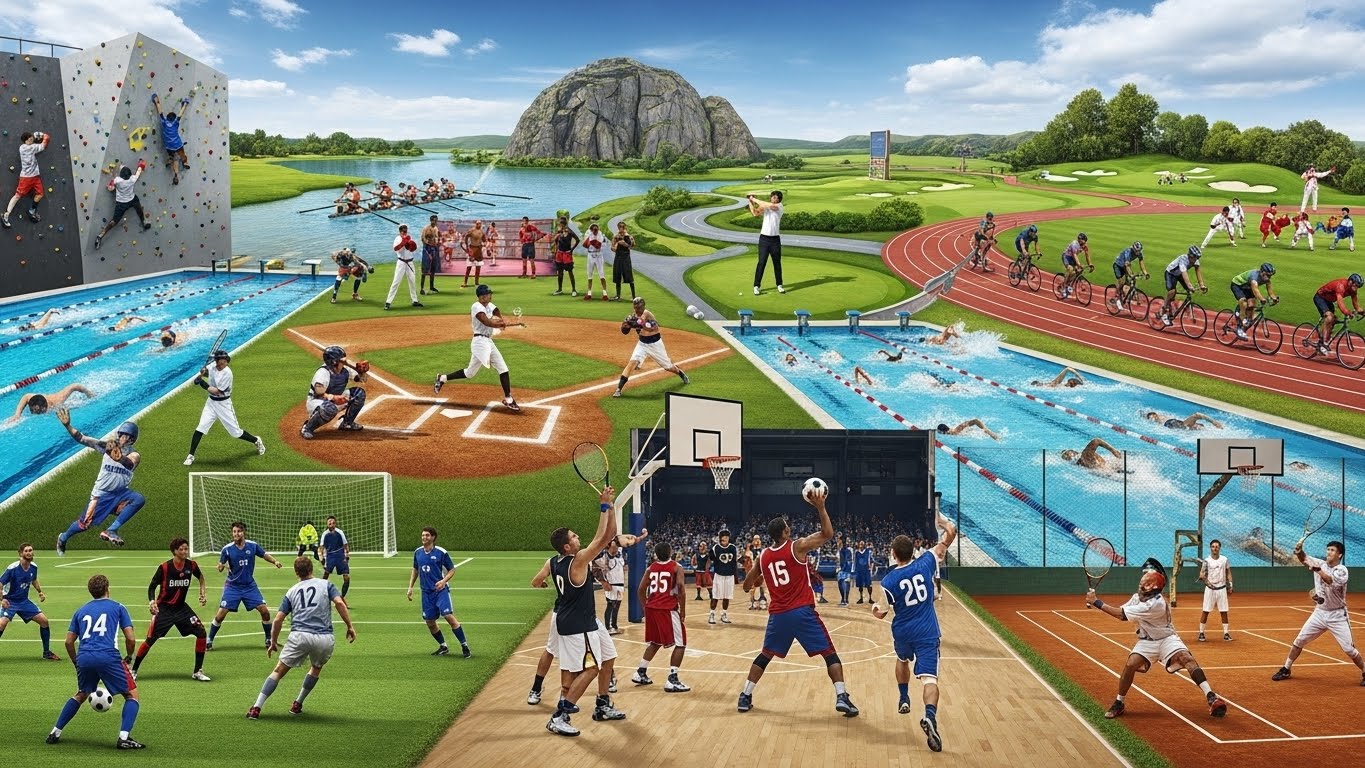
The Olympic Games, originating in ancient Greece, were one of the earliest examples of organized sports on a large scale. These events celebrated athleticism, unity, and the pursuit of excellence. Over time, sports evolved into structured disciplines with rules, teams, and global audiences. Modern sports, from soccer and basketball to athletics and swimming, combine tradition with innovation, drawing players and fans from around the world.
The Physical and Mental Benefits of Sports
Sports are not just about winning trophies or breaking records; they are a vital component of physical and mental well-being. Regular participation improves cardiovascular health, strength, flexibility, and endurance. It also reduces the risk of chronic diseases, supports healthy weight management, and enhances overall vitality.
The mental benefits of sports are equally significant. Participation in physical activities helps reduce stress, anxiety, and depression. It improves focus, discipline, and resilience. Athletes learn to set goals, develop strategies, and persevere through challenges. Team sports, in particular, foster communication, cooperation, and leadership skills. Through both victories and setbacks, sports teach valuable life lessons about persistence, humility, and self-improvement.
Team Sports: Collaboration and Strategy
Team sports, such as soccer, basketball, cricket, and hockey, emphasize collaboration, strategy, and mutual support. Success in these sports depends not only on individual talent but also on teamwork and coordination. Players learn to trust one another, anticipate actions, and adapt to dynamic situations.
Team sports also cultivate leadership and social skills. Captains and senior players mentor younger teammates, guiding them through challenges and helping them develop confidence. The sense of camaraderie and shared purpose builds strong bonds among players, creating lifelong friendships and a sense of belonging. Beyond the field, these experiences often translate into effective teamwork and leadership in professional and personal life.
Individual Sports: Personal Challenge and Mastery
Individual sports, such as tennis, swimming, athletics, gymnastics, and martial arts, focus on personal achievement, discipline, and mental toughness. Athletes in these sports must rely on self-motivation, concentration, and strategic planning to succeed. The journey of individual sports teaches resilience, accountability, and the value of consistent effort.
These sports often push athletes to their limits, testing physical and mental endurance. The satisfaction of achieving personal goals, breaking records, or overcoming obstacles builds self-confidence and fosters a growth mindset. While team sports rely on collaboration, individual sports empower athletes to take full responsibility for their performance, creating a unique sense of accomplishment and personal fulfillment.
Sports and Cultural Identity
Sports play a significant role in shaping cultural identity and national pride. International competitions such as the Olympics, FIFA World Cup, and Cricket World Cup bring countries together, celebrating talent, heritage, and unity. Athletes often become symbols of national excellence, inspiring citizens and promoting cultural values globally.
Cultural traditions are also reflected in regional sports. Sumo wrestling in Japan, kabaddi in India, rugby in New Zealand, and bullfighting in Spain highlight the diversity of athletic expression worldwide. Sports preserve cultural heritage while offering a platform to share it with global audiences, fostering understanding and appreciation of different traditions.
The Role of Sports in Education and Youth Development
Sports are a crucial element of education and youth development. Schools and colleges integrate sports into curricula to promote physical fitness, teamwork, and discipline. Participation in school sports teaches time management, responsibility, and perseverance.
Youth sports programs provide opportunities for children to explore their talents, develop confidence, and form social connections. These programs also instill important life values such as fair play, respect, and ethical conduct. For many young athletes, sports serve as a pathway to higher education, scholarships, and professional careers, offering both personal growth and future opportunities.
The Impact of Professional Sports and Athletes
Professional sports have a profound influence on society. Athletes inspire millions with their skill, dedication, and determination. Their performances captivate global audiences, creating excitement, pride, and emotional connection.
Professional sports also drive economic growth. Stadiums, merchandise, broadcasting, sponsorships, and tourism generate substantial revenue and employment opportunities. Moreover, athletes often serve as role models, advocating for social causes, health awareness, and positive values. Their influence extends beyond the field, shaping public attitudes and encouraging active lifestyles.
Sports as a Unifying Force
One of the most remarkable aspects of sports is its ability to unite people. Regardless of language, religion, or nationality, sports create shared experiences and common ground. Fans celebrate victories, empathize with defeats, and engage in collective enthusiasm.
Major sporting events bring communities together, fostering a sense of belonging and national pride. Local tournaments, recreational leagues, and international competitions alike provide opportunities for social interaction, friendship, and solidarity. In times of social or political tension, sports have historically served as a bridge, promoting harmony and understanding.
Technology and Innovation in Sports
Modern sports are increasingly influenced by technology and innovation. Advanced equipment, performance tracking, video analysis, and data analytics enhance training and strategy. Wearable devices monitor heart rate, stamina, and recovery, allowing athletes to optimize performance and prevent injuries.
Virtual reality and simulation technologies are revolutionizing training methods, while broadcasting innovations bring sports closer to audiences worldwide. Social media and digital platforms have transformed fan engagement, allowing instant access to highlights, interviews, and behind-the-scenes content. Technology ensures that sports remain dynamic, competitive, and accessible to global audiences.
Challenges and Ethical Considerations in Sports
While sports offer numerous benefits, they are not without challenges. Issues such as doping, corruption, match-fixing, and unethical practices threaten the integrity of competitions. Ensuring fair play, transparency, and accountability is essential to maintain trust and credibility in sports.
Moreover, equal access to sports remains a challenge in some regions, particularly for women, marginalized communities, and individuals with disabilities. Addressing these barriers requires policy support, awareness, and inclusive initiatives to ensure that everyone can participate and benefit from sports.
The Future of Sports
The future of sports promises continued evolution and innovation. Advancements in technology, nutrition, training methods, and injury prevention will enhance athlete performance and spectator experiences. Virtual and augmented reality may offer immersive viewing experiences, while esports and digital competitions expand the definition of athleticism in the modern world.
Inclusivity and sustainability are becoming central to sports development. Efforts to promote gender equality, accessibility, and environmentally responsible practices will shape the landscape of sports in the coming decades. Ultimately, the future of sports will continue to inspire, challenge, and unite humanity in new and exciting ways.
Conclusion
Sports are more than games or competitions; they are a celebration of human potential, resilience, and unity. They nurture physical health, mental well-being, teamwork, discipline, and cultural identity. Sports entertain, inspire, and connect people across generations and borders, creating shared experiences and lasting memories.
Whether through casual play, professional competitions, or international events, sports continue to shape our lives in profound ways. They remind us of the value of effort, the thrill of achievement, and the joy of shared passion. As technology, culture, and society evolve, sports will remain an enduring source of inspiration, connection, and excellence for generations to come.