
Introduction: Sports as a Global Phenomenon
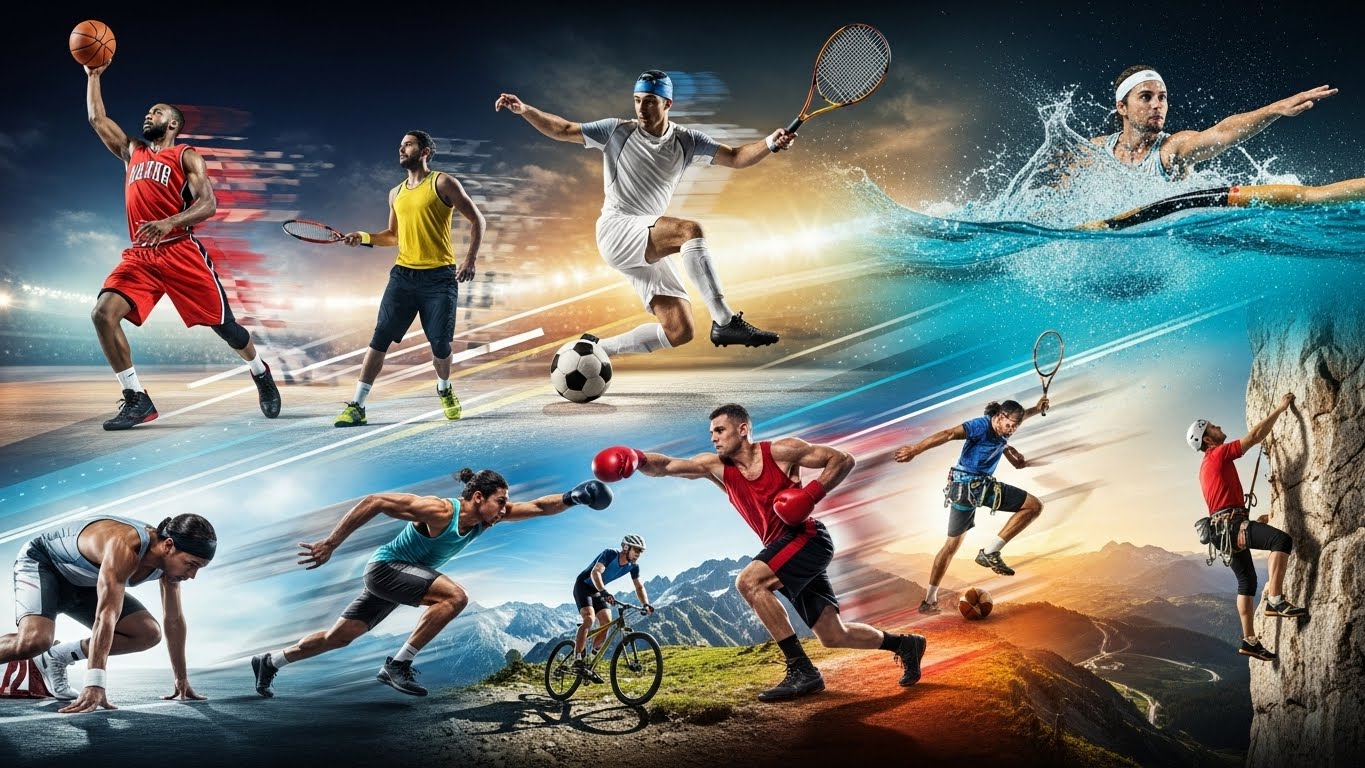
Sports are far more than just games played for fun or as a form of entertainment. They have become a cornerstone of modern culture, influencing economies, shaping identities, and uniting diverse people across the globe. From local leagues to grand international tournaments like the Olympics and the FIFA World Cup, sports have evolved into an industry that touches nearly every aspect of human life. Whether it’s the thrill of competition or the shared experience of watching a game, sports offer unique benefits that extend beyond the playing field. This post explores how sports shape our physical and mental well-being, impact society, and influence the world on a larger scale.
The Origins of Sports: From Ancient Rituals to Modern Competitions
The history of sports dates back to ancient civilizations, where physical activities were often tied to rituals, warfare, and public celebrations. The Greeks are often credited with formalizing sports with the founding of the Olympic Games in 776 BCE. These early competitions were not just athletic contests; they were a way for different city-states to come together and celebrate their shared culture. The Romans, too, held chariot races and gladiatorial combat as forms of entertainment and demonstrations of power.
Over the centuries, various cultures developed their own unique sports, often with strong ties to military training, religious practices, and social status. Fast forward to the 19th and 20th centuries, and sports began to evolve into the structured and organized competitions we know today. Leagues, professional athletes, and large-scale events like the World Cup have taken sports from local gatherings to global spectacles, with millions of fans worldwide.
The Role of Sports in Physical Health
Engaging in sports has a profound impact on our physical health. Whether it’s a casual jog in the park or an intense training session for a competitive event, regular participation in sports improves cardiovascular health, builds strength, and enhances endurance. Physical activity helps regulate body weight, lower cholesterol, and reduce the risk of chronic conditions such as diabetes, hypertension, and heart disease.
Sports also play an important role in improving flexibility, coordination, and motor skills. For children, being involved in sports from an early age fosters healthy growth and development, promoting bone density, muscle mass, and overall fitness. For adults and seniors, sports can help maintain muscle tone, increase bone strength, and combat the physical effects of aging.
In addition to the obvious physical benefits, sports provide a sense of routine and discipline that encourages healthier lifestyles. Athletes typically follow balanced diets and practice self-care to maintain peak performance, habits that can translate to better long-term health outcomes for anyone engaged in regular exercise.
Mental Health and Sports: The Psychological Benefits
The benefits of sports extend well beyond the physical. The psychological and emotional advantages of engaging in sports have been widely documented, offering a powerful antidote to stress, anxiety, and depression. The release of endorphins during physical activity is a well-known mechanism that helps improve mood and reduce feelings of sadness. Regular sports participation can significantly reduce symptoms of anxiety, combat stress, and help manage depression.
Moreover, sports provide an outlet for emotional expression. For many individuals, playing a game or practicing a sport can serve as a way to release pent-up frustration or anger in a healthy, controlled environment. The intense focus required during sports, whether playing a team sport like football or participating in an individual sport like tennis, can also help shift attention away from daily worries, providing an escape that enhances overall mental clarity.
The sense of accomplishment that comes with mastering a skill, winning a game, or reaching a personal goal also builds self-confidence and self-esteem. For many athletes, especially young people, sports provide a platform for personal growth and self-discovery, helping them to develop resilience, persistence, and emotional control.
Sports as a Catalyst for Social Change
While sports are often seen as an avenue for individual achievement, they also play a significant role in shaping society at large. The global nature of sports has given athletes a platform to speak out on issues of social justice, equality, and political activism. One of the most notable examples is the impact of athletes during the Civil Rights Movement in the United States. Icons like Muhammad Ali and Jackie Robinson challenged racial segregation, using their sports platforms to confront issues of racial inequality.
In more recent years, athletes have continued to use their visibility to raise awareness about pressing social issues. The 1968 Olympics, where Tommie Smith and John Carlos raised their fists in a Black Power salute, is one of the most iconic moments in sports history for its political statement. More recently, athletes like Colin Kaepernick have sparked conversations about racial injustice and police brutality through protests such as kneeling during the national anthem.
Sports also serve as a powerful tool for fostering unity among diverse communities. Regardless of race, religion, or background, people unite through their love for a team or a sport. The global appeal of the World Cup, for example, brings nations together, creating a sense of shared identity and national pride. In countries torn by conflict, sports can serve as a bridge, helping to foster peace and reconciliation.
The Economic Impact of Sports
Sports have become a global industry worth billions of dollars, influencing everything from job creation to tourism. Major sporting events like the FIFA World Cup, the Super Bowl, and the Olympics generate enormous economic activity, stimulating local economies through tourism, hospitality, and infrastructure development. The influx of visitors for international events often results in millions of dollars in revenue for host cities and countries.
Professional sports leagues, including the NFL, NBA, MLB, and English Premier League, are major economic drivers, generating revenue through ticket sales, broadcasting rights, merchandise, and sponsorships. In addition, sports organizations support a vast network of jobs in areas such as marketing, event planning, media, and merchandise production.
Moreover, sports have a significant impact on global brands. Sponsorships, endorsements, and partnerships with top athletes contribute to marketing strategies, helping companies reach a wide audience. The global reach of sports has turned athletes into household names, with stars like Michael Jordan, LeBron James, and Cristiano Ronaldo becoming influential figures both on and off the field.
The Globalization of Sports: A Worldwide Connection
In today’s interconnected world, sports have become a globalized phenomenon. International leagues and tournaments draw fans from across the world, and athletes travel between countries to compete at the highest levels. The rise of the internet and digital platforms has made it easier than ever for fans to follow their favorite teams, watch live broadcasts, and engage with athletes on social media.
Sports have also transcended national borders, with international competitions like the Olympics, the World Cup, and the Rugby World Cup providing a stage for athletes from all over the globe to compete. These events foster cultural exchange and showcase the talents of athletes from diverse backgrounds. The Olympics, in particular, embody the idea of global unity, as nations come together to celebrate sportsmanship and excellence in athletic performance.
As sports become more global, the rise of esports has added another layer to the international sports scene. Esports, or competitive video gaming, is growing at an exponential rate, attracting a young audience that is as passionate about gaming as traditional sports fans are about football or basketball. With massive tournaments, sponsorship deals, and streaming platforms like Twitch, esports is establishing itself as a major force in the global sports landscape.
Conclusion: The Enduring Influence of Sports
Sports are more than just games played for entertainment. They are a force that shapes our identities, our communities, and our world. The physical and mental health benefits of sports are undeniable, providing individuals with a platform to improve their well-being while fostering personal growth. On a larger scale, sports drive social change, challenge norms, and unite people from all walks of life.
As a global industry, sports contribute to economies, create jobs, and stimulate social development. The ability of sports to bridge cultural and social divides is one of its most powerful attributes. Whether it’s a child learning to play soccer in a local park or a nation rallying behind its athletes in the Olympics, sports will continue to play a vital role in shaping the future. Their ability to inspire, empower, and connect makes them a universal language that speaks to the heart of humanity.