Introduction: More Than Just a Game
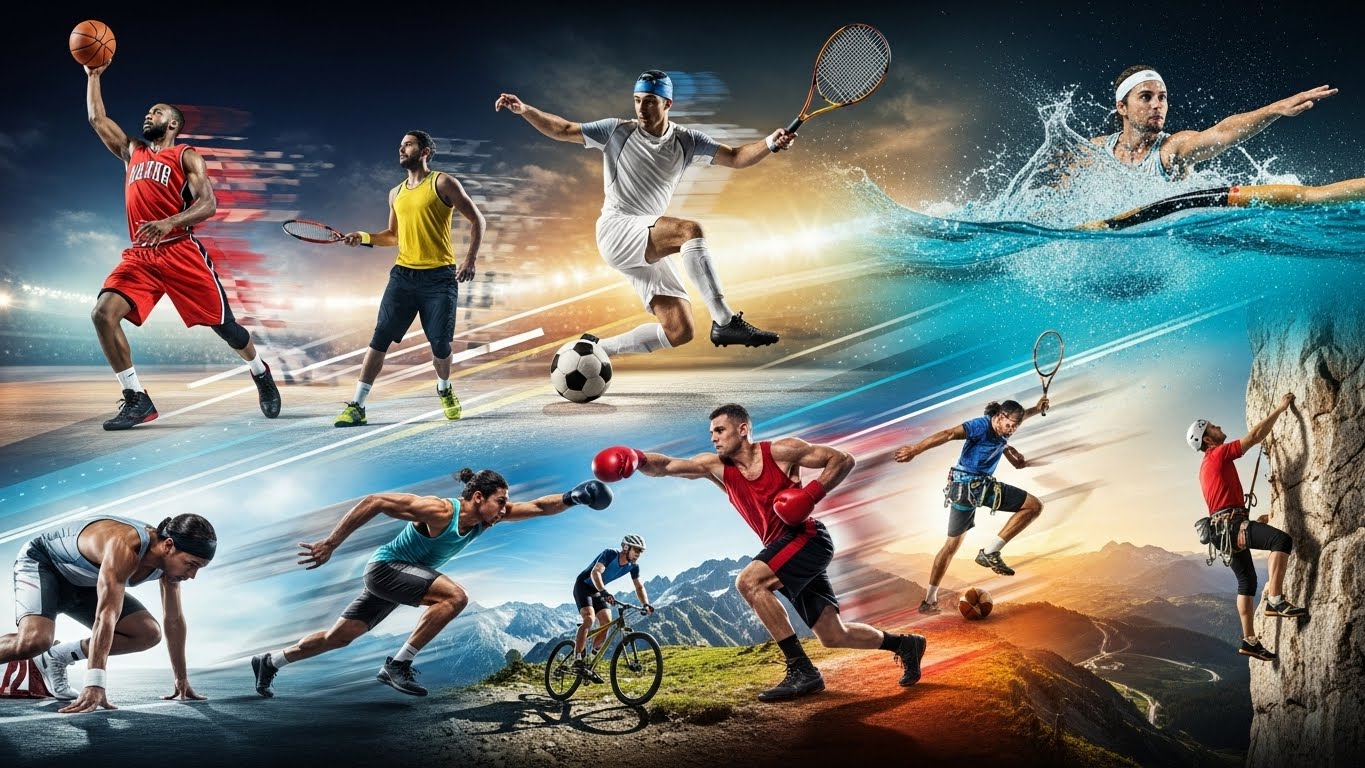
Sports have always been more than physical contests played on fields, courts, or tracks. They are powerful social forces that influence behavior, inspire communities, and reflect the values of societies across the world. From ancient civilizations that celebrated athletic excellence to modern global tournaments watched by millions, sports continue to unite people across language, culture, and geography. While the excitement of winning and losing captures attention, the deeper impact of sports lies in how they shape individuals and communities on emotional, mental, and cultural levels.
The Historical Roots of Sports
The origins of sports can be traced back thousands of years. Ancient Greeks organized the Olympic Games not only as competitions but as celebrations of physical perfection, discipline, and honor. Similarly, traditional sports in Asia, Africa, and the Americas were closely connected to rituals, warfare training, and communal identity. These early forms of sports emphasized respect, courage, and unity. Over time, as societies evolved, sports adapted but retained their core purpose of fostering human connection and excellence.
Physical Health and Lifelong Fitness
One of the most visible benefits of sports is their contribution to physical health. Regular participation improves cardiovascular strength, muscular endurance, flexibility, and coordination. Sports encourage active lifestyles, helping individuals combat sedentary habits that lead to chronic health issues. For young people, sports play a crucial role in healthy growth and development, while for adults they provide a structured way to maintain fitness and vitality. Even at a recreational level, sports promote movement, energy, and overall well-being.
Mental Strength and Emotional Balance
Sports are powerful tools for mental health and emotional resilience. Athletes learn how to manage pressure, cope with failure, and remain focused under challenging circumstances. These experiences build confidence and emotional control that extend beyond the playing field. Participation in sports has been shown to reduce stress, anxiety, and depression by releasing endorphins and creating a sense of accomplishment. The mental toughness developed through sports helps individuals face life’s challenges with greater clarity and determination.
Discipline, Commitment, and Personal Growth
Success in sports requires discipline, consistency, and commitment. Training schedules, practice routines, and performance goals teach valuable life skills such as time management and perseverance. Athletes quickly learn that improvement comes through effort rather than shortcuts. This mindset encourages personal growth and a strong work ethic. Whether competing professionally or playing casually, individuals develop a sense of responsibility toward their own progress and their team.
Teamwork and Social Skills
Team sports, in particular, emphasize cooperation, communication, and mutual respect. Players learn how to work toward a shared goal while appreciating individual strengths and differences. These interactions help develop leadership skills and empathy. Even individual sports often involve coaches, support staff, and peers, reinforcing the importance of collaboration. Through sports, people form lasting friendships and learn how to function effectively within a group, skills that are essential in professional and personal life.
Sports as a Cultural Mirror
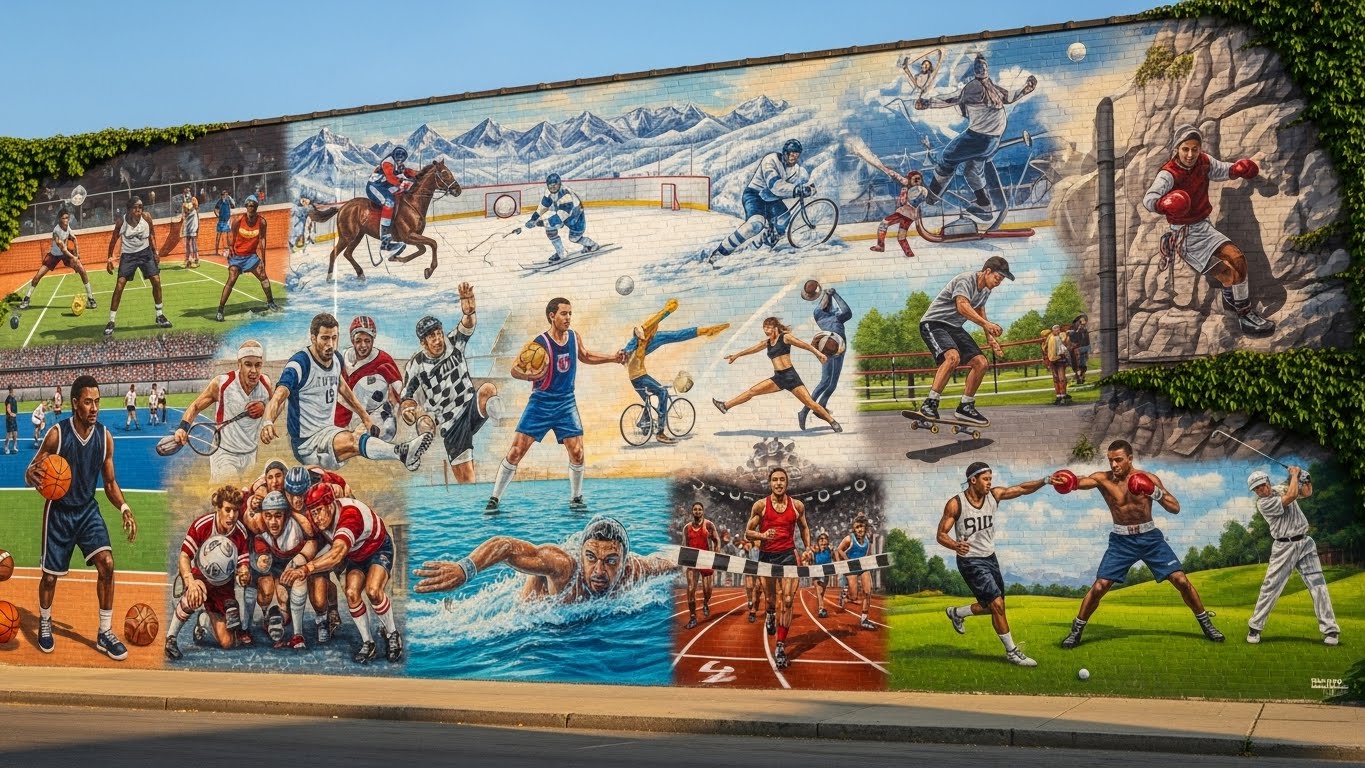
Sports often reflect the culture and values of the societies in which they are played. National sports become symbols of identity and pride, while international competitions showcase diversity and mutual respect. Sporting events bring people together during moments of celebration and collective emotion. Traditions, rituals, and fan cultures surrounding sports highlight how deeply they are woven into social life. In many regions, sports serve as platforms for cultural expression and unity.
Inspiration and Role Models
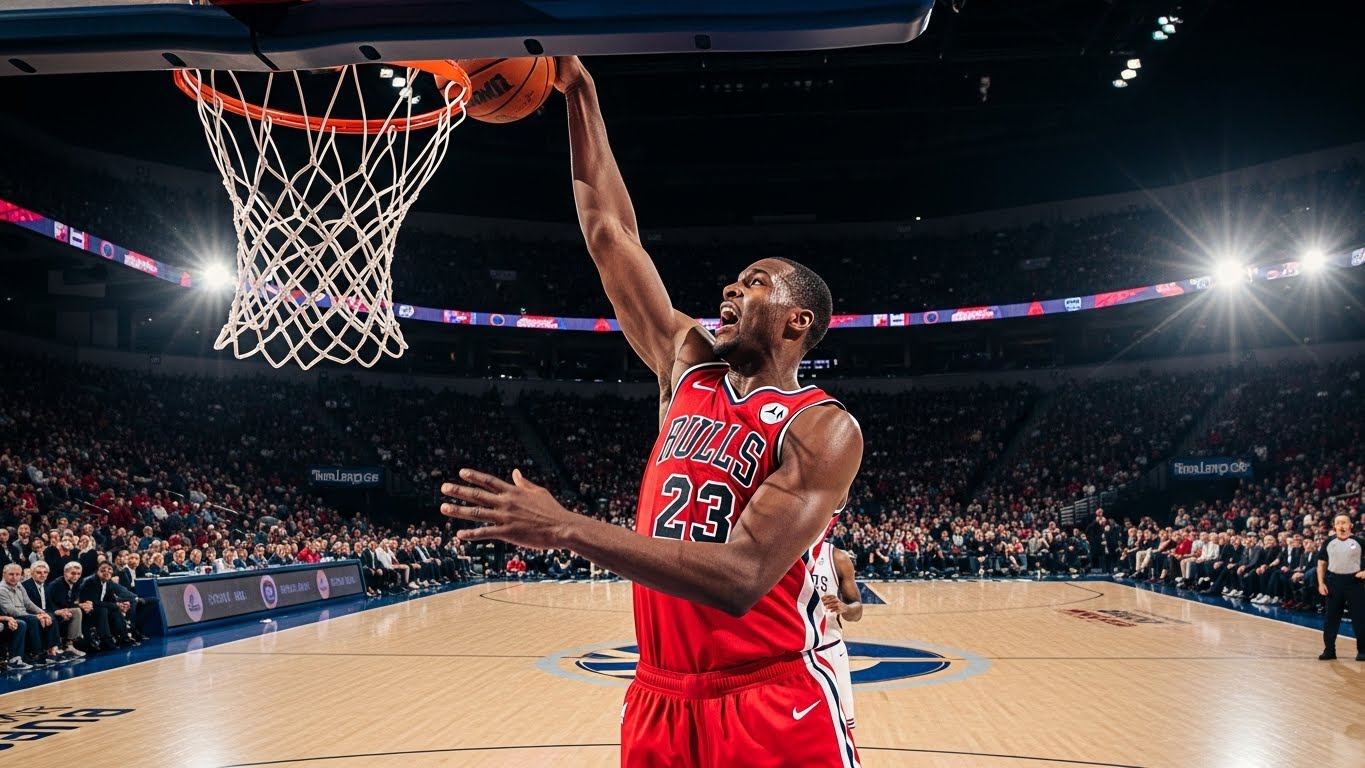
Athletes often become role models who inspire millions through their dedication, humility, and achievements. Their journeys from struggle to success motivate young people to dream big and work hard. Stories of athletes overcoming adversity resonate far beyond sports, offering lessons in resilience and hope. When athletes use their influence responsibly, they can promote positive values such as fairness, inclusion, and respect.
Economic and Community Impact
Sports contribute significantly to local and global economies. From grassroots clubs to major leagues, sports create employment opportunities and support industries such as media, tourism, and merchandising. At the community level, sports facilities and programs bring people together, creating safe spaces for youth engagement and social interaction. Community sports initiatives often play a vital role in reducing crime and promoting social inclusion by offering constructive outlets for energy and talent.
The Evolution of Sports in the Modern Era
Modern sports have evolved alongside technology and media. Advanced training methods, performance analysis, and sports science have raised athletic standards to unprecedented levels. Media coverage has transformed athletes into global icons and competitions into major entertainment events. While commercialization has brought challenges, it has also expanded access and visibility, allowing sports to reach wider audiences and inspire new generations.
Challenges and Ethical Considerations
Despite their positive impact, sports face challenges such as inequality, corruption, and excessive pressure on athletes. Issues related to fair play, doping, and mental health require continuous attention. Ensuring equal opportunities regardless of gender, background, or ability remains an ongoing goal. Addressing these challenges responsibly is essential to preserving the integrity and positive influence of sports.
Sports and the Future Generation
For children and youth, sports are powerful educational tools. They teach values that cannot always be learned in classrooms, such as respect for rules, acceptance of loss, and joy in effort. Encouraging sports participation from an early age helps build healthier, more confident individuals. Schools and communities that prioritize sports contribute to the development of balanced citizens who value both physical and intellectual growth.
Conclusion: The Enduring Power of Sports
Sports are deeply embedded in the human experience. They challenge the body, sharpen the mind, and nourish the spirit. Beyond competition and entertainment, sports teach lessons that shape character and strengthen communities. They remind us of the importance of effort, fairness, and unity in a complex world. As societies continue to evolve, sports will remain a timeless force that brings people together, inspires greatness, and celebrates the shared potential of humanity.