Introduction: The Essence of Sports
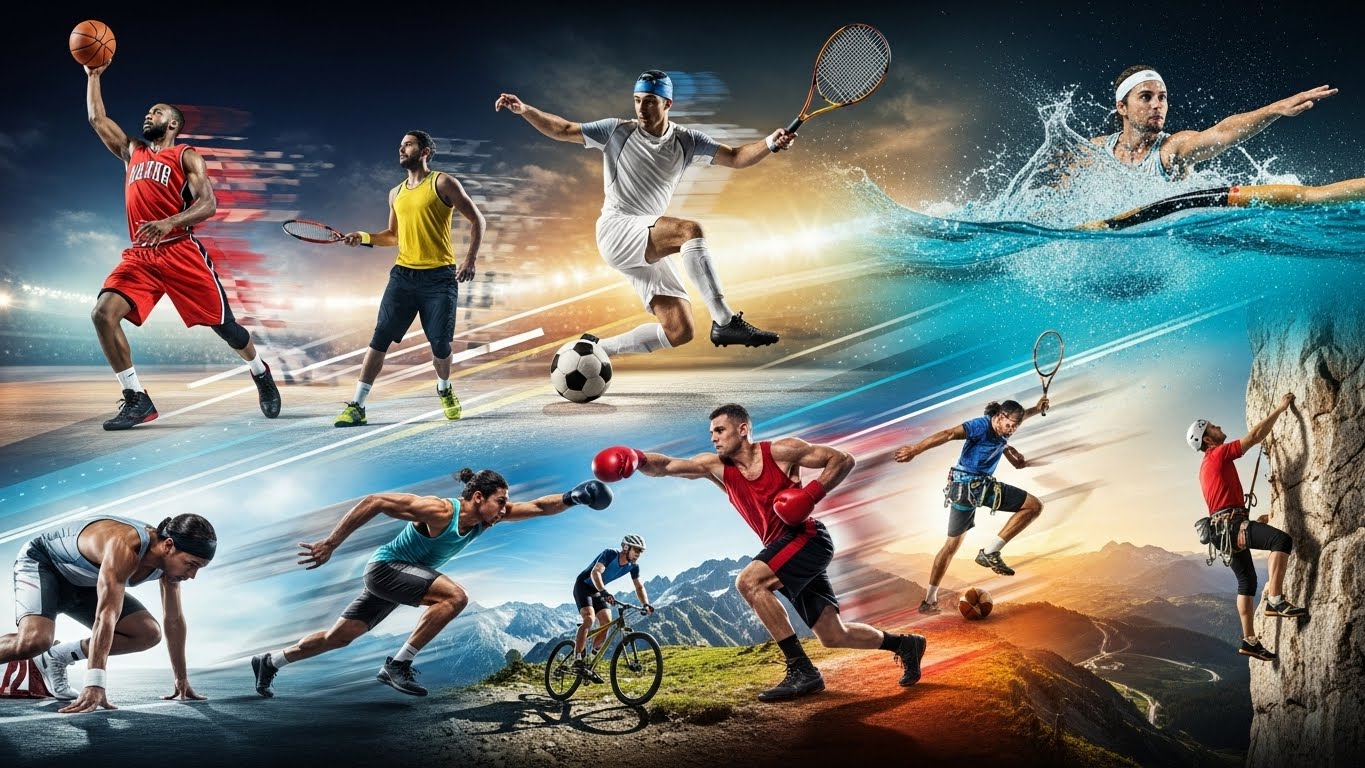
Sports are often seen as a form of entertainment, a competitive activity that fills our weekends, or even a way to stay in shape. But beneath this surface, sports offer something far more profound. They’re a microcosm of life, reflecting both the triumphs and failures we all experience in the real world. From team sports that teach collaboration to individual competitions that foster self-discipline, sports have a unique power to influence individuals and communities in ways that go far beyond the game itself.
The Unspoken Lessons of Teamwork
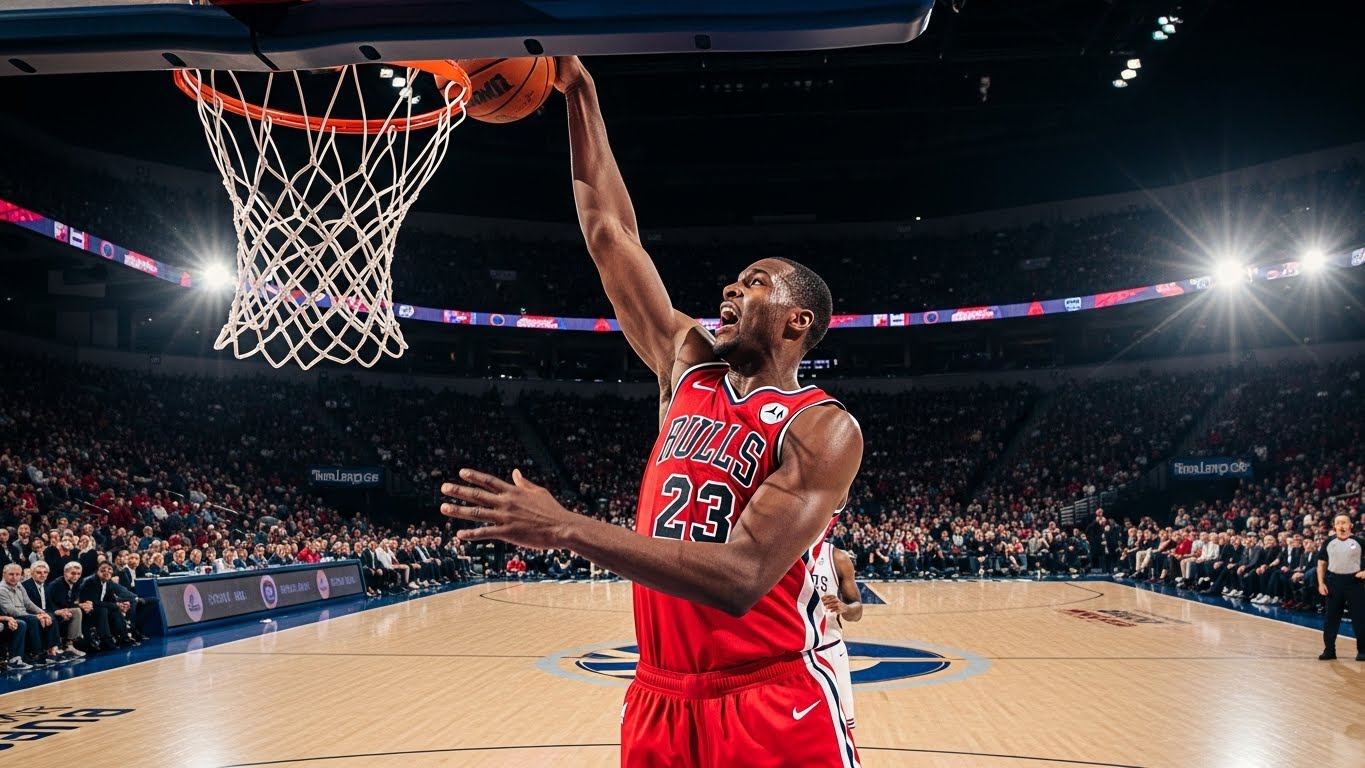
Whether you’re watching a professional soccer match or playing a game of pick-up basketball with friends, sports provide an arena for one of life’s most important skills: teamwork. The dynamics of working together with people who bring different strengths to the table can teach lessons that transcend the playing field.
In a sports team, each player has a role to play, whether they’re the star scorer, the defensive powerhouse, or the unsung leader motivating the others. The success of the group hinges on each member doing their part and supporting one another. This collaboration fosters not only trust but also an understanding of how collective effort leads to achieving common goals. These skills are invaluable, as they can be translated to almost any profession or personal endeavor.
Building Mental Toughness: Sports as a Tool for Resilience
One of the most powerful elements of sports is their ability to build mental toughness. There’s no shortage of challenges on the field—be it a last-minute goal, an injury, or a difficult loss. What makes athletes stand out is not necessarily their physical abilities, but their mental strength in the face of adversity.
The highs and lows experienced in sports mirror many of the challenges we face in life. Athletes learn to cope with failure, bounce back from setbacks, and celebrate their successes with humility. These lessons in resilience carry over into everyday life, where perseverance in the face of challenges is crucial for personal growth and achievement.
Sports as a Catalyst for Social Change
While many sports focus on the individual or team dynamic, they also provide a platform for broader social influence. Historically, athletes have used their visibility to bring attention to social issues. Icons like Muhammad Ali, Billie Jean King, and Jackie Robinson didn’t just make history with their performance on the field, but also with their courage to speak out for justice and equality.
In today’s world, sports continue to be a powerful tool for raising awareness about important causes, from racial inequality to climate change. Through charity events, activism, and social media, athletes have the ability to spark conversations and inspire change. They show that the reach of sports extends far beyond the playing field and can be a potent force for positive social transformation.
Health Benefits: A Lifetime of Physical Wellness
It’s no secret that physical activity is key to maintaining good health. Yet, the impact of sports on our overall well-being goes much deeper than just burning calories or building muscle. Regular participation in sports improves cardiovascular health, boosts mental well-being, and enhances cognitive function. It also helps in building lifelong habits of physical activity, which are vital for a long and healthy life.
For children and young adults, sports can be particularly important in developing lifelong habits of exercise and promoting mental health. The sense of achievement gained through mastering a skill or achieving a personal best can enhance self-esteem and confidence, providing a solid foundation for adulthood.
The Global Language of Sports
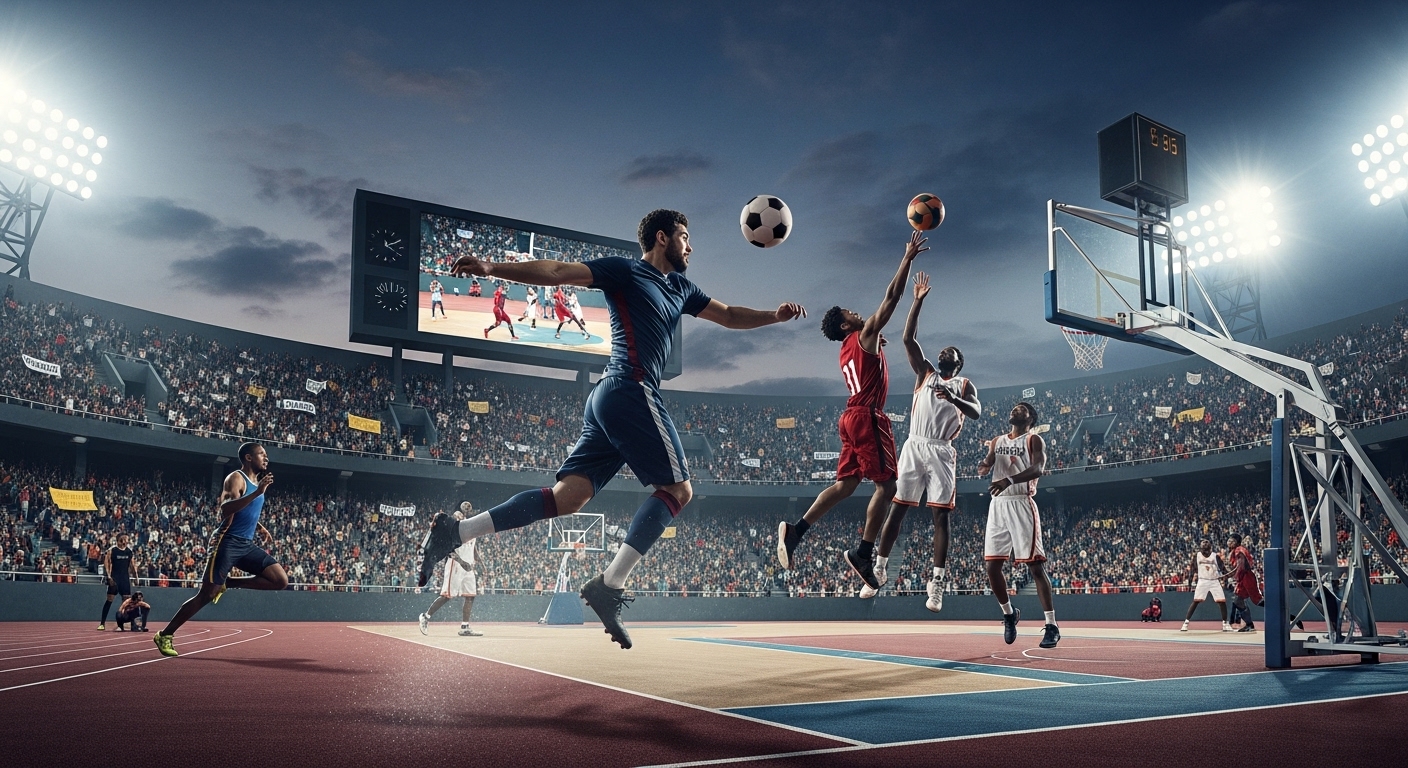
Perhaps one of the most remarkable things about sports is their universal appeal. No matter where you are in the world, sports create a shared language that transcends cultural and linguistic barriers. A soccer match in Brazil is just as meaningful as one in Spain, and a game of basketball in the United States is no less exciting than one in Japan. Sports offer a rare chance for people from all backgrounds to come together and share in the joy of the game.
This shared passion creates global communities, whether they’re celebrating the Olympics, the World Cup, or the local neighborhood league. Through sports, individuals can feel a sense of belonging, building friendships that stretch across continents and cultures.
Conclusion: Sports as a Reflection of Life
At its core, sports are a reflection of the human experience. They offer more than just a way to pass the time; they shape our character, challenge our limitations, and give us a sense of purpose. Whether we are playing, watching, or supporting, sports have the power to bring out the best in us. They teach us about teamwork, resilience, health, and unity, and they give us a space to celebrate both personal and collective achievements.
Sports aren’t just games—they are a way of life.