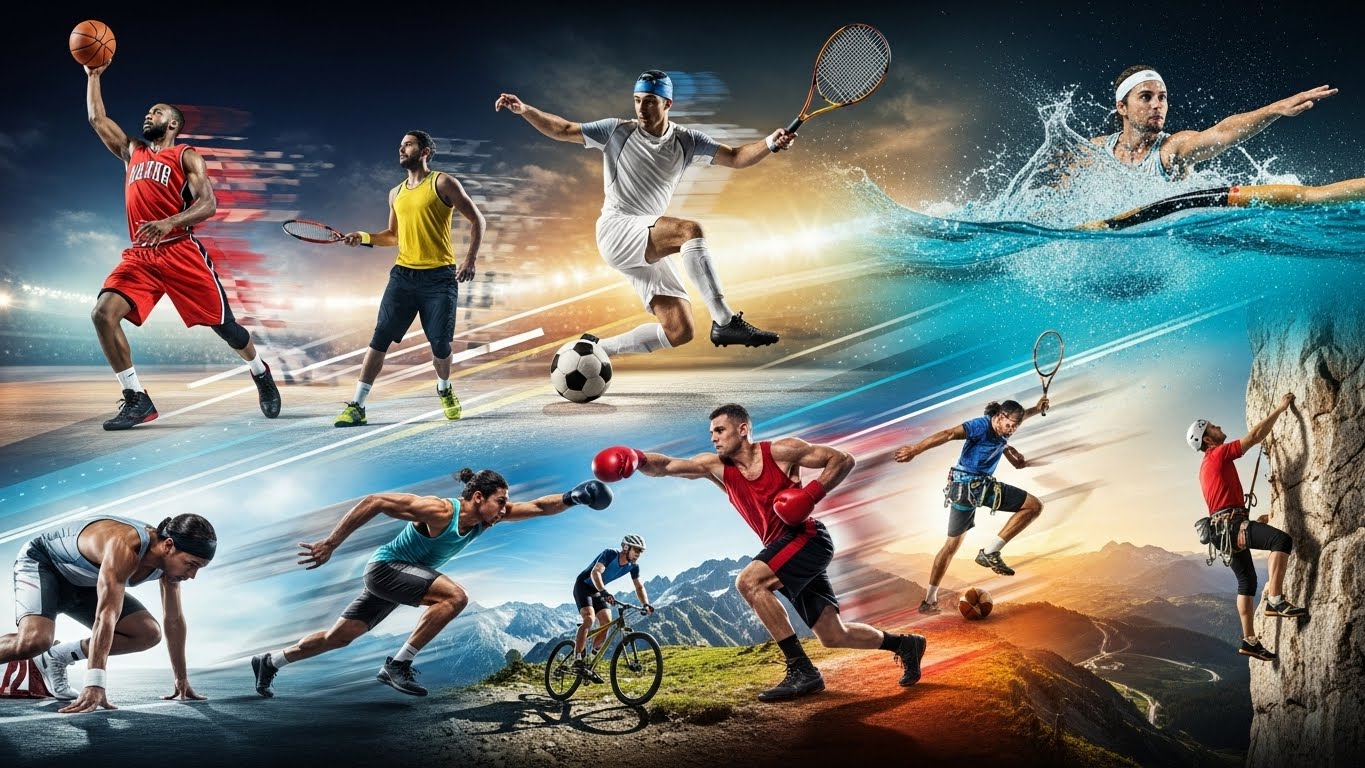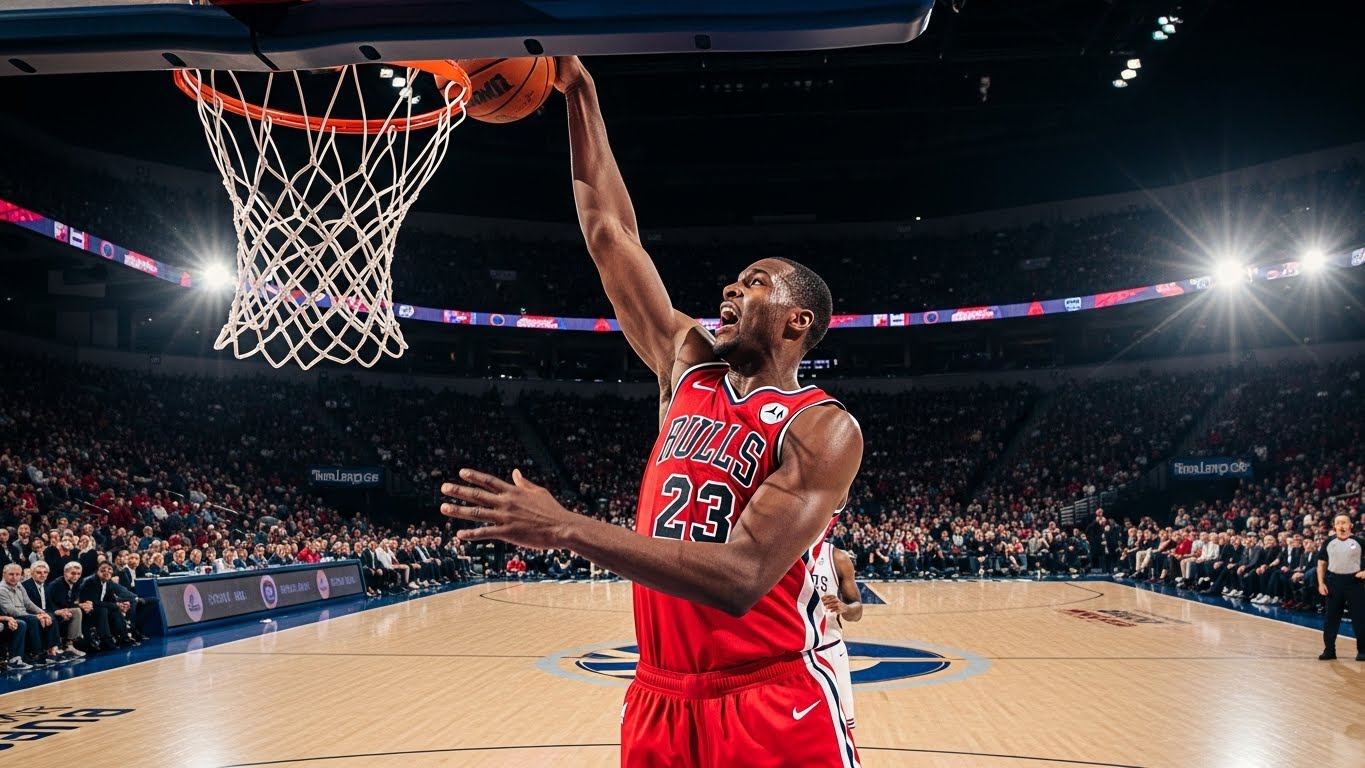

Sports have long been a central part of human culture. From ancient civilizations to modern-day arenas, they have played a crucial role in shaping our societies, developing our bodies and minds, and forging connections across borders. Beyond the physical activity, sports have evolved into a global language of emotion, unity, and competition. This blog delves into the significance of sports in today’s world, examining how they influence individuals, communities, and even entire nations.
The Global Power of Sports
Sports, whether played on dusty playgrounds or in state-of-the-art stadiums, possess a unique ability to unite people across the globe. No matter the sport—whether it’s soccer, cricket, basketball, or even a local game—each one connects individuals who share a love for competition, teamwork, and the thrill of the game. Fans in different corners of the world, regardless of language or culture, rally around their teams with shared fervor, transcending the barriers that often divide them.
This global reach extends beyond mere spectatorship. Major sporting events, such as the FIFA World Cup or the Olympics, bring together people from diverse backgrounds, fostering a sense of solidarity that can be rare in our often fractured world. In these moments, the outcome of a match becomes less important than the shared experience of the journey.
The Mental and Physical Benefits of Sports
While the excitement of watching a game is evident, the benefits of actually participating in sports are numerous and impactful. Physical fitness is one of the most obvious benefits. Whether playing soccer, tennis, or even running, engaging in physical activity helps improve cardiovascular health, builds strength, and boosts immunity. Regular participation in sports also helps maintain a healthy weight, improves bone health, and can increase longevity.
But the benefits of sports aren’t just physical. Mental health plays an equally important role. Exercise, especially through sports, releases endorphins—those feel-good hormones that alleviate stress, anxiety, and depression. The structure and discipline that come with consistent training in sports can also help individuals develop resilience, patience, and a growth mindset. For many, sports serve as an escape, a way to clear the mind and focus on the present moment. The sense of accomplishment after a hard-fought game or achieving a personal goal brings immense satisfaction and confidence.
Building Connections: The Social Impact of Sports
Sports have an unparalleled ability to bring people together, not only through competition but also through shared experiences. In many communities, sports are a cornerstone for building connections. Whether it’s playing on a local soccer team, supporting a regional league, or attending a school event, sports offer a sense of belonging that can be incredibly powerful.
For young people, especially, team sports provide invaluable lessons in collaboration, empathy, and communication. They learn how to work together, support one another, and face challenges as a unit. These skills are transferable to every area of life, from the classroom to the workplace. For adults, sports can create lifelong friendships, with teammates and opponents often becoming trusted allies and friends.
Sports also have the power to shape local and national identities. A team’s success or failure can influence an entire region’s mood, from joyous celebrations in the streets to collective heartbreak after a tough loss. A shared passion for a team can define the cultural landscape, providing a source of pride and identity for people who may never have met but feel connected through their loyalty to a team or sport.
The Rise of Technology in Sports
As technology continues to advance, so too does the world of sports. From high-tech sports equipment to data analytics and virtual training programs, technology has revolutionized the way athletes prepare, perform, and recover. Coaches and players now have access to an array of performance-enhancing tools, such as wearables that track heart rate, muscle performance, and overall exertion levels.
In addition, the rise of digital media has altered how we experience sports as fans. Social media platforms allow us to interact directly with athletes, follow teams in real-time, and access behind-the-scenes content. Video streaming services and apps enable fans to watch games from anywhere, ensuring that the excitement of sports is no longer confined to the stadium. The rise of e-sports has also introduced a new era of competition, where video games are now recognized as legitimate sports, attracting millions of viewers and participants worldwide.
However, technology in sports is not without its challenges. The pressures on athletes to perform at their best, fueled by analytics and data, can sometimes lead to burnout or injuries. While technology has enhanced the game in many ways, the balance between innovation and the well-being of athletes is a conversation that continues to evolve.
Sports as a Tool for Social Change
Throughout history, sports have also been a powerful tool for social change. Icons like Muhammad Ali, Jackie Robinson, Billie Jean King, and Colin Kaepernick have used their platforms to address societal issues and challenge the status quo. Through their actions and voices, these athletes have sparked important conversations on race, gender equality, and social justice.
Sports have the unique ability to raise awareness, inspire movements, and create lasting change. When athletes stand up for what they believe in, they often amplify the voices of marginalized groups and bring global attention to critical issues. Their courage to speak out and make a difference goes far beyond the field or court and has the potential to shift societal attitudes and spark real-world change.
The Future of Sports: Inclusivity and Innovation
Looking to the future, the world of sports is bound to continue evolving in exciting ways. One of the most important trends is the push for greater inclusivity. Efforts to make sports more accessible to people of all backgrounds, including those with disabilities, have gained momentum. Adaptive sports programs and para-athletic events are growing, breaking down barriers and creating opportunities for everyone to participate, no matter their physical abilities.
Moreover, sports organizations are increasingly focusing on diversity and inclusion within their teams and fanbases. The hope is that, in the future, sports will be a place where everyone—regardless of race, gender, or background—can feel valued and celebrated.
Technological advancements, such as virtual reality and artificial intelligence, will continue to change how sports are played, coached, and consumed. New innovations will allow athletes to train more effectively and recover more quickly, while fans will enjoy even more immersive and interactive experiences.
Conclusion
Sports are far more than a form of entertainment; they are a reflection of the human spirit. They teach us perseverance, build communities, and inspire us to be our best selves. Whether we are playing, coaching, or cheering from the sidelines, sports remind us of our shared humanity and our ability to push the boundaries of what is possible. As we move into the future, the power of sports will continue to shape our lives, offering new ways to connect, compete, and create lasting memories.