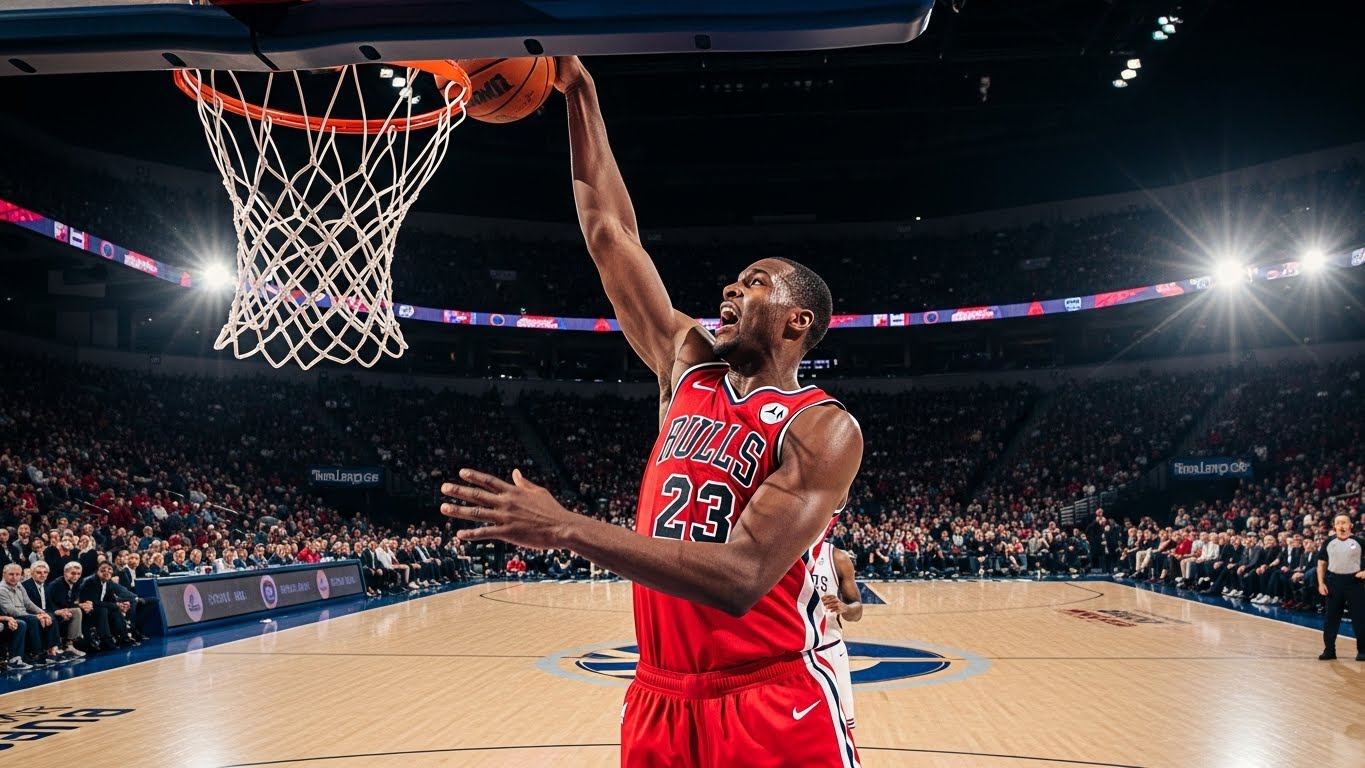

Whether you’re an aspiring athlete aiming for the highest level or a weekend warrior simply seeking to improve your performance, the principles behind training like a pro are universally beneficial. Professional athletes dedicate their lives to mastering their craft, and while not all of us can commit to the same level of intensity, we can certainly borrow elements of their routines to elevate our game.
Training like a pro requires more than just physical effort—it’s about developing a holistic approach that combines physical conditioning, mental toughness, nutrition, and recovery. In this blog post, we’ll explore the key components of pro-level training and how you can apply them to your sport of choice, whether it’s basketball, soccer, tennis, or any other athletic endeavor.
1. Set Specific and Measurable Goals
Every professional athlete has a clear vision of what they want to achieve, and they break that vision down into measurable, achievable goals. This is the first step in any professional-level training program. To train like a pro, you need to define what success looks like for you and create a plan to get there.
How to Apply It:
- Short-Term Goals: These could be specific skills you want to improve, such as increasing your sprint time, mastering a certain move, or building endurance.
- Long-Term Goals: These might be performance-related, such as making the team, qualifying for a competition, or achieving a personal best in your sport.
- Track Progress: Use technology, apps, or a simple training log to track your progress over time. Measuring your improvements is key to staying motivated and adjusting your training methods if needed.
Pro athletes don’t train aimlessly. They have a purpose behind every session, and so should you.
2. Focus on the Fundamentals
No matter what sport you’re training for, the basics always come first. Even at the highest level of competition, professionals continually work on the foundational skills that form the basis of their game. This could mean improving your shooting form in basketball, your dribbling skills in soccer, or your serving technique in tennis. Without mastering the basics, you can’t hope to perform at an elite level.
How to Apply It:
- Drills: Regularly practice the basic movements, techniques, and skills that are essential to your sport. For example, basketball players shoot free throws every day to maintain their form and accuracy.
- Repetition: The key to mastery is repetition. Even if it feels mundane at times, practicing the fundamentals repeatedly will lead to automaticity and refinement over time.
- Breakdown Complex Skills: If you’re working on advanced moves or techniques, break them down into simpler components and focus on perfecting each step before moving to the next.
Training like a pro means continually refining your base skill set—never stop working on the fundamentals, no matter how advanced you become.
3. Build Sport-Specific Strength and Conditioning
Elite athletes don’t just train hard—they train smart. Strength and conditioning for professional athletes are highly tailored to the demands of their specific sport. Whether you’re training for basketball, swimming, or football, developing sport-specific strength will improve your performance and reduce the risk of injury.
How to Apply It:
- Strength Training: Incorporate exercises that build muscles specific to your sport. For example, basketball players focus on leg strength for jumping and agility, while swimmers emphasize upper body and core strength.
- Endurance Training: Aerobic capacity is crucial for many sports. Build your stamina through activities like running, cycling, or rowing, depending on the endurance demands of your sport.
- Plyometrics and Explosive Movements: Many sports require quick bursts of speed or explosive power. Jump squats, box jumps, and other plyometric exercises are essential for building power and agility.
- Balance and Flexibility: Pro athletes focus on mobility and flexibility through activities like yoga, Pilates, or dynamic stretching to enhance movement efficiency and prevent injuries.
Don’t just train hard—train specifically for the demands of your sport. This targeted approach will give you an edge over your competition.
4. Develop Mental Toughness
Professional athletes are not only physically strong; they are mentally tough. The ability to stay focused under pressure, overcome setbacks, and push through fatigue is what separates elite athletes from the rest. Mental toughness is developed through consistent practice and positive mindset training.
How to Apply It:
- Visualization: Before a big game or event, visualize yourself performing at your best. Imagine every movement, every pass, and every shot going exactly as planned. This mental rehearsal can help reduce anxiety and boost confidence.
- Mindfulness and Meditation: Incorporating mindfulness exercises or meditation into your routine can help you stay calm and composed under pressure, focus on the present moment, and manage stress.
- Positive Self-Talk: Cultivate a positive internal dialogue. Instead of focusing on mistakes, shift your thinking to what you can control and what you’ve learned from each experience.
- Resilience Training: Setbacks are inevitable in any sport, but learning to recover and bounce back is what makes the difference. Keep a growth mindset and treat every failure as an opportunity to improve.
Training your mind is just as important as training your body. Stay mentally strong, and you’ll be able to maintain your composure when the going gets tough.
5. Fuel Your Body with Proper Nutrition
Nutrition is the foundation of an athlete’s performance. Pro athletes understand the importance of fueling their bodies with the right nutrients to enhance energy, recovery, and overall performance. Eating the right foods before, during, and after training sessions can make all the difference.
How to Apply It:
- Carbohydrates for Energy: Carbs are the primary source of fuel for endurance and strength activities. Include complex carbs like whole grains, fruits, and vegetables in your diet to sustain energy during long training sessions.
- Protein for Muscle Repair: Protein is essential for muscle recovery and growth. Aim to consume lean protein sources such as chicken, fish, tofu, and legumes after workouts.
- Healthy Fats for Endurance: Healthy fats, such as those found in avocados, nuts, and olive oil, help provide long-lasting energy and support brain function.
- Hydration: Proper hydration is critical for optimal performance. Dehydration can lead to fatigue, cramps, and impaired focus. Drink plenty of water before, during, and after your workouts to stay hydrated.
The right nutrition plan will fuel your performance and accelerate recovery. Prioritize whole foods, balanced macronutrients, and proper hydration to maximize your athletic potential.
6. Rest and Recovery
The work doesn’t stop when you leave the gym or the field. Professional athletes spend a significant amount of time focusing on recovery, ensuring their bodies are ready for the next intense session. Rest is just as important as training in helping muscles rebuild and perform at their best.
How to Apply It:
- Sleep: Aim for 7-9 hours of quality sleep every night. Sleep is essential for muscle recovery, cognitive function, and overall well-being.
- Active Recovery: Incorporate light activities, such as walking, swimming, or yoga, on rest days to keep the blood flowing and reduce muscle stiffness.
- Massage and Foam Rolling: Regular massages and foam rolling help release tension in your muscles and improve flexibility, reducing the risk of injury.
- Ice Baths and Contrast Therapy: Many pro athletes use ice baths to reduce inflammation after intense workouts, while contrast therapy (alternating between hot and cold) can also aid in recovery.
Remember, you get stronger during recovery—not just during the workout. Prioritize rest and recovery to perform your best in every session.
7. Train with Purpose and Consistency
One of the biggest differences between professional athletes and amateurs is consistency. While anyone can push themselves hard for a week or two, pros show up every day, rain or shine, and put in the work with purpose. Consistent training is the key to improvement and success.
How to Apply It:
- Create a Schedule: Make a training schedule that works for you and stick to it. Consistency is more important than intensity—small, daily improvements add up over time.
- Quality Over Quantity: Focus on the quality of your training rather than just the number of hours spent. A well-executed 60-minute session is far more effective than a 2-hour workout filled with distractions or poor form.
- Accountability: Share your goals with a coach, training partner, or friend to stay motivated. Having someone to hold you accountable can make all the difference in staying consistent.
Train with intention and show up every day, and you’ll see the results in the long run.
Conclusion: Your Path to Professional-Level Training
Training like a pro isn’t just about pushing your physical limits—it’s about adopting a holistic approach that includes goal-setting, mental toughness, sport-specific conditioning, nutrition, recovery, and consistent effort. Whether you dream of playing professionally or simply want to elevate your performance, applying these principles will help you unlock your true potential.
Remember, becoming a pro takes time, dedication, and perseverance. But by following these strategies and committing to a disciplined, all-around approach, you can train at a level that rivals the best athletes in the world. Stay focused, train smart, and enjoy the process—the results will follow.