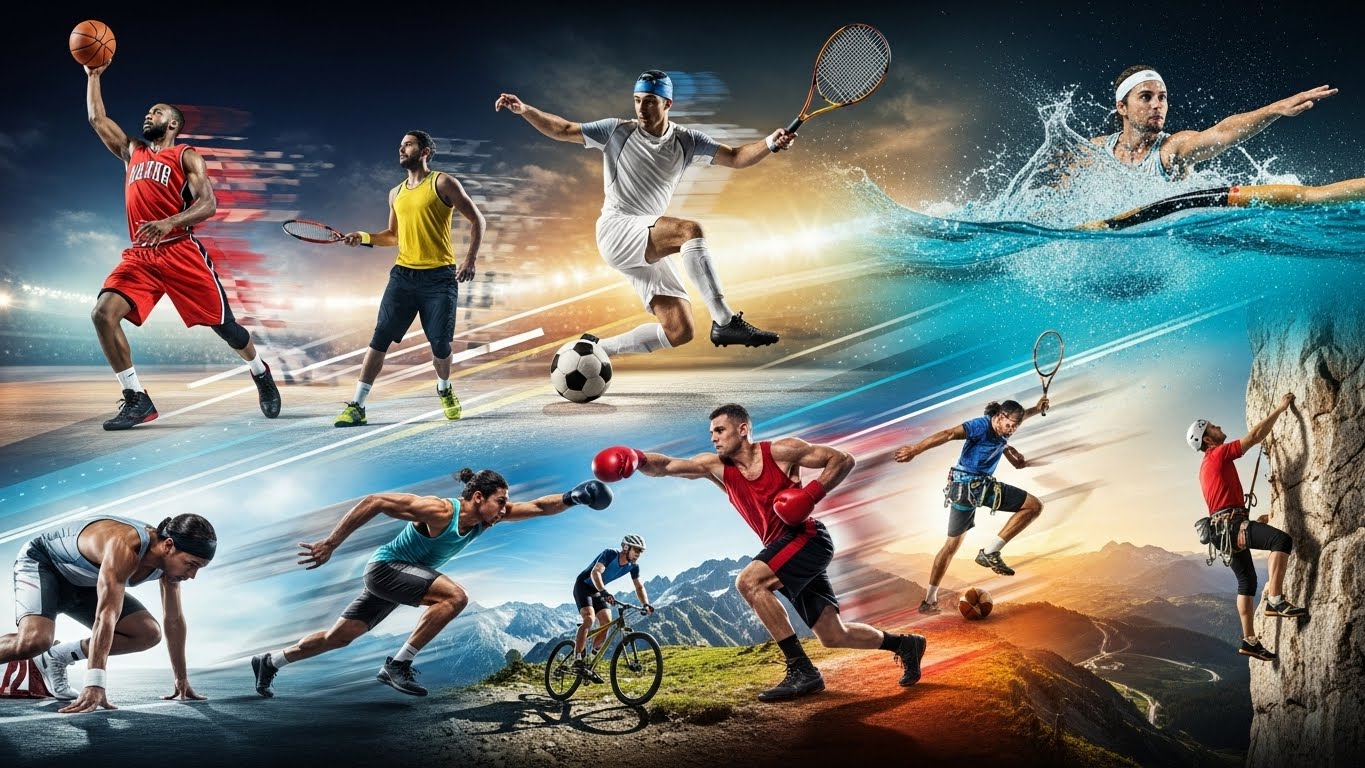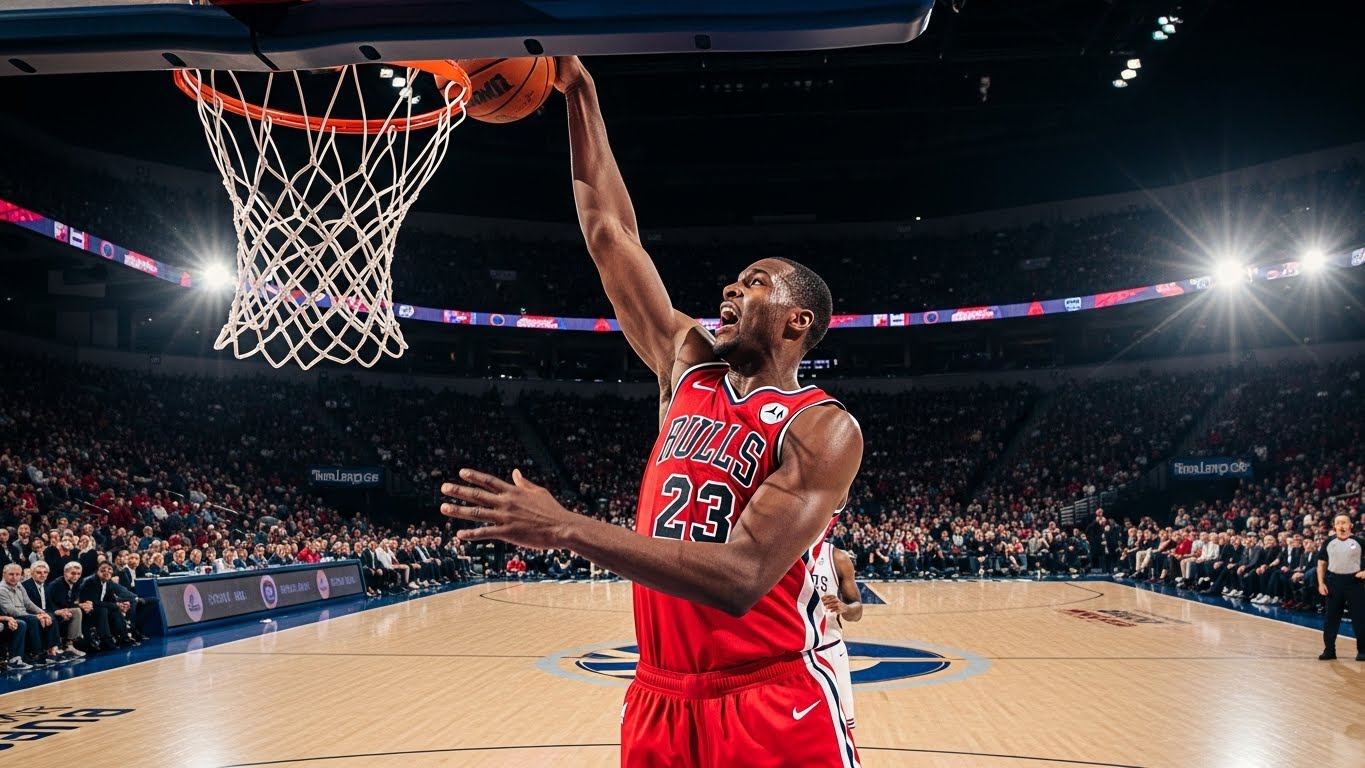
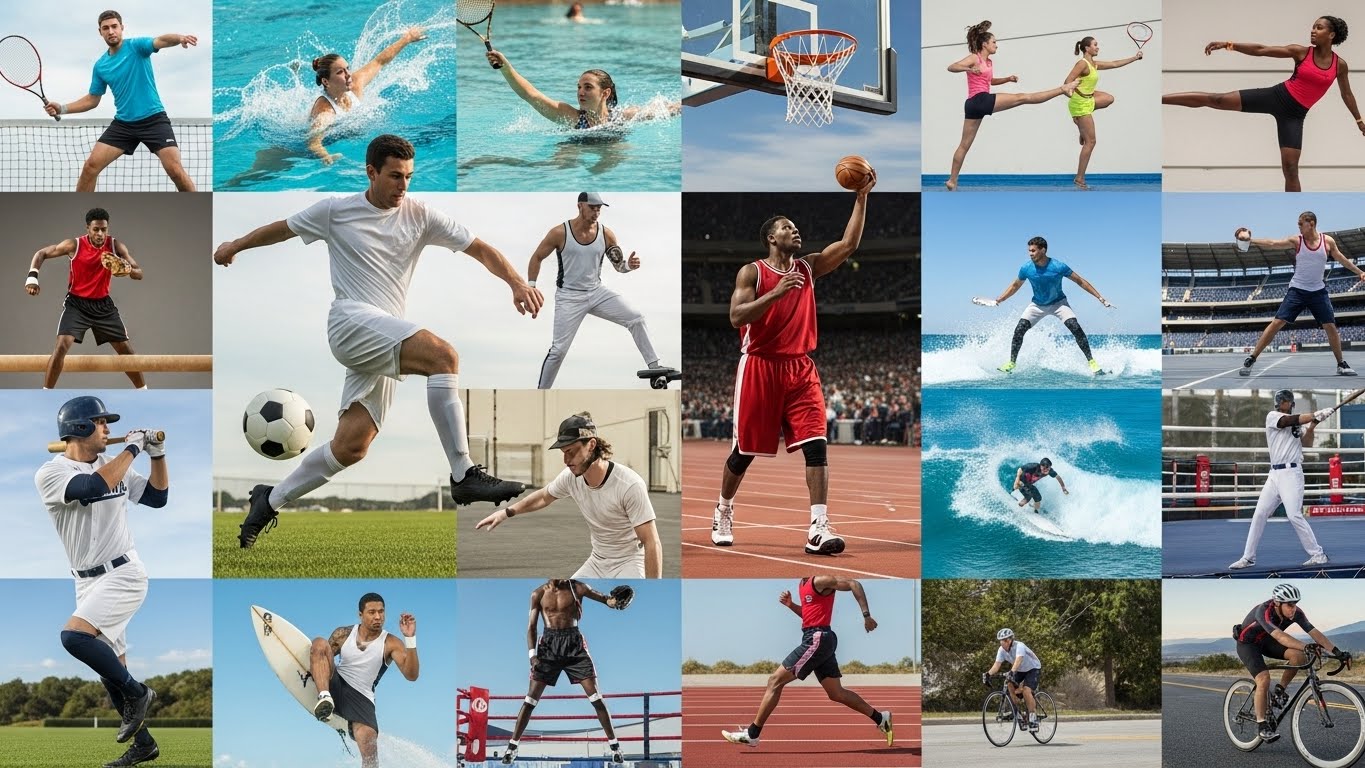
Sports have been an essential part of human civilization for centuries, transcending borders, cultures, and generations. From ancient Olympic competitions in Greece to modern-day football stadiums and cricket grounds, sports have always been more than just games—they are a reflection of human spirit, discipline, and ambition. Beyond the thrill of competition, sports influence physical health, mental resilience, social bonding, and cultural identity. This blog explores the multifaceted impact of sports, their benefits, and why they remain an integral part of our lives.
The Physical Benefits of Sports
The most obvious impact of sports is on physical health. Engaging in sports regularly improves cardiovascular fitness, builds muscle strength, enhances flexibility, and boosts overall coordination. Athletes often demonstrate what the human body can achieve through training, endurance, and discipline.
Even at a recreational level, activities such as running, swimming, football, or basketball contribute significantly to maintaining a healthy lifestyle. Participation in sports reduces the risk of chronic conditions such as obesity, diabetes, and heart disease. Additionally, regular physical activity strengthens the immune system, improves sleep quality, and promotes longevity. Sports not only enhance athletic performance but also encourage healthy habits that persist throughout life.
Mental and Emotional Benefits
Sports do not only benefit the body—they also strengthen the mind. Participation in competitive or recreational sports fosters discipline, focus, patience, and determination. The process of training for a match or event teaches goal-setting, perseverance, and time management skills. These lessons often translate into other areas of life, including academics, career, and personal growth.
Sports also play a significant role in managing stress and improving mental health. Physical activity triggers the release of endorphins, natural chemicals in the brain that enhance mood and reduce anxiety. Team sports, in particular, create a sense of camaraderie, belonging, and shared purpose. Experiencing both victories and defeats cultivates resilience, humility, and the ability to handle challenges gracefully.
Building Social Connections Through Sports
One of the most powerful aspects of sports is their ability to bring people together. Whether at the community level or international events, sports foster social bonds and collective identity. Local tournaments, school competitions, and neighborhood games encourage teamwork, communication, and cooperation among participants.
Globally, sports act as a unifying force, transcending cultural and national boundaries. Major sporting events like the FIFA World Cup or the Olympics attract audiences from around the world, creating a shared sense of excitement and national pride. Participation in sports also encourages empathy, tolerance, and respect for diversity, as players interact with teammates and opponents from various backgrounds.
Life Lessons Taught by Sports
Sports provide invaluable lessons that extend far beyond the field or court. Discipline, perseverance, teamwork, strategic thinking, and leadership are all cultivated through sports participation. Athletes learn to set goals, work consistently toward achieving them, and respond constructively to setbacks. Losing a game teaches humility and resilience, while winning reinforces confidence and self-belief.
Leadership skills are developed in team sports, where captains and senior players guide, motivate, and inspire their teammates. Even in individual sports, athletes gain accountability, focus, and self-reliance, which become essential qualities in professional and personal life. These life lessons make sports an indispensable tool for personal development and character building.
Sports and Cultural Significance
Sports often reflect and shape cultural identity. Traditional games preserve historical heritage, while modern sports create national heroes and cultural icons. Sporting achievements can inspire patriotism, unity, and community pride. Countries invest heavily in training athletes, not only for international recognition but also to inspire youth and celebrate cultural values through performance and fair play.
In many regions, sports are intertwined with festivals, rituals, and social gatherings, reinforcing their role as a cultural cornerstone. They serve as a bridge between generations, connecting parents, children, and communities through shared experiences, stories, and memories.
Technological Advancements in Sports
Technology has revolutionized how sports are played, analyzed, and enjoyed. Advanced equipment, wearable devices, and performance-tracking systems enhance athlete performance and reduce the risk of injuries. Video analysis and data analytics allow coaches and players to identify strengths, weaknesses, and strategic opportunities, making sports more precise and competitive.
For fans, technology has transformed viewing experiences. High-definition broadcasts, instant replays, and live statistics create immersive experiences for spectators, while apps and digital platforms allow fans to follow games, track scores, and engage in discussions. Technology has also enabled virtual competitions and esports integration, expanding the definition and reach of sports in the digital age.
Women in Sports
The rise of women in sports is one of the most transformative developments in recent decades. Female athletes are breaking barriers, achieving global recognition, and inspiring young generations to pursue athletic excellence. Women now compete professionally in football, cricket, athletics, tennis, and many other sports, challenging stereotypes and promoting gender equality.
Women’s participation in sports also has broader societal benefits. It promotes health, empowerment, and leadership, while encouraging inclusivity and equal opportunities. Female representation in sports is crucial for cultivating role models, inspiring participation, and fostering a culture of respect and equality.
Youth and Grassroots Sports
Grassroots programs and youth sports are vital for nurturing talent and building a strong sporting culture. Schools, local clubs, and community initiatives provide opportunities for children and teenagers to engage in sports, develop skills, and cultivate a love for physical activity. Early exposure to sports enhances coordination, confidence, and teamwork while instilling lifelong healthy habits.
Youth sports also offer social benefits, helping young people build relationships, understand rules, and navigate competition in constructive ways. These programs reduce risks of antisocial behavior, promote discipline, and encourage personal growth, making sports a powerful tool for holistic youth development.
Sports as Entertainment and Inspiration
Sports are a universal form of entertainment. Spectacular goals, record-breaking performances, and thrilling matches captivate millions around the world. Fans find joy, excitement, and emotional connection through their favorite teams and athletes. Iconic moments in sports often transcend generations, becoming part of collective memory and cultural storytelling.
Sports also inspire creativity and storytelling. Documentaries, films, and biographies about athletes showcase resilience, dedication, and triumph over adversity. These narratives resonate with audiences, motivating them to pursue personal goals and overcome challenges in their own lives.
Promoting Health Awareness Through Sports
Athletes often serve as ambassadors for fitness, nutrition, and mental health awareness. Sports campaigns educate the public about the importance of physical activity, balanced diets, and mental wellness. Major sporting events also provide platforms for health initiatives, combining entertainment with social responsibility and public education. By promoting healthy lifestyles, sports contribute to the overall well-being of communities.
Conclusion: The Enduring Power of Sports
Sports are more than recreational activities or competitive events—they are a force that shapes individuals, communities, and societies. Through physical fitness, mental resilience, social integration, and cultural influence, sports impact nearly every aspect of life. They teach essential life skills, inspire achievements, and create opportunities for growth, unity, and cultural expression.
Engaging in sports, whether as a participant or a spectator, enriches lives in profound ways. Beyond competition, sports foster camaraderie, perseverance, and shared experiences that strengthen communities. From promoting health to inspiring future generations, sports remain a timeless and transformative element of human civilization, reflecting the very best qualities of determination, creativity, and collective spirit.