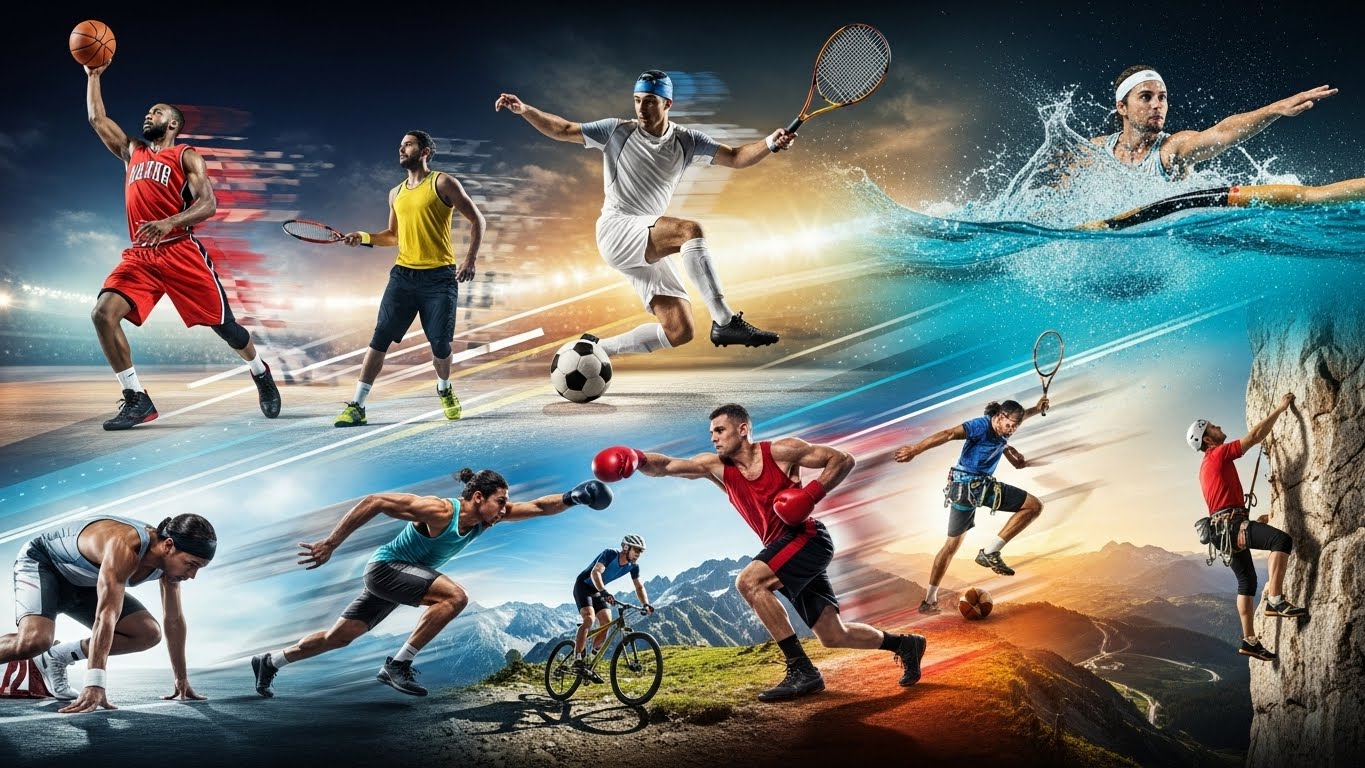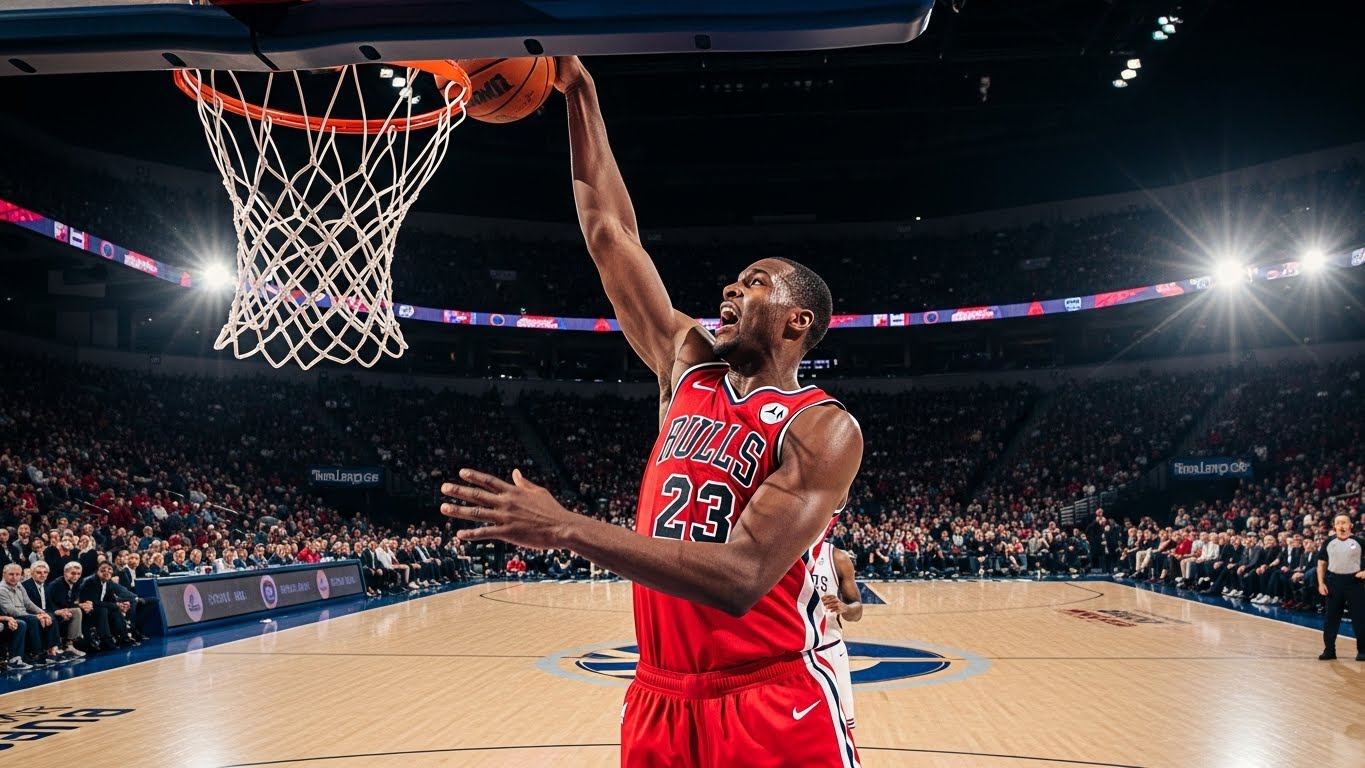
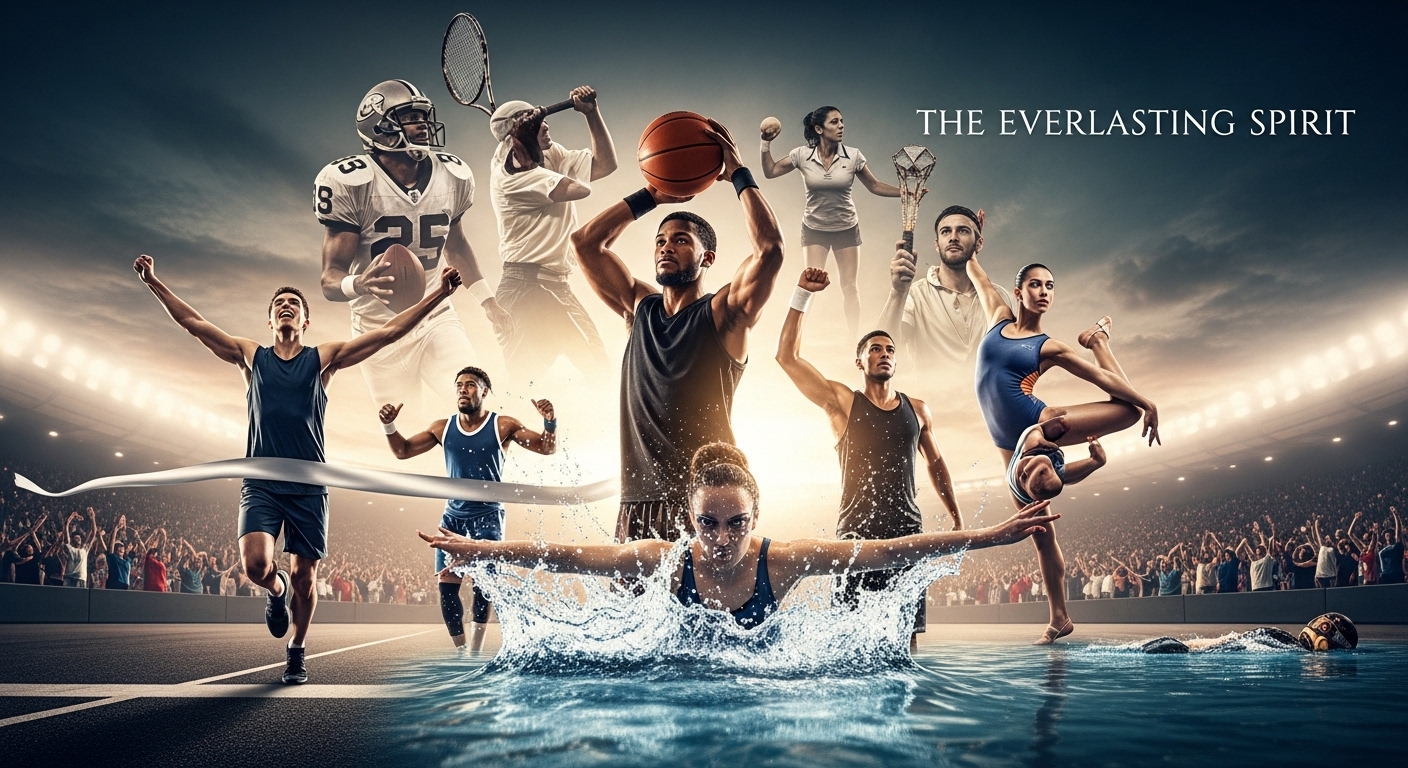
Sports have always been an inseparable part of human life. From the ancient Olympics in Greece to the global spectacles of today, sports have shaped societies, built heroes, and united nations. They embody discipline, teamwork, endurance, and the unrelenting pursuit of excellence. In a world where boundaries often divide, sports remain a universal language understood by everyone — the language of passion and performance. This blog explores the incredible world of sports: its history, impact, values, and how it continues to inspire billions across the globe.
The Origins of Sports
The history of sports dates back thousands of years. Ancient civilizations like Egypt, Greece, China, and Mesopotamia all had some form of organized physical contests. In ancient Greece, sports were deeply tied to religion and culture. The Olympic Games, first held in 776 BC, were not merely competitions; they were celebrations of human strength and the divine favor of the gods. Athletes competed in running, wrestling, chariot racing, and discus throwing, displaying physical excellence as a form of worship.
Meanwhile, in China, early forms of sports like Cuju — a game similar to modern soccer — were played as early as 200 BC. In Egypt, wrestling and swimming were popular, while Mesoamerican civilizations developed ball games that had spiritual and cultural significance. These ancient competitions were the roots of the sports we see today, evolving over centuries into organized, rule-based events that define modern athletics.
The Transformation of Sports Through Time
As societies advanced, sports began to evolve from local traditions into structured activities with universal rules. The industrial revolution played a vital role in this transformation. With urbanization and more leisure time, people began to participate in and watch sports regularly. The 19th and 20th centuries marked the rise of professional sports, where athletes could make a living by competing.
Football, cricket, basketball, tennis, and athletics became household names. Clubs and associations were formed, and sports became organized on national and international levels. The establishment of the modern Olympic Games in 1896 reignited global interest in sportsmanship and international competition. Gradually, sports turned from mere physical activity into a global industry worth billions, influencing culture, media, and even politics.
The Power of Sports to Unite People
One of the most beautiful aspects of sports is its ability to bring people together. Whether it’s a local village tournament or the FIFA World Cup, the excitement, emotions, and shared experiences unite fans across cultures and borders. For a few moments, differences in race, religion, and nationality fade away, replaced by collective joy or heartbreak.
When national teams play, the entire country often stands behind them with pride. A goal scored or a victory achieved can lift the spirits of millions. Think of the Olympics, where athletes from over 200 countries gather under one flag of unity. Despite fierce competition, mutual respect and admiration prevail. Sports create friendships, foster peace, and serve as a bridge between nations. The famous “ping pong diplomacy” between the United States and China in the 1970s is a powerful example of how sports can mend even political divides.
The Spirit of Competition and Sportsmanship
Sports are not merely about winning; they are about how one plays the game. True sportsmanship lies in integrity, respect, and fair play. Athletes who demonstrate humility in victory and grace in defeat are remembered far longer than those who win without honor. The spirit of competition pushes athletes to give their best, but sportsmanship reminds them of the values that make competition meaningful.
Every match, race, or contest teaches lessons of discipline, patience, teamwork, and resilience. Sports have the power to build character and mental strength. They teach individuals to face challenges, accept failures, and never give up. This is why parents, teachers, and leaders often encourage sports participation from a young age — not just to stay fit, but to develop life skills that extend beyond the playing field.
The Rise of Modern Sports Icons
The 20th and 21st centuries have given birth to sporting legends who inspire millions across the globe. From Muhammad Ali’s courage and charisma to Serena Williams’ determination and strength, these icons have transcended their sports to become symbols of hope and empowerment. Their stories are not just about victories and records but about perseverance through adversity.
Athletes like Lionel Messi, Cristiano Ronaldo, LeBron James, and Roger Federer have turned their talents into global phenomena. They represent excellence, but also humanity. They remind us that even the most gifted athletes face struggles, injuries, and criticism, yet continue to chase greatness. Modern athletes are not only performers but also role models, advocates for social causes, and ambassadors of goodwill.
The Role of Technology in Sports
In recent decades, technology has revolutionized the world of sports. From instant replay systems and goal-line technology to wearable fitness trackers and data analytics, technology has improved fairness, performance, and fan experience. Coaches use data to analyze player movements, optimize strategies, and prevent injuries. Fans, on the other hand, enjoy live streaming, virtual reality experiences, and interactive platforms that bring them closer to the action.
Even training methods have become more scientific. Nutrition plans, recovery therapies, and biomechanical analysis help athletes achieve peak performance. Technology has not replaced human skill but has enhanced it. The combination of human talent and technological precision has taken sports to an entirely new level.
Women in Sports: Breaking Barriers and Setting Records
For centuries, women faced barriers in sports participation due to social and cultural restrictions. But over time, they fought for equality, proving that talent knows no gender. Today, female athletes dominate in almost every field — from soccer and tennis to boxing and athletics. Icons like Billie Jean King, Simone Biles, and Megan Rapinoe have become symbols of empowerment and change.
Women’s participation has reshaped the sports landscape. The Women’s World Cup attracts millions of viewers, and female athletes are breaking records and inspiring young girls worldwide. Yet, challenges remain in terms of equal pay, media coverage, and sponsorship. The ongoing efforts toward gender equality in sports represent a broader struggle for fairness and opportunity in society as a whole.
The Psychological Side of Sports
While physical strength and skill are crucial, mental toughness often separates the good from the great. Sports psychology focuses on the mindset of athletes — managing pressure, maintaining focus, and overcoming fear. Champions often speak about visualization, self-belief, and calmness under pressure as keys to success.
Mental health in sports has become a major topic in recent years. Athletes like Naomi Osaka and Michael Phelps have openly discussed their struggles with anxiety and depression, encouraging others to seek help. This shift toward openness and awareness is transforming how we view success — not just as a measure of medals or trophies, but as balance and well-being.
The Role of Sports in Education
Sports play an essential role in education and youth development. Schools and colleges integrate physical education to promote fitness and teamwork. Participating in sports teaches students leadership, responsibility, and time management. Team sports build cooperation, while individual sports encourage self-discipline.
Many great athletes began their journeys on school playgrounds, inspired by teachers and mentors. Even for those who don’t pursue sports professionally, the lessons learned through competition remain lifelong assets. Schools that emphasize sports alongside academics often produce well-rounded, confident individuals.
Sports and National Identity
Sports have always been a source of national pride. Victories in major tournaments become moments of unity and celebration. When an athlete wins a gold medal or a team secures a championship, the entire nation rejoices as one. These moments often transcend politics and economics, creating collective memories that last for generations.
For developing nations, sports can also serve as a platform for global recognition. Success in international competitions brings attention, investment, and respect. Countries like Jamaica, Kenya, and Brazil have built strong national identities around their athletic achievements, showing how sports can elevate a nation’s global image.
The Economic Impact of Sports
Sports are not just a pastime; they are a major global industry. Events like the Olympics, FIFA World Cup, and Super Bowl generate billions in revenue through ticket sales, broadcasting rights, sponsorships, and tourism. Cities hosting these events experience infrastructure growth, job creation, and cultural exchange.
At the same time, professional leagues and clubs have become massive enterprises. Athletes are not only competitors but also brands. Merchandising, advertising, and endorsements have turned sports into one of the most profitable entertainment sectors in the world. However, this commercialization also raises questions about balance — between money and morals, fame and integrity.
Challenges and Controversies in Sports
Despite its many positives, the world of sports is not free from challenges. Issues like doping, corruption, match-fixing, and inequality have tainted its image at times. Scandals involving performance-enhancing drugs have led to debates about ethics and fairness. Governing bodies must constantly evolve rules to ensure transparency and justice.
Racism and discrimination also persist in many arenas. Athletes and fans have taken stands against such injustices, using their platforms to advocate for equality and respect. These movements highlight that sports are not isolated from society — they reflect and influence social values.
The Future of Sports
The future of sports promises exciting possibilities. New technologies like artificial intelligence, augmented reality, and advanced biomechanics will continue to redefine training, viewing, and performance. Esports, or competitive gaming, has emerged as a major force, blurring the line between physical and digital competition.
Sustainability is also becoming a key focus. Major organizations are adopting eco-friendly practices, reducing waste, and building green stadiums. As the world changes, sports will continue to adapt — maintaining its core spirit while embracing innovation.
Why Sports Matter More Than Ever
In a fast-paced world filled with stress and digital distractions, sports remain a grounding force. They promote health, discipline, teamwork, and resilience. They give people purpose, joy, and a sense of belonging. Sports teach us to win with humility and lose with dignity, to respect opponents, and to strive for improvement every day.
At every level — from a child learning to kick a ball to an Olympic athlete standing on the podium — sports represent the essence of human potential. They remind us that effort, not just talent, defines success. And they prove that no matter where we come from, we can all share in the spirit of play, competition, and unity.
Conclusion
Sports are far more than physical contests; they are a celebration of human possibility. They connect people across cultures, inspire generations, and teach values that shape lives. The fields, courts, tracks, and arenas of the world are more than battlegrounds — they are classrooms of character, theaters of dreams, and symbols of hope.
As long as there are people willing to run faster, jump higher, and dream bigger, the spirit of sports will never fade. It will continue to inspire, challenge, and unite humanity — reminding us that victory is not just about crossing the finish line, but about the journey, the effort, and the heart behind every game.