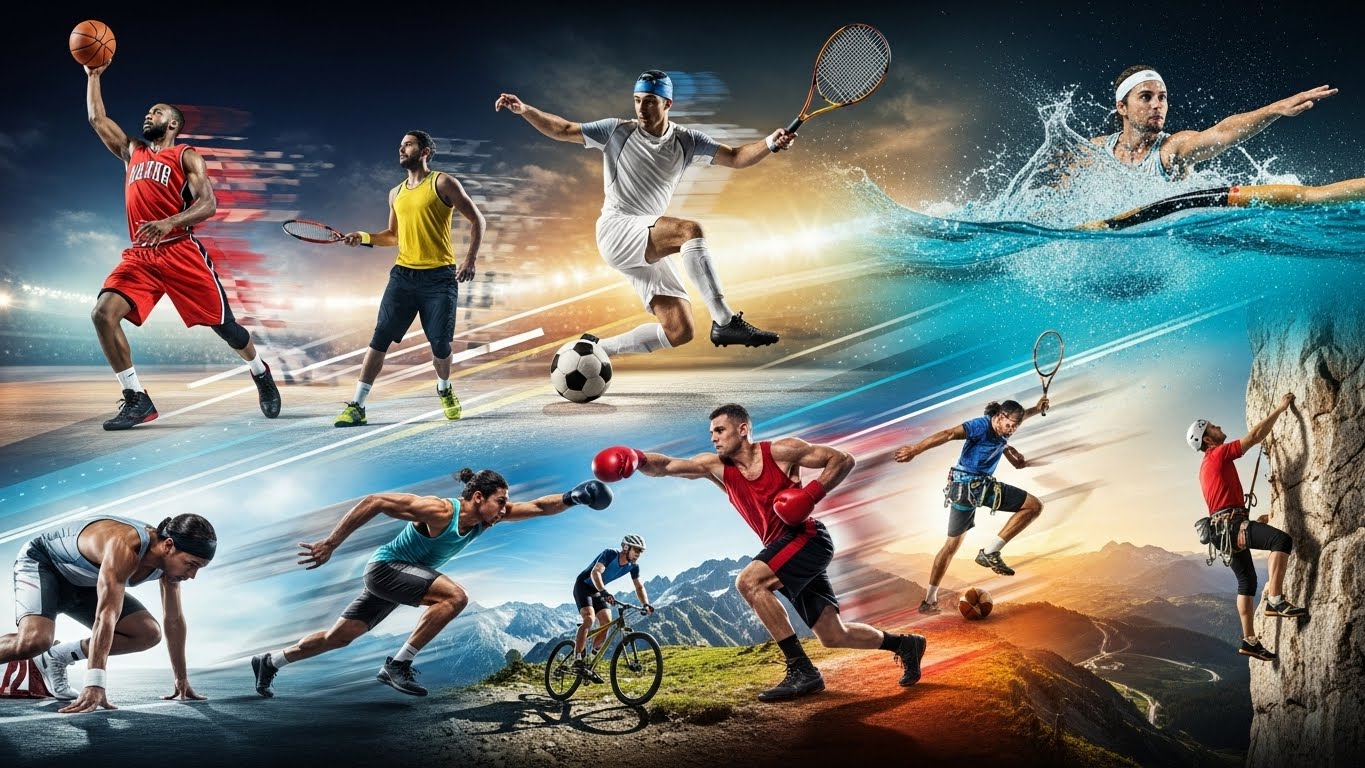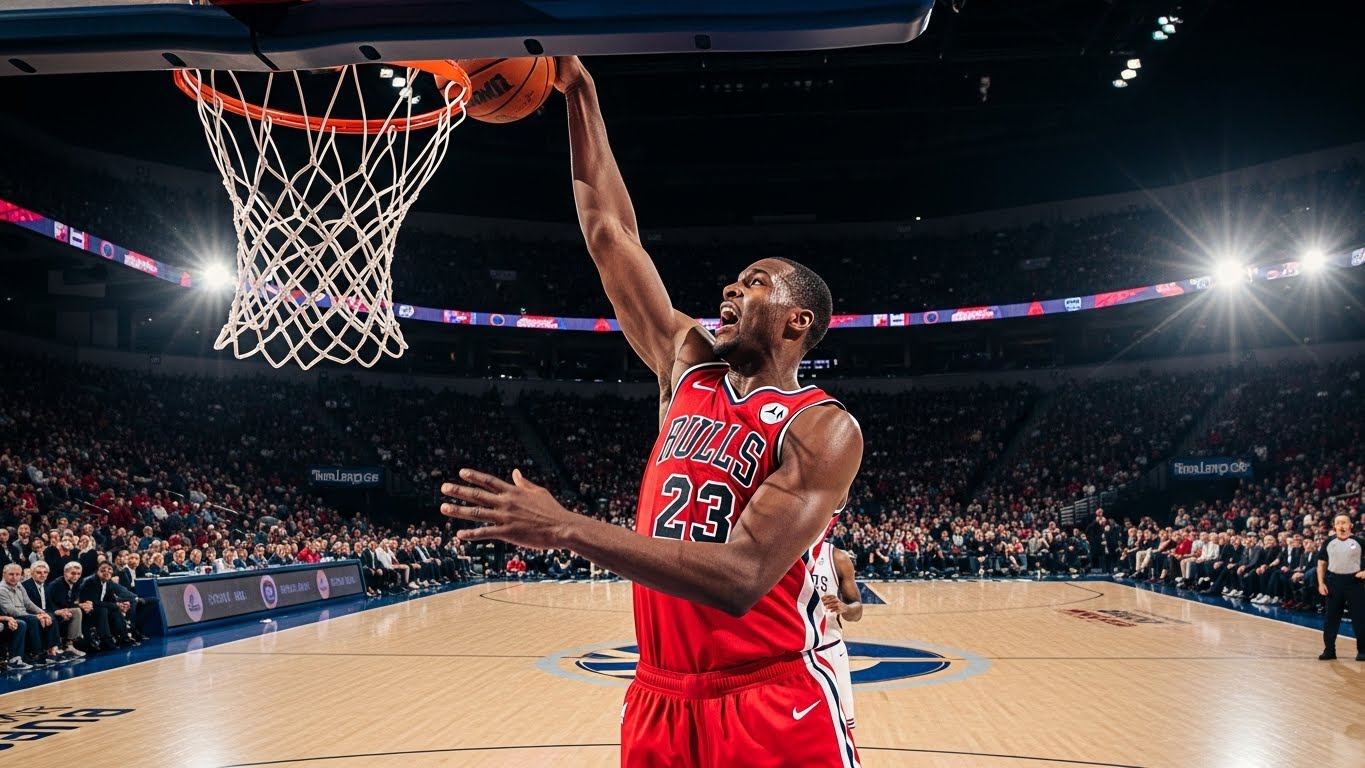
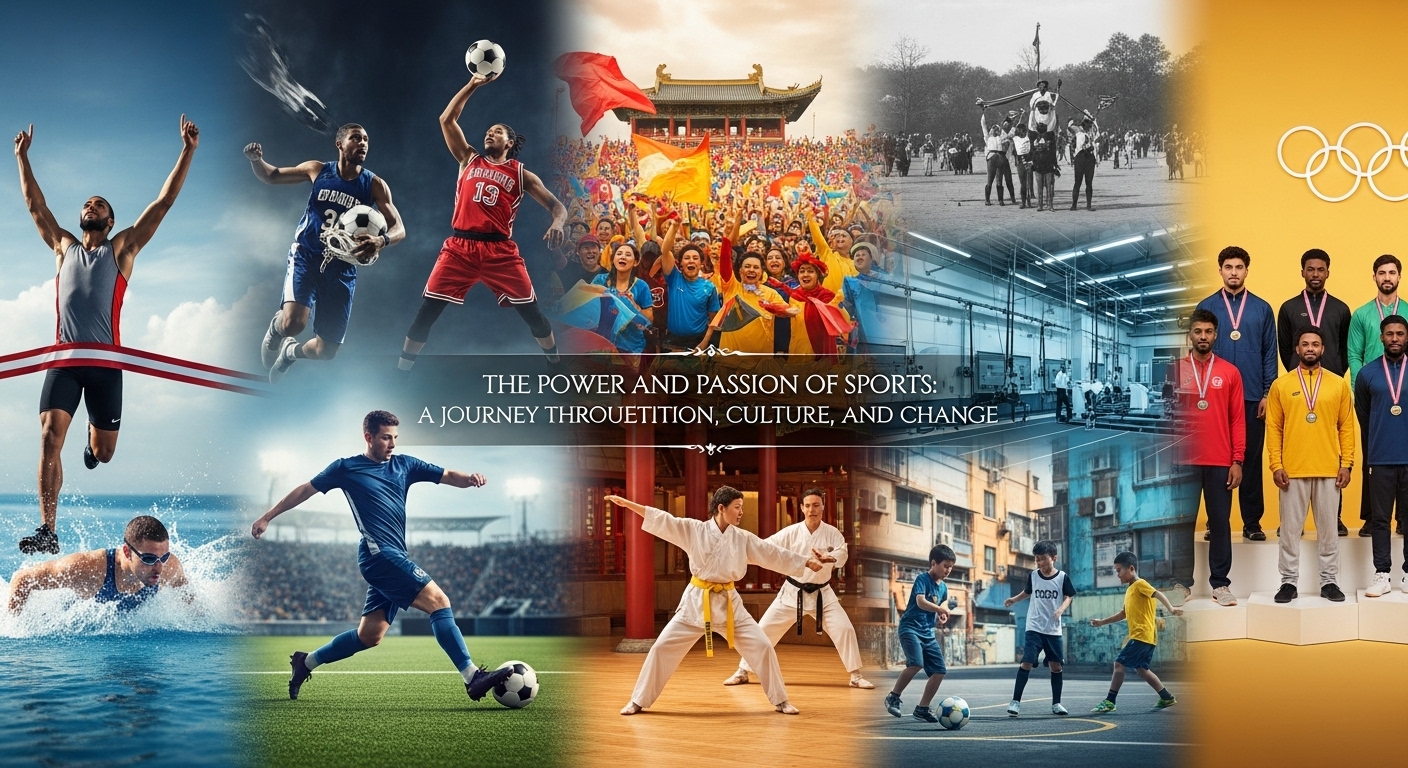
Sports have been a part of human civilization since ancient times, evolving from simple physical contests into a global phenomenon that unites billions of people. Whether it’s the thrill of competition, the celebration of teamwork, or the pursuit of excellence, sports hold a unique place in our lives. They transcend borders, cultures, and languages, bringing people together through shared emotions of victory and defeat. In this comprehensive exploration of sports, we will dive deep into their history, cultural impact, psychological significance, and their role in shaping modern society.
The Origins of Sports
The story of sports dates back thousands of years. Ancient civilizations like Egypt, Greece, Rome, and China had their own versions of athletic contests. The Greeks introduced the Olympic Games around 776 BC, a tradition that continues today as one of the most prestigious sporting events in the world. These early sports were not just about competition but also about honoring gods, demonstrating strength, and showcasing human potential.
In ancient Rome, sports such as chariot racing, gladiator battles, and wrestling were common forms of entertainment. Meanwhile, in China, martial arts and archery were popular among both soldiers and civilians. Indigenous tribes across the Americas also engaged in games that involved physical skill, teamwork, and strategy. These early activities laid the foundation for what we now recognize as organized sports.
The Evolution of Modern Sports
The modern concept of sports began to take shape during the 19th century. With the Industrial Revolution came urbanization and the creation of leisure time for the working class. Schools and universities introduced organized games as part of education, believing that sports built character, discipline, and teamwork.
Football (soccer) was formalized in England in the 1800s, while cricket, rugby, and tennis developed around the same time. The codification of rules and establishment of clubs helped transform sports into structured competitions. The invention of new technologies such as photography and later television further amplified the reach and popularity of sports worldwide.
By the 20th century, international sporting organizations were formed to oversee competitions, such as FIFA for football, the International Olympic Committee for the Olympics, and the International Cricket Council for cricket. These bodies helped standardize rules and create global tournaments that drew massive audiences.
The Psychological Power of Sports
Sports are not only a test of physical ability but also a reflection of mental strength. Athletes must possess focus, determination, and resilience to perform at their best. The psychological aspect of sports plays a vital role in determining success. Visualization, motivation, and confidence are just as important as physical training.
For spectators, sports provide an outlet for emotion and belonging. Supporting a team or athlete creates a sense of identity and community. The highs of victory and the lows of defeat mimic the emotional rollercoaster of life, making sports deeply relatable. The psychology of fandom has been studied widely, showing how collective cheering and emotional investment enhance social bonds.
Sports also promote mental well-being. Participating in regular physical activities releases endorphins, reducing stress and anxiety. Moreover, sports teach valuable life lessons — perseverance in the face of challenges, humility in victory, and grace in defeat.
The Role of Technology in Sports
Technology has revolutionized the world of sports in unimaginable ways. From performance analysis to injury prevention, technological advancements have redefined how athletes train and compete. High-speed cameras, motion sensors, and wearable devices now track every movement, allowing coaches to fine-tune performance strategies.
Video Assistant Referees (VAR) in football, Hawk-Eye in tennis and cricket, and goal-line technology have brought more fairness and accuracy to decisions. Data analytics plays a crucial role in strategy formation, helping teams analyze opponents’ weaknesses and strengths.
Fans, too, benefit from technology through live streaming, social media, and virtual reality experiences that bring the game closer than ever before. Esports — competitive video gaming — has emerged as a new dimension of sports entertainment, blending athletic competition with digital skill.
Sports as a Cultural Phenomenon
Sports reflect the culture, traditions, and values of societies. For example, cricket in India is not merely a sport but a national passion that unites people across languages and regions. In the United States, baseball and American football symbolize teamwork and perseverance. In Brazil, football represents creativity and rhythm, deeply tied to national identity.
The Olympics serve as a grand stage where nations display unity and pride through athletic excellence. Events like the FIFA World Cup, the Super Bowl, and the Tour de France transcend the boundaries of sport, becoming cultural festivals celebrated by millions.
Sports also play a key role in diplomacy and social change. Historic moments such as Nelson Mandela’s use of the 1995 Rugby World Cup to unite South Africa, or the ping-pong diplomacy between the United States and China, illustrate the power of sports to bridge divides and promote peace.
Gender Equality and Women in Sports
For centuries, women faced barriers in sports due to societal norms and lack of opportunities. However, the past few decades have witnessed a transformative shift. Female athletes like Serena Williams, Simone Biles, Megan Rapinoe, and Naomi Osaka have broken stereotypes and inspired millions around the world.
The inclusion of women’s events in major tournaments has been a significant milestone. Organizations are now promoting equal pay, visibility, and sponsorship opportunities for women athletes. The rise of women’s leagues in football, cricket, and basketball shows the growing recognition of female talent and the changing attitudes toward gender equality in sports.
While challenges remain — such as disparities in media coverage and funding — the progress made so far is undeniable. The empowerment of women through sports not only promotes fairness but also serves as a catalyst for broader social equality.
Sports and the Economy
Sports have evolved into a multi-billion-dollar global industry that impacts economies at local, national, and international levels. From ticket sales and broadcasting rights to sponsorships and merchandise, the economic ripple effect of sports is enormous.
Major events like the Olympics and World Cup inject billions into host nations’ economies, creating jobs and boosting tourism. Sports clubs and franchises have become lucrative investments, with global fan bases generating consistent revenue through media and marketing.
Athletes themselves have become global brands. Endorsements, apparel deals, and social media presence contribute to their financial success and influence. Sports also inspire industries such as fitness, nutrition, sports medicine, and technology, further driving innovation and employment.
The Ethics of Sports and the Spirit of Fair Play
Despite its many positives, sports also face ethical challenges. Doping, corruption, match-fixing, and unsportsmanlike conduct threaten the integrity of competition. The use of performance-enhancing drugs remains one of the most controversial issues, as it undermines the principle of fair play.
Governing bodies like the World Anti-Doping Agency work tirelessly to ensure that sports remain clean and credible. Integrity, respect, and honesty are the core values that define true sportsmanship. The essence of sports lies not only in winning but in competing with fairness, dedication, and respect for the opponent.
Athletes who display humility and grace, even in loss, set examples that extend beyond the playing field. They inspire generations to value hard work, discipline, and integrity over shortcuts to success.
Youth and the Future of Sports
Sports play a crucial role in shaping the lives of young people. They teach teamwork, leadership, and the value of effort. Schools and communities that encourage sports create environments where children can grow physically, mentally, and socially.
In the digital era, where sedentary lifestyles are becoming common, sports offer a healthy outlet for energy and creativity. Grassroots programs that provide access to facilities and training are essential to nurturing future athletes. Encouraging inclusivity and participation from all backgrounds helps build a stronger sporting culture.
The future of sports lies in innovation and inclusivity. Emerging trends such as esports, adaptive sports for differently-abled athletes, and sustainable event management are redefining how we view competition and community.
The Globalization of Sports
Sports today are more global than ever before. Athletes cross borders to play for international clubs, while fans follow their favorite teams regardless of geography. The exchange of talent and ideas has enriched sports worldwide, creating a diverse and dynamic environment.
Global tournaments showcase cultural diversity and unity. Athletes become ambassadors of goodwill, promoting understanding and respect among nations. The widespread broadcast of sports has turned local heroes into international icons, inspiring millions to pursue athletic dreams.
The interconnectedness of the sports world also promotes global dialogue about issues such as racism, equality, and environmental sustainability. Sporting organizations are increasingly taking stands on social issues, using their platforms for advocacy and awareness.
The Timeless Appeal of Sports
At its heart, sports remain a celebration of human potential. Whether played on dusty village fields or in massive stadiums, sports capture the essence of what it means to strive, to fall, and to rise again. The timeless appeal of sports lies in their simplicity — the thrill of movement, the beauty of skill, and the joy of participation.
From a child kicking a ball for the first time to a professional athlete standing on the Olympic podium, the journey embodies passion and perseverance. Sports remind us that success is earned, not given, and that every setback is an opportunity for growth.
Conclusion: The Endless Game of Life
Sports are more than just games — they are reflections of life itself. They teach us to aim high, to work hard, and to embrace both victory and defeat with grace. They bring people together, inspire communities, and shape identities. Through every race, match, and competition, we witness the unyielding spirit of humanity.
As we look to the future, the role of sports in society will only grow stronger. They will continue to evolve with technology, challenge social norms, and unite people across differences. The spirit of sports — built on passion, perseverance, and performance — will remain eternal, reminding us that in every game, there lies a story of hope, courage, and the pursuit of greatness.