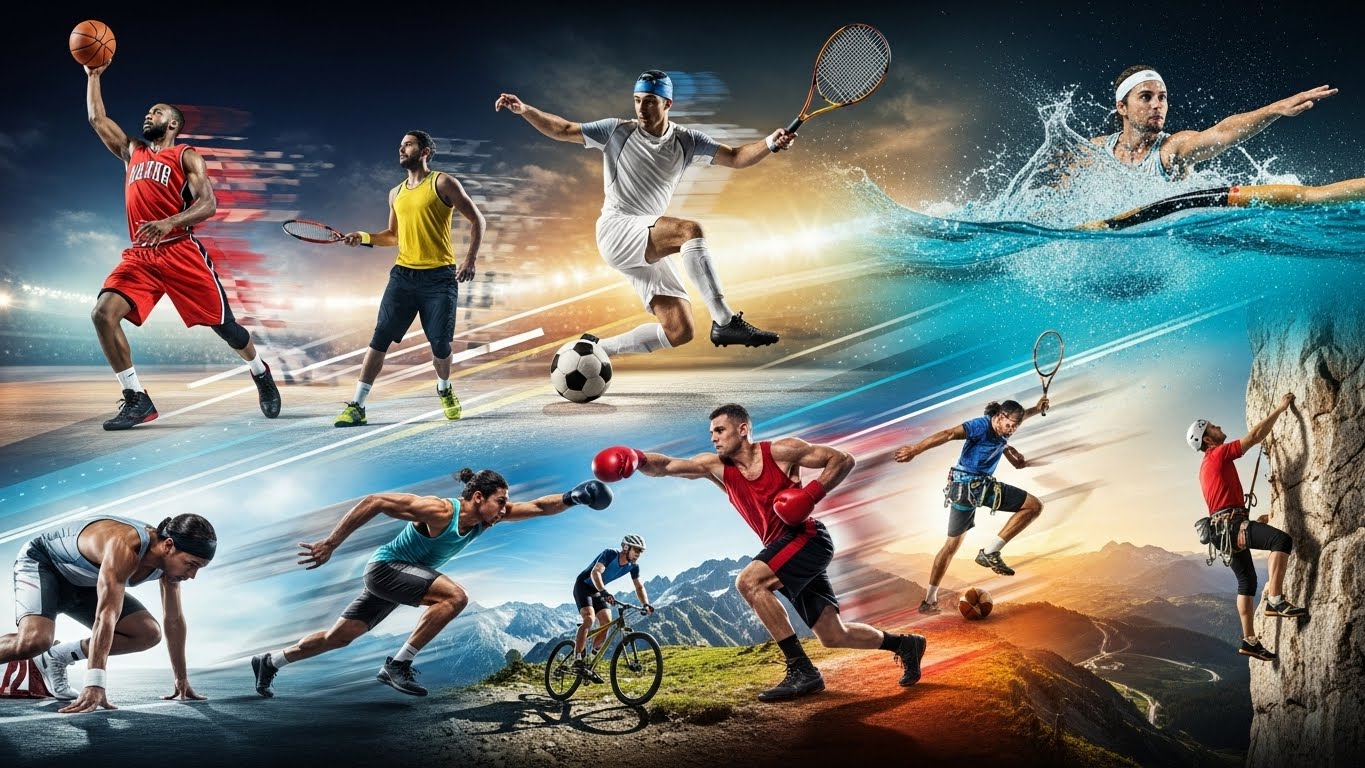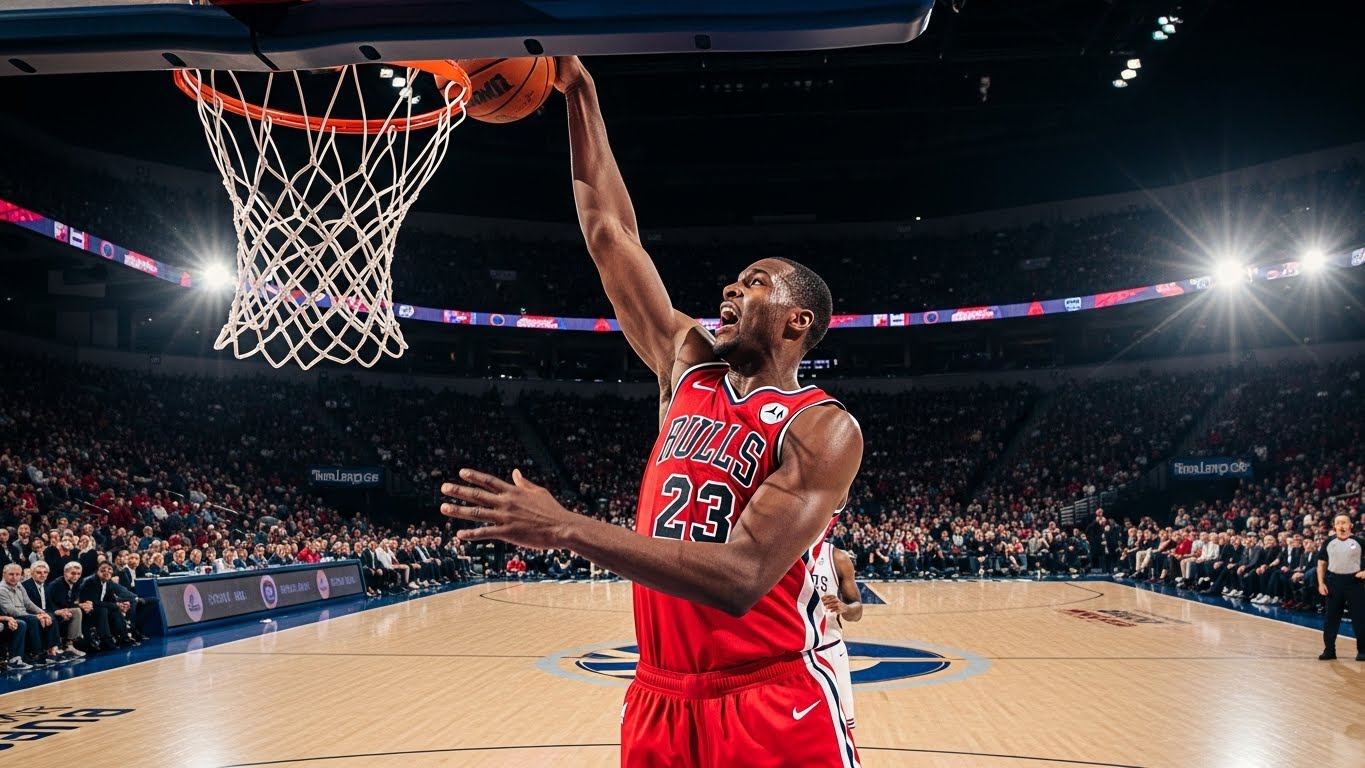
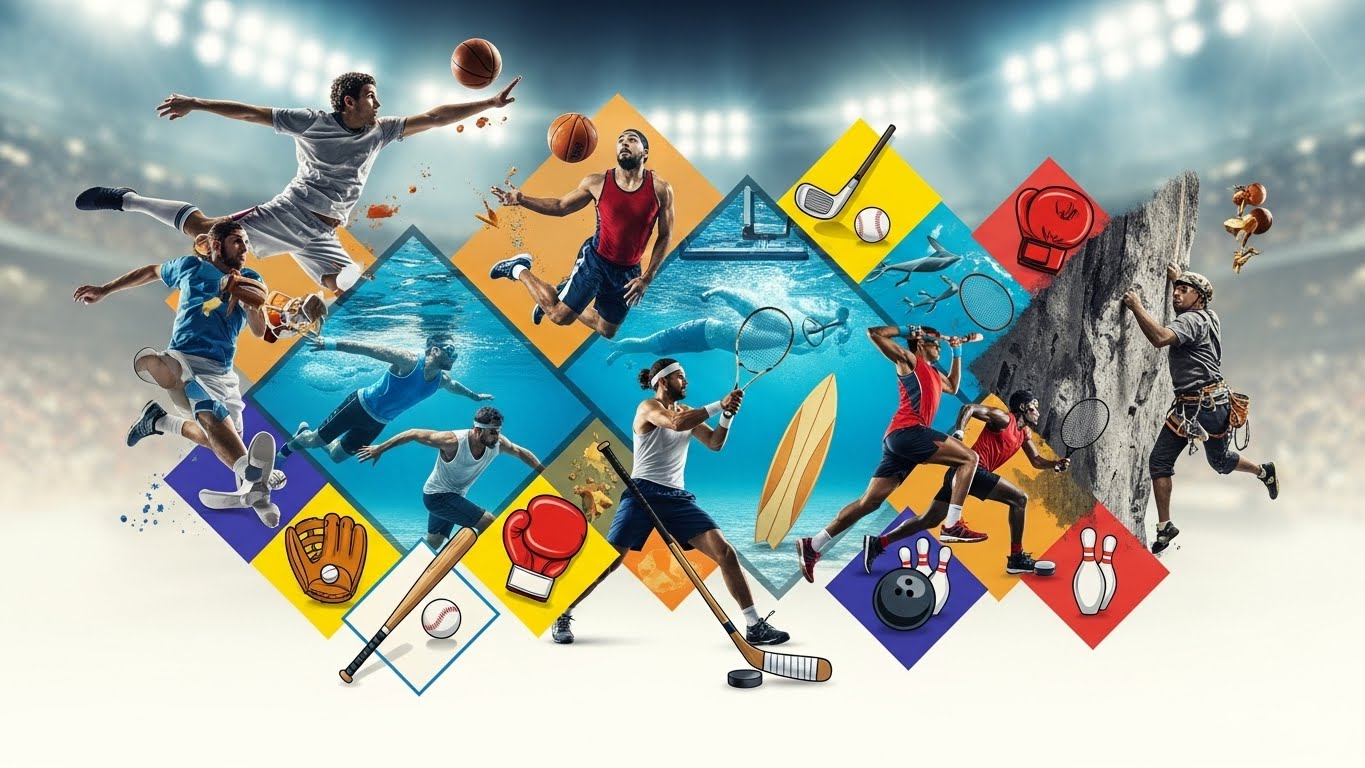
Sports have been an integral part of human civilization for centuries. From ancient Olympic games to modern professional leagues, sports are more than just competition—they are a reflection of society, a source of personal growth, and a global cultural phenomenon. They teach discipline, teamwork, resilience, and leadership while providing entertainment and community engagement. This blog explores the multifaceted world of sports, their impact on individuals and communities, and why they remain a cornerstone of human culture.
The Evolution of Sports Through History
Sports have a long and rich history, dating back thousands of years. Ancient civilizations used sports to train warriors, celebrate religious events, and foster social cohesion. For instance, wrestling, running, and chariot racing were prominent in ancient Greece, while archery and horse riding were essential in many Asian cultures.
The establishment of organized competitions, such as the Olympic Games, marked a significant milestone in the evolution of sports. These events highlighted the value of discipline, fair play, and physical excellence. Over time, sports evolved into professional competitions with structured leagues, standardized rules, and global followings. Today, sports are not only recreational but also a major industry with significant cultural, social, and economic impact.
The Physical and Mental Benefits of Sports
Participation in sports offers numerous physical and mental health benefits. Physically, sports enhance cardiovascular health, strength, flexibility, and coordination. Regular engagement in physical activities reduces the risk of chronic diseases, improves immunity, and boosts energy levels.
Mental health benefits are equally significant. Sports help reduce stress, anxiety, and depression while promoting emotional well-being. They enhance concentration, problem-solving skills, and self-discipline. Team sports foster collaboration, communication, and leadership, while individual sports encourage self-motivation and personal accountability. Through physical exertion and strategic thinking, sports contribute to holistic development, making them an essential part of a healthy lifestyle.
The Role of Teamwork and Discipline
Team sports, in particular, emphasize the importance of collaboration and discipline. Athletes learn to coordinate efforts, share responsibilities, and support one another in pursuit of common goals. These lessons extend beyond the playing field, influencing professional and personal life.
Discipline is another core aspect of sports. Training schedules, nutritional planning, and strategic preparation teach athletes time management, dedication, and perseverance. Learning to balance success and failure in a competitive environment strengthens resilience and fosters a growth mindset, valuable traits for any aspect of life.
Sports as a Cultural Phenomenon
Sports are deeply woven into the fabric of cultures worldwide. They reflect societal values, historical traditions, and national pride. Sporting events often unite communities, transcending language, religion, and social barriers.
For example, international competitions such as the FIFA World Cup, the Olympic Games, and the Super Bowl bring people together in celebration and shared enthusiasm. Fans from different backgrounds experience a collective sense of identity, belonging, and excitement. Sports festivals and local tournaments also strengthen community bonds, fostering social cohesion and civic engagement.
The Influence of Sports on Youth Development
Sports play a crucial role in shaping the character and development of young people. Participation in sports teaches essential life skills such as teamwork, time management, resilience, and goal setting. Youth athletes learn to handle pressure, overcome setbacks, and celebrate achievements.
In addition, sports promote physical fitness and healthy habits from an early age. Exposure to structured training and fair competition instills discipline and a sense of responsibility. Beyond personal growth, sports provide opportunities for scholarships, mentorship, and career pathways, helping young people achieve both athletic and academic success.
Sports and Gender Equality
The rise of women’s sports has been a transformative movement in recent decades. Female athletes now compete at professional levels, participate in international events, and inspire future generations. Women’s achievements in sports challenge traditional gender roles, promote empowerment, and encourage inclusivity.
Despite progress, gender equality in sports still faces challenges such as pay disparities, unequal media coverage, and limited opportunities in certain disciplines. Promoting equitable access, investment, and recognition ensures that sports remain a platform for all, regardless of gender, and strengthens societal values of fairness and equality.
The Business and Economic Impact of Sports
Sports are not only culturally significant but also economically influential. Professional leagues, international tournaments, and local events generate billions of dollars annually through ticket sales, sponsorships, broadcasting rights, and merchandise.
Sports drive economic growth by creating jobs in coaching, media, event management, facility operations, and sports science. Local communities benefit from tourism, infrastructure development, and increased business activity surrounding major sporting events. The sports industry also fuels technological innovation in areas such as performance analysis, broadcasting, and wearable fitness devices, further enhancing its economic and societal impact.
Sports and Technology
Technology has transformed the way sports are played, viewed, and analyzed. Video replay systems, wearable sensors, and performance analytics allow athletes and coaches to optimize training, prevent injuries, and improve performance.
Fans experience sports in new ways through high-definition broadcasting, virtual reality experiences, and interactive applications. Social media platforms provide real-time updates, discussions, and behind-the-scenes access, enhancing engagement and connection. The integration of technology in sports elevates both participation and spectatorship, creating immersive experiences for athletes and audiences alike.
Sports and Mental Toughness
While physical ability is critical, mental toughness is equally important in sports. Athletes face pressure, competition, and setbacks regularly. Success in sports requires focus, confidence, and resilience.
Sports teach coping strategies for stress, the importance of maintaining composure, and the ability to make quick, strategic decisions under pressure. Mental conditioning, visualization techniques, and mindfulness practices are increasingly recognized as essential elements of athletic performance. The lessons of mental strength learned in sports are transferable to career challenges, personal goals, and everyday problem-solving.
Sportsmanship and Ethics in Sports
Sportsmanship is the cornerstone of fair play and ethical competition. Respecting opponents, following rules, and demonstrating integrity are values emphasized in all levels of sports.
Ethical conduct in sports promotes a culture of trust and respect, both on and off the field. It encourages players to compete with honor, celebrate success modestly, and accept defeat gracefully. Coaches, athletes, and organizations play a crucial role in modeling these principles, ensuring that sports remain a force for positive character development and societal values.
Globalization of Sports
Globalization has made sports a universal language. Athletes, teams, and leagues now have worldwide followings, and international competitions foster cross-cultural exchange. Fans can follow their favorite teams, participate in fantasy leagues, and engage with communities across borders.
The globalization of sports also increases opportunities for talent discovery, knowledge exchange, and collaboration. Athletes can compete internationally, gain exposure, and learn new techniques. Fans experience diverse styles of play and sporting traditions, enriching cultural appreciation and understanding through sports.
Sports as a Platform for Social Change
Sports have the power to inspire social change. Athletes often use their platform to advocate for equality, environmental responsibility, mental health awareness, and humanitarian causes. Major sporting events can highlight important social issues and bring global attention to communities in need.
Programs that promote sports participation among underprivileged groups help reduce inequalities and improve social mobility. Sports can unite people around shared values and common goals, proving that athletic engagement is not only about competition but also about positive societal impact.
The Future of Sports
The future of sports is exciting and dynamic. Technological advancements, including artificial intelligence, augmented reality, and virtual reality, will further transform how sports are played, coached, and experienced. Data analytics and wearable technology will optimize performance, prevent injuries, and personalize training.
Inclusivity and accessibility will continue to grow, with greater representation for women, differently-abled athletes, and global communities. Environmental sustainability in sports facilities and events will become increasingly important, reflecting society’s commitment to responsible practices. The evolution of sports promises to blend tradition, innovation, and global engagement in unprecedented ways.
Conclusion: The Enduring Power of Sports
Sports are more than games; they are a reflection of humanity’s aspirations, values, and spirit. They teach discipline, foster resilience, build community, and inspire individuals to achieve greatness. From youth development to professional competition, sports impact lives in profound ways, shaping personal growth, social interaction, and cultural identity.
As society continues to evolve, sports will remain a unifying force, bringing people together across boundaries, celebrating human achievement, and inspiring future generations. Beyond the thrill of competition and the joy of victory, sports embody the ideals of perseverance, teamwork, and integrity. They remind us that through dedication, practice, and passion, we can achieve excellence both on and off the field.
Sports are not just played—they are lived, celebrated, and cherished, making them one of the most enduring and influential aspects of human culture.