
Introduction: More Than Just a Game
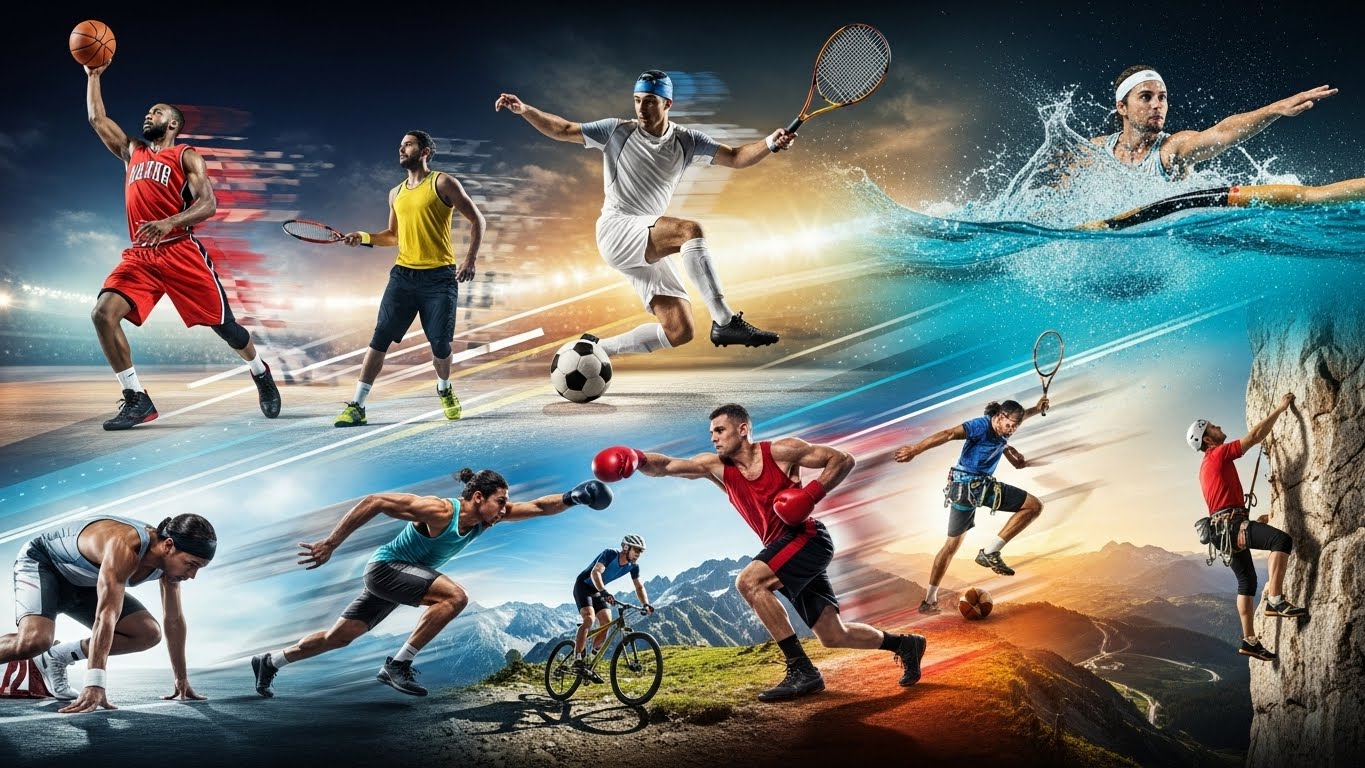
Sports have been an integral part of human culture for centuries, transcending borders, languages, and social classes. From the earliest days of civilization, humans have used physical competition to measure skill, strength, and endurance. Sports are far more than mere games; they are mirrors of human ambition, teamwork, and resilience. They shape our physical health, sharpen our mental faculties, and foster social connections. In modern society, sports have become a universal language, bringing people together in ways that few other activities can.
The Historical Evolution of Sports
The origins of sports can be traced back to ancient civilizations. Early humans engaged in activities such as running, hunting, and wrestling as part of survival. As societies developed, sports evolved into organized events. Ancient Greece introduced structured competitions, giving rise to the Olympic Games, which celebrated physical excellence and personal achievement. During the medieval era, jousting, archery, and other competitions became prominent, often reflecting social hierarchy and skill. The industrial revolution brought leisure time to the masses, enabling sports to spread and flourish globally. Today, sports have evolved into professional leagues, international tournaments, and even digital competitions, blending tradition with innovation.
Physical Benefits of Sports
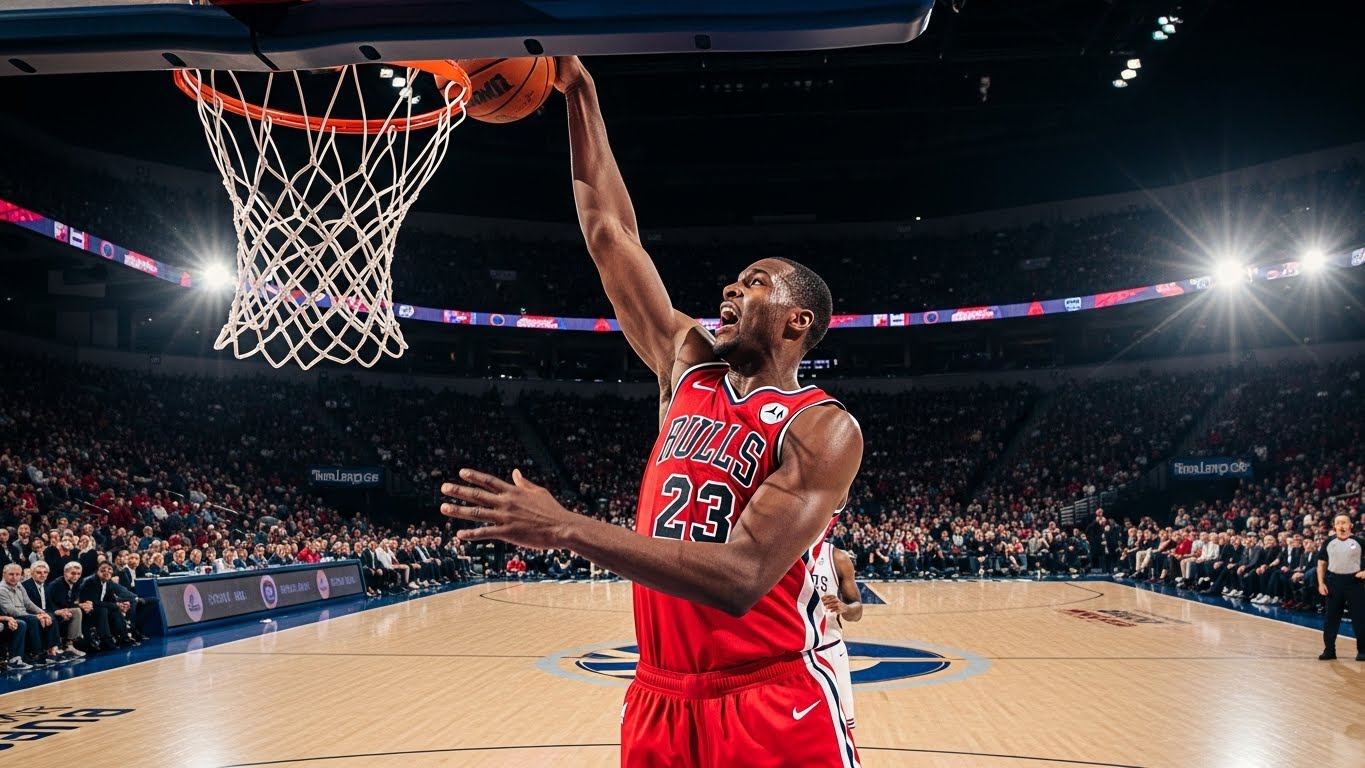
Participating in sports offers unparalleled physical advantages. Activities such as running, swimming, and cycling enhance cardiovascular health and stamina. Strength-training exercises, gymnastics, and team sports like football or basketball improve muscular strength, coordination, and flexibility. Regular participation in sports reduces the risk of chronic illnesses such as obesity, diabetes, and heart disease. For children, sports promote healthy growth, improve motor skills, and instill lifelong habits of fitness. Adults benefit from increased energy, better posture, and overall vitality, while seniors can maintain balance, flexibility, and independence through regular activity.
Mental and Emotional Benefits of Sports
Sports impact not only the body but also the mind. Physical activity releases endorphins, chemicals that reduce stress and enhance mood. Beyond biological effects, sports cultivate discipline, patience, and resilience. They teach participants how to manage pressure, set realistic goals, and persevere through challenges. Facing victory and defeat fosters emotional maturity, helping individuals cope with setbacks in other areas of life. Team sports also promote social interaction and a sense of belonging, which can reduce feelings of isolation and contribute to better mental health.
Sports as a Teacher of Character
Few activities shape character as effectively as sports. Athletes learn responsibility, accountability, and the importance of consistent effort. Teamwork teaches cooperation and the value of collective achievement, while competition instills humility, respect for opponents, and fair play. The lessons learned on the field translate into life skills: persistence in the face of failure, leadership under pressure, and the ability to make strategic decisions. Sports provide a safe environment to test personal limits, build confidence, and develop traits that benefit both professional and personal growth.
The Importance of Teamwork and Collaboration
Team sports exemplify the power of collaboration. Success relies on coordination, communication, and trust among players. Each individual brings unique skills, but achieving a common goal requires synergy. Even in individual sports, athletes depend on coaches, trainers, and support networks. The lessons of teamwork extend beyond sports, fostering stronger relationships, better communication skills, and effective problem-solving in real-world scenarios. The shared pursuit of excellence strengthens community bonds and builds a sense of collective achievement.
Sports as a Cultural Phenomenon
Sports are deeply embedded in cultural identity. They reflect societal values, celebrate heroes, and provide a platform for communal expression. Festivals, tournaments, and local competitions showcase regional traditions, while international events like the Olympics bring global attention to diverse cultures. Sports unite people across divides of nationality, religion, and language, fostering understanding and empathy. They act as a cultural bridge, allowing societies to celebrate differences while embracing a shared passion for athletic achievement.
Economic Significance of Sports
The economic impact of sports is immense. Professional leagues, tournaments, and merchandise generate billions of dollars globally. Sports create employment opportunities in coaching, management, marketing, and media, while infrastructure development for stadiums and training facilities boosts local economies. Community sports programs also contribute economically, supporting small businesses and promoting tourism. The rise of digital sports, including esports, has opened new avenues for income generation and global engagement. Sports are not only a source of entertainment but also a vital driver of economic growth.
Youth Development and Sports
For children and teenagers, sports offer more than just physical exercise. Participation in sports fosters discipline, goal-setting, and leadership skills. Young athletes learn how to balance responsibilities, work collaboratively, and manage time effectively. Sports programs encourage creativity, strategic thinking, and emotional resilience. They provide structured environments where children can develop confidence, navigate social interactions, and explore their potential. By promoting healthy lifestyles and instilling core values, sports contribute to the holistic development of youth and prepare them for adult life.
Women in Sports: Breaking Barriers
The evolution of sports has opened doors for women globally. Female athletes have shattered records, challenged stereotypes, and inspired generations. Women’s participation in competitive sports promotes gender equality, empowerment, and social inclusion. Programs dedicated to female sports provide opportunities for education, career development, and leadership. Representation in sports encourages girls to pursue athletic endeavors, breaking traditional barriers and redefining societal expectations. Women in sports symbolize progress, resilience, and the limitless potential of talent regardless of gender.
Sports and Social Change
Sports can be a powerful instrument for social transformation. They promote inclusivity, equality, and community engagement. Programs targeting underprivileged populations use sports to empower youth, build confidence, and provide constructive alternatives to negative influences. Athletes often advocate for social justice, using their platforms to raise awareness and drive change. Adaptive sports demonstrate that physical challenges do not define human potential. By bridging societal gaps, sports encourage unity, empathy, and collective progress.
Technology’s Role in Modern Sports
Technology has transformed both the playing and viewing of sports. Wearable devices monitor performance, track health metrics, and prevent injuries. Video analysis enhances training, while instant replay ensures fairness in competition. Virtual reality and simulation provide immersive experiences for players and fans alike. Esports and digital competitions have expanded the definition of sports, attracting millions of participants worldwide. Technology continues to innovate how sports are performed, taught, and experienced, ensuring that the world of sports remains dynamic and accessible.
The Emotional Connection Between Fans and Sports
Fans are the heartbeat of sports. Their loyalty, passion, and emotional investment create a unique atmosphere. Supporting a team fosters community, identity, and pride. Fans celebrate victories, endure defeats, and share moments of collective joy and disappointment. The connection extends beyond the stadium, influencing social interactions, family traditions, and cultural identity. Fans’ devotion highlights the deep emotional resonance of sports, proving that the impact of sports extends far beyond the playing field.
The Global Influence of Sports
Sports transcend national and cultural boundaries. International competitions foster diplomacy, cultural exchange, and global understanding. Countries come together to celebrate talent, sportsmanship, and human achievement. Global sporting events generate a shared sense of excitement and unity, transcending language and geographic differences. Sports demonstrate that, despite political or cultural divides, humanity shares a universal appreciation for skill, perseverance, and competition.
Conclusion: The Enduring Power of Sports
Sports are far more than entertainment—they are a reflection of human potential, creativity, and resilience. They shape minds, bodies, and societies, teaching lessons that extend into every aspect of life. From the playground to the professional arena, sports challenge individuals to push boundaries, embrace teamwork, and celebrate achievement. They unite cultures, inspire youth, and drive social and economic progress. In a world that is constantly evolving, the power of sports remains timeless, reminding us that through movement, competition, and collaboration, we can achieve greatness both individually and collectively.