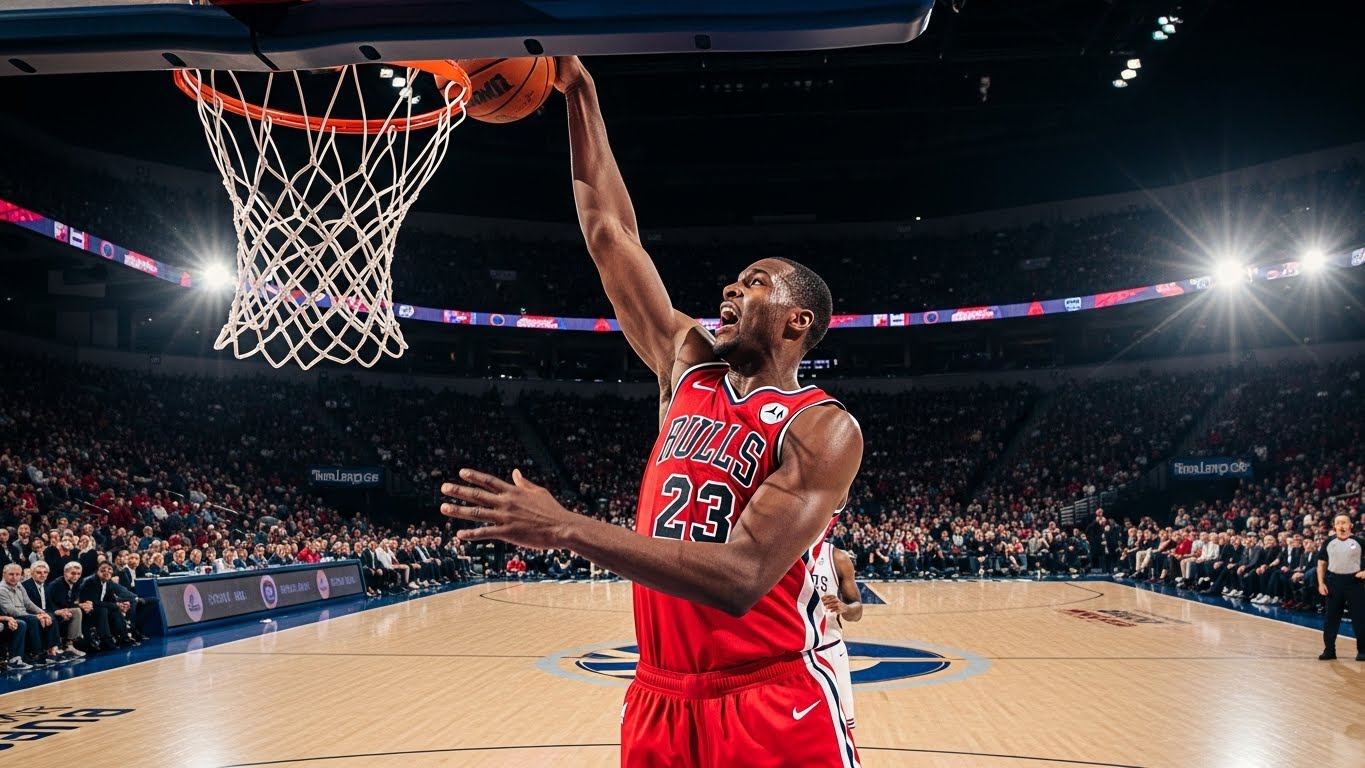

Sports have always been a dynamic reflection of human achievement, perseverance, and teamwork. From the ancient Olympics to modern-day professional leagues, sports have continuously evolved. Yet, as we enter the 21st century, technology is reshaping the landscape of sports in ways we could only dream of a few decades ago. In this blog post, we’ll explore the major innovations in sports and how they are changing the game for athletes, fans, and industries alike.
Data Analytics: The Rise of the Numbers Game
In today’s sports world, performance is no longer just about skill and instinct; it’s about data. Sports analytics has become a game-changer, transforming how coaches, players, and teams approach training, competition, and strategy. With access to detailed statistics, teams can assess player performance in real-time, make better decisions, and identify key trends that influence outcomes.
In basketball, advanced stats like player efficiency rating (PER) and true shooting percentage (TS%) are used to evaluate players’ true value beyond basic metrics like points or assists. Similarly, in football, data analytics helps teams track player movements, anticipate injuries, and even scout potential recruits more efficiently. The use of advanced analytics isn’t just for the elite; it’s being adopted by amateur athletes and recreational sports enthusiasts through fitness trackers and apps to monitor personal performance.
This data-driven approach is revolutionizing sports, giving teams a deeper understanding of performance while offering a level of precision that was once unimaginable. The future of sports is undoubtedly leaning towards a more analytical, data-rich environment.
Wearables and Smart Equipment: Tracking Athletic Performance
Wearable technology has emerged as one of the most impactful innovations in sports today. Devices like fitness trackers, smartwatches, and biomechanical sensors are providing athletes with real-time insights into their physical condition and performance. These wearables track metrics such as heart rate, calories burned, steps taken, sleep patterns, and muscle activity, offering a comprehensive view of an athlete’s health.
In professional sports, wearable technology is used to optimize training, prevent injuries, and improve performance. For example, in soccer, players wear GPS trackers during matches to monitor their speed, distance, and acceleration. These insights are then used to adjust their training regimen and recovery strategies.
Wearable devices are not limited to elite athletes. Everyday fitness enthusiasts are also benefiting from these technologies, as fitness trackers and smart devices allow them to set goals, monitor progress, and stay motivated. This intersection of technology and personal fitness is opening up new possibilities for people of all fitness levels.
Virtual and Augmented Reality: A New Dimension in Training and Entertainment
Virtual Reality (VR) and Augmented Reality (AR) are creating immersive experiences that are redefining both training methods and fan engagement in sports. VR is revolutionizing how athletes train by simulating real-life scenarios without physical limitations. In sports like football, quarterbacks can use VR to practice reading defenses, while basketball players can immerse themselves in game-like situations to enhance their decision-making skills.
In rehabilitation, VR is proving to be a powerful tool for athletes recovering from injuries. It allows them to perform exercises that simulate the motions of their sport, helping them regain strength and mobility faster. VR is also being used to simulate pressure situations, enabling athletes to train under conditions that mimic real-world competition.
On the fan side, AR and VR are transforming the way people experience live events. VR headsets can transport fans to the front row of a game, courtside at a basketball match, or even into the locker room for a behind-the-scenes look. For fans who cannot attend events in person, VR provides an unprecedented level of immersion, making them feel as though they are part of the action.
The Rise of Esports: A New Era of Competitive Gaming
Esports has become a global phenomenon, with millions of fans tuning in to watch competitive gaming events and tournaments. Games like League of Legends, Fortnite, and Counter-Strike have become household names, attracting massive audiences and generating billions of dollars in revenue.
What makes esports unique is that it combines the strategy, skill, and teamwork of traditional sports with the accessibility of digital platforms. Professional gamers are just as dedicated as their counterparts in traditional sports, spending hours every day honing their skills and competing at the highest level.
Esports has also created new opportunities for athletes. Universities now offer scholarships for competitive gaming, and esports athletes can earn lucrative sponsorship deals, similar to traditional athletes in other sports. As the popularity of esports continues to grow, it’s clear that it will become an even bigger part of the sporting world in the years to come.
Smart Stadiums: The Intersection of Technology and Fan Experience
The fan experience at live sporting events is undergoing a significant transformation, thanks to the rise of smart stadiums. These stadiums are equipped with cutting-edge technology that enhances the overall experience for attendees. High-speed Wi-Fi, mobile apps, and digital ticketing systems are just the beginning.
In smart stadiums, fans can order food and beverages from their seats, navigate the venue with ease using interactive maps, and even watch replays from different angles on giant screens. Augmented Reality (AR) is also being integrated into the fan experience. By pointing their smartphones at different parts of the stadium, fans can see real-time stats, player profiles, and interactive content during the game.
Additionally, some stadiums are experimenting with biometric technology, allowing fans to enter the venue and make purchases using facial recognition or fingerprints. These innovations are making the in-person game day experience more convenient, interactive, and personalized than ever before.
The Global Impact of Sports: Bridging Cultures and Uniting Fans
Sports have always had the power to bring people together, but technology is making this global connection even stronger. Social media platforms, live streaming services, and sports apps have made it easier than ever to follow teams, athletes, and events from all over the world. Fans from different countries can engage with each other, share experiences, and celebrate their favorite teams and players.
Technology is also making it possible for fans in remote areas to watch games live, offering an unprecedented level of access to global sports events. From the FIFA World Cup to the Olympics, technology is helping bring the world’s most popular sporting events to the fingertips of millions of people, regardless of where they are located.
The ability for fans to connect across borders and cultures has led to a more inclusive and engaged global sports community. In this way, sports have become a universal language that transcends geographic and cultural differences, fostering a sense of unity and shared passion.
The Future of Sports: Innovation and Tradition Working Hand in Hand
As technology continues to evolve, it will undoubtedly continue to shape the future of sports. From artificial intelligence and robotics to advancements in fan engagement and player performance tracking, the future is filled with exciting possibilities. However, while technology will continue to push the boundaries of innovation, the core values of sports—competition, teamwork, and dedication—will always remain unchanged.
The next generation of athletes, coaches, and fans will have access to tools and experiences that were once the stuff of science fiction. The fusion of tradition and innovation will create a more exciting, engaging, and dynamic sports landscape for years to come. As we look toward the future, one thing is clear: the intersection of technology and sports will continue to redefine what it means to play, watch, and enjoy the games we love.
Whether you’re an athlete pushing the limits of performance, a fan looking for the ultimate experience, or someone just enjoying the game from the sidelines, the future of sports is a thrilling adventure in the making.