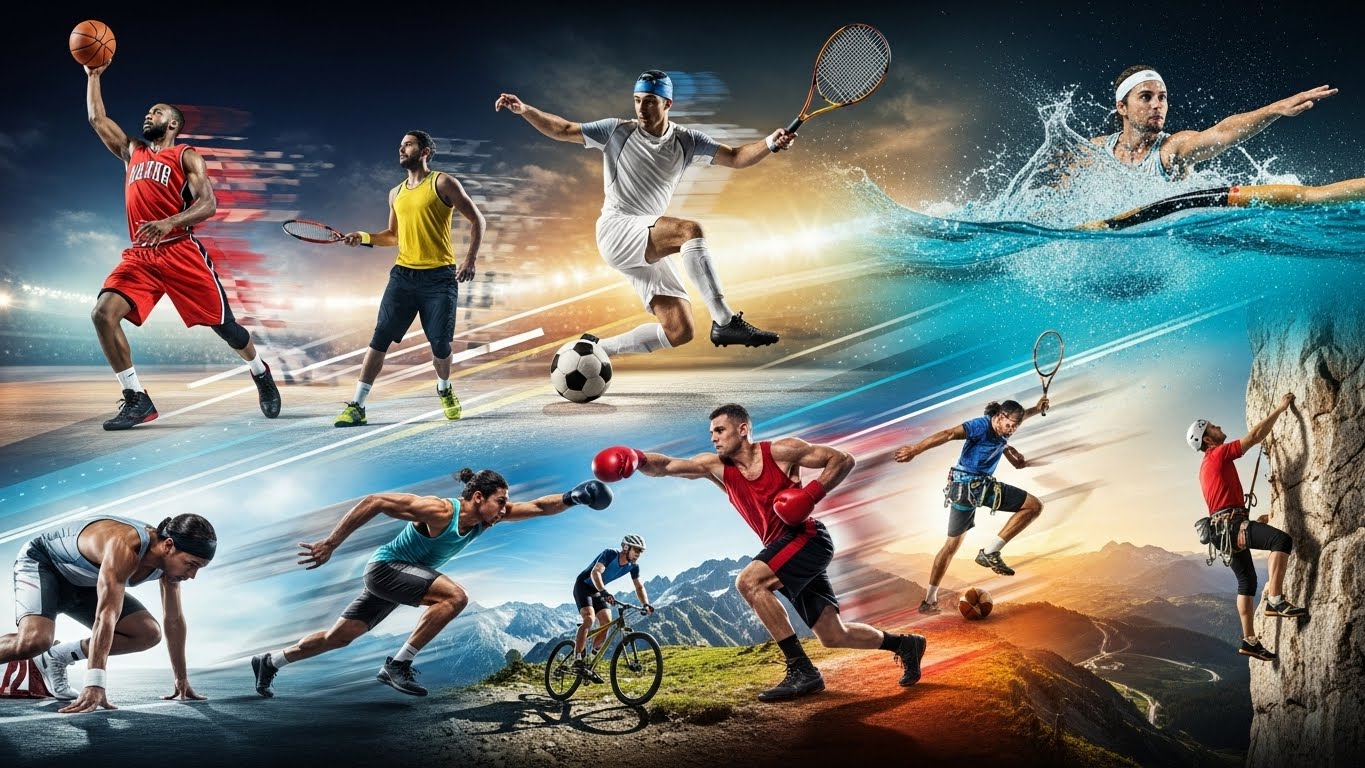
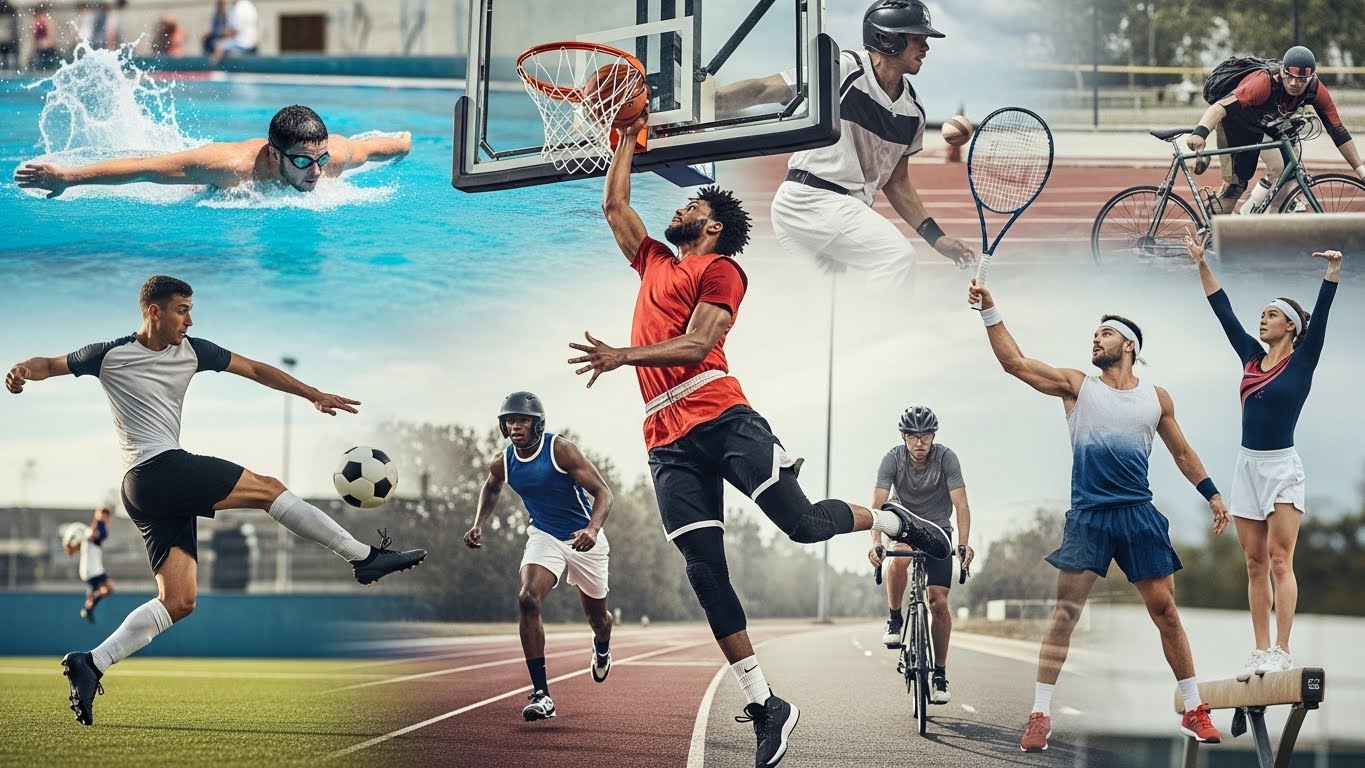
Sports have been an integral part of human civilization for thousands of years, serving as a source of entertainment, competition, and social cohesion. From ancient Olympic Games to modern professional leagues, sports inspire passion, discipline, and unity across cultures and generations. In today’s fast-paced world, sports are more than just physical activity; they are a reflection of culture, technology, and societal values. This blog explores the evolution of sports, major disciplines, cultural impact, technological innovations, challenges, and the future of athletic competition.
The Evolution of Sports: From Ancient Traditions to Modern Competitions
Sports have ancient roots, with evidence of competitive activities found in early civilizations. The ancient Egyptians, Greeks, and Romans organized athletic contests for religious, military, and entertainment purposes. The Olympic Games, first held in Greece in 776 BCE, symbolized athletic excellence, discipline, and unity among city-states.
During the Middle Ages, sports became a form of leisure for both nobility and commoners. Archery, jousting, and hunting were popular among the elite, while folk games and wrestling entertained local communities. The industrial revolution further transformed sports, as urbanization and improved transportation allowed organized leagues and competitions to flourish.
The 20th century marked the rise of professional sports, with the creation of leagues, structured tournaments, and international competitions. Sports became a global phenomenon, broadcasted to millions, shaping national pride and cultural identity. Today, sports encompass a wide range of activities, from traditional team games to individual endurance events, extreme sports, and esports.
Major Sports Disciplines and Their Appeal
Sports are diverse, offering something for everyone. Understanding their categories helps explain their global popularity.
Team Sports
Team sports emphasize collaboration, strategy, and collective effort. Soccer, basketball, cricket, and volleyball are some of the most popular team sports worldwide. They foster communication, teamwork, and leadership, while also providing fans with a sense of community and shared identity. The excitement of scoring, defending, and competing as part of a unit creates intense emotional engagement for players and spectators alike.
Individual Sports
Individual sports, such as tennis, athletics, swimming, and gymnastics, focus on personal skill, discipline, and mental resilience. These sports highlight personal achievement, perseverance, and the drive to excel. Individual athletes often become cultural icons, inspiring others with their dedication and success.
Extreme and Adventure Sports
Extreme sports, including skateboarding, surfing, rock climbing, and snowboarding, appeal to thrill-seekers and adventurers. These activities combine physical skill, courage, and creativity, offering unique experiences that challenge conventional limits. Adventure sports emphasize exploration, pushing boundaries, and connecting with nature in innovative ways.
Combat Sports
Combat sports, including boxing, wrestling, mixed martial arts, and martial arts disciplines, blend skill, strategy, and physical conditioning. These sports not only test strength and agility but also mental toughness, timing, and tactical intelligence. Combat sports have deep historical roots and continue to draw passionate audiences worldwide.
Recreational and Fitness Sports
Recreational sports, including cycling, running, yoga, and fitness training, focus on health, wellness, and personal enjoyment. While less competitive, these activities promote physical and mental well-being, encouraging lifelong participation and fostering healthy lifestyles.
Cultural and Societal Impact of Sports
Sports play a vital role in shaping culture, society, and personal identity.
Building National Pride
International competitions, such as the Olympics, FIFA World Cup, and Commonwealth Games, inspire national pride and unity. Athletes represent their countries, and their success can evoke collective joy and shared identity. Sporting achievements often transcend politics and social divides, creating moments of cultural celebration and inspiration.
Promoting Social Inclusion
Sports provide opportunities for diverse participation, bridging gaps of gender, age, ethnicity, and socioeconomic background. Adaptive sports for individuals with disabilities, community leagues, and youth programs make athletic participation accessible to a wide audience, fostering inclusivity and equality.
Influencing Lifestyle and Health
Sports influence lifestyle choices, encouraging physical activity, healthy habits, and personal discipline. Athletes serve as role models, motivating individuals to adopt fitness routines and prioritize wellness. Recreational sports contribute to mental health, reducing stress and enhancing cognitive function through physical engagement.
Inspiring Values and Ethics
Sports teach essential life skills and values, including teamwork, perseverance, fair play, and resilience. Success in sports often results from consistent effort, practice, and mental toughness, reinforcing lessons applicable beyond athletic performance. Ethical considerations, such as sportsmanship and integrity, also shape character development.
Technology and Innovation in Sports
Modern sports are heavily influenced by technological advancements that enhance performance, safety, and spectator engagement.
Performance Analysis and Wearables
Athletes now use wearable technology, including heart rate monitors, GPS devices, and motion sensors, to track performance metrics. Data-driven insights help improve training, optimize strategy, and prevent injuries, revolutionizing athletic preparation and performance evaluation.
Video Review and Instant Replay
Video technology and instant replay systems ensure fair play and accurate decision-making in competitive sports. Tools like VAR in soccer and Hawk-Eye in tennis allow referees to review critical moments, reducing controversy and maintaining credibility.
Digital Engagement and Broadcasting
Advancements in broadcasting and digital media allow fans to follow sports live, interact online, and access on-demand highlights. Social media platforms, streaming services, and interactive apps enhance engagement, bringing global audiences closer to their favorite athletes and teams.
Equipment and Safety Innovations
Improved sports equipment, protective gear, and training surfaces have enhanced athlete safety and performance. Innovations in footwear, helmets, and playing surfaces reduce injury risk while enabling optimal performance.
Challenges in the Sports Industry
Despite its benefits, the sports industry faces significant challenges that impact players, fans, and organizations.
Doping and Fair Play
The use of performance-enhancing substances undermines fair competition and poses health risks. Sports organizations continually implement testing protocols and educational programs to maintain integrity and athlete safety.
Corruption and Governance
Corruption, match-fixing, and mismanagement threaten the credibility of sports organizations. Transparent governance, ethical leadership, and strict regulations are essential to maintain trust and ensure fair competition.
Financial Pressures
Professional sports involve substantial financial investment, from player salaries to infrastructure and event management. Smaller organizations often struggle with funding, limiting opportunities for talent development and community engagement.
Mental Health and Athlete Well-Being
Athletes face intense pressure to perform, often leading to stress, anxiety, and burnout. Mental health awareness, counseling programs, and supportive environments are crucial for sustaining performance and personal well-being.
The Future of Sports
The future of sports is poised for growth, innovation, and increased accessibility.
Integration of Technology
Emerging technologies, including virtual reality, augmented reality, and artificial intelligence, will enhance training, competition, and fan experiences. VR and AR could provide immersive viewing experiences, while AI will optimize strategies and player development.
Expansion of Global Participation
Sports will continue to expand globally, with increased participation in emerging markets. International collaborations, grassroots programs, and accessible infrastructure will democratize sports, enabling broader engagement.
Sustainability in Sports
Sustainability is becoming a priority in sports events, facilities, and equipment manufacturing. Eco-friendly stadiums, renewable energy use, and sustainable travel practices will minimize environmental impact while maintaining global appeal.
Inclusivity and Adaptive Sports
Inclusive sports initiatives will grow, promoting participation among individuals with disabilities, women, and underrepresented groups. Adaptive sports programs, inclusive leagues, and community initiatives will strengthen sports as a universal activity.
Data-Driven Fan Engagement
Fans will increasingly interact with sports through data, analytics, and digital platforms. Personalized content, interactive apps, and immersive media will redefine the spectator experience, making sports more engaging than ever.
Conclusion
Sports are more than games; they are a reflection of human creativity, perseverance, and community. From ancient athletic traditions to modern professional leagues, sports influence culture, inspire individuals, and bring people together across the globe. The combination of physical skill, strategic thinking, and ethical values makes sports a unique form of personal and social development.
Technological innovation, globalization, and cultural integration are shaping the future of sports, offering immersive experiences, increased accessibility, and sustainable practices. As a universal language, sports transcend barriers of age, nationality, and background, uniting people through shared passion and celebration.
Whether through professional leagues, community programs, recreational activities, or extreme sports, the impact of sports on society is profound and enduring. They are a testament to human potential, resilience, and the timeless pursuit of excellence. The future of sports promises continued growth, innovation, and inspiration, making it an indispensable part of human life and culture.