
The Meaning of Sports
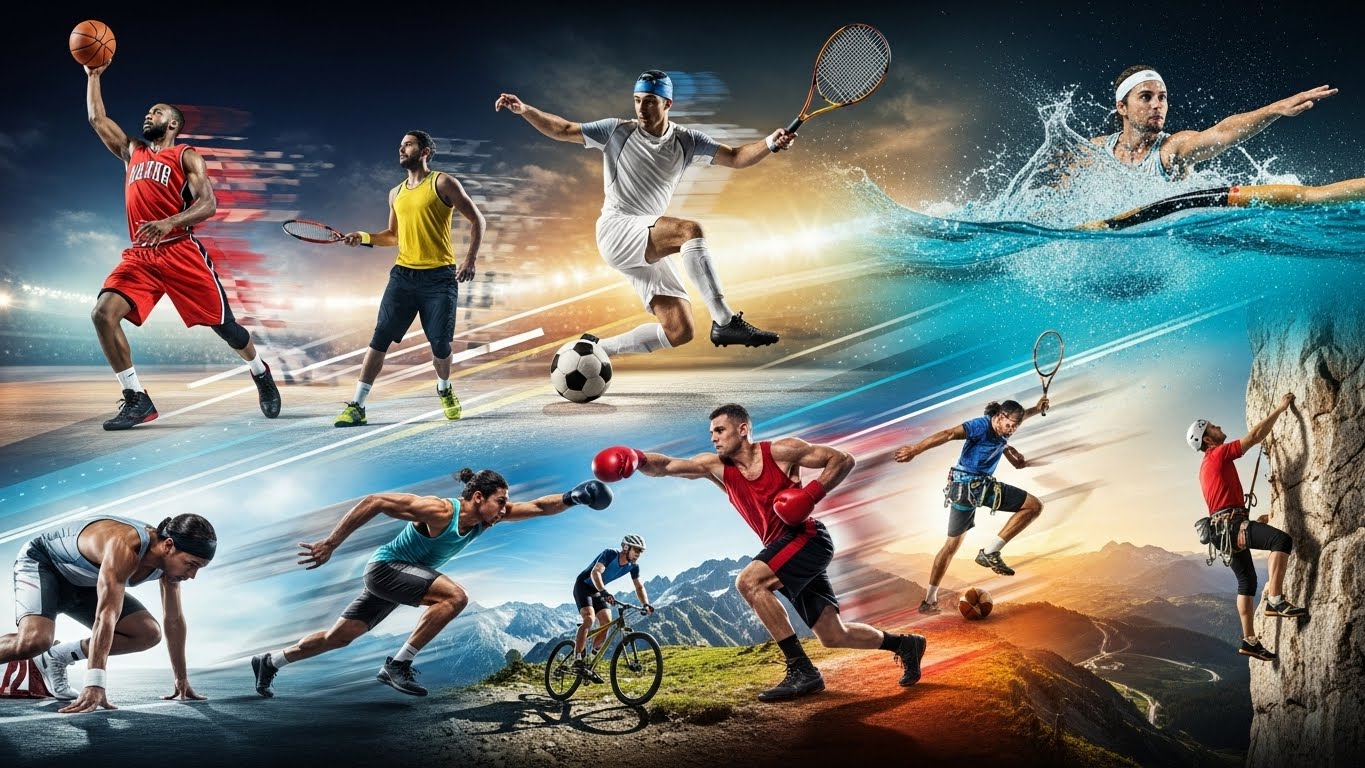
Sports are more than just games; they are a reflection of human spirit, effort, and determination. They teach people the importance of discipline, teamwork, and persistence. Whether it is a child learning to kick a football or an athlete representing their country, sports bring out the best in human potential. They unite people, inspire greatness, and build character both on and off the field.
The Journey of Sports Through Time
From ancient athletic competitions to modern global tournaments, the world of sports has come a long way. Early societies used sports as a form of entertainment, skill development, and cultural expression. Over time, organized sports emerged with rules, teams, and professional athletes. Today, sports have become a universal language that connects people from all corners of the world, breaking barriers of race, religion, and nationality.
The Role of Teamwork and Dedication
Teamwork lies at the heart of every sport. It teaches individuals how to cooperate, communicate, and trust each other to achieve a shared goal. Success in sports is never just about one player; it is about the combined effort of a team working in harmony. Alongside teamwork, dedication is the key to success. Behind every victory are countless hours of training, focus, and sacrifice that shape champions.
Sports and Personal Development
Playing sports helps in developing both the body and mind. Physical activity improves fitness and health, while competition enhances confidence and leadership skills. Sports teach valuable lessons about handling success and failure gracefully. They encourage discipline, patience, and the ability to overcome challenges—qualities that extend far beyond the playing field and into everyday life.
The Social Impact of Sports
Sports have the incredible ability to unite societies and inspire change. Major sporting events bring nations together in celebration and pride. Athletes often become role models, motivating millions through their achievements and determination. Beyond entertainment, sports also promote inclusion and equality, giving everyone—regardless of age, gender, or background—a chance to participate and shine.
Technology in Modern Sports
Technology has become a major part of modern sports. Advanced equipment, data analysis, and digital broadcasting have improved performance and made sports more engaging for fans. Instant replays ensure fair play, while wearable technology helps athletes monitor and enhance their training. These innovations have not only made sports more accurate but also more exciting to watch and experience.
Challenges in the Sporting World
Despite its many positives, the world of sports faces challenges such as pressure on athletes, injuries, and issues of fairness. Mental health and ethical concerns have become important discussions in recent years. Addressing these challenges is vital to ensure that sports remain a healthy, inclusive, and inspiring platform for all.
The Future of Sports
The future of sports looks bright and full of possibilities. With growing awareness, better training methods, and new forms of competition like esports, sports are evolving rapidly. The focus on equality, innovation, and global participation will continue to strengthen the role of sports in society. No matter how much the world changes, the passion and energy of sports will always remain the same.
Conclusion
Sports are not just about winning trophies or setting records—they are about the journey, the effort, and the joy of participation. They remind us of the power of teamwork, the beauty of determination, and the strength of unity. As long as there are people who love to play and compete, the spirit of sports will continue to inspire generations to come.