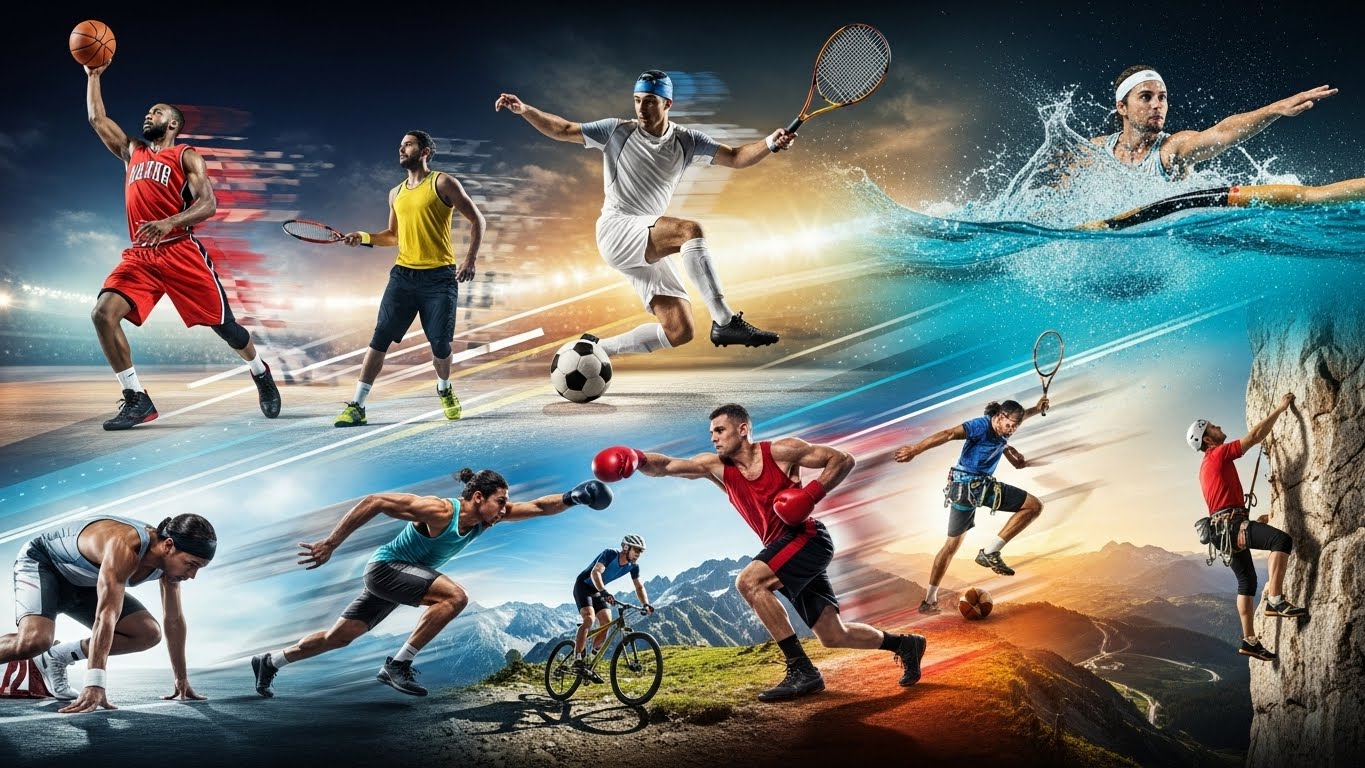
Sports have always been an essential part of human culture, transcending boundaries of geography, language, and race. From the grassroots level to the international stage, sports have the unique ability to bring people together. While they might seem like mere competitions, the impact of sports reaches far beyond the field, court, or track. Whether it’s fostering personal growth, promoting community cohesion, or acting as a catalyst for societal change, sports play a critical role in shaping our world.
Sports: A Universal Language
One of the most remarkable aspects of sports is its ability to unite people from diverse backgrounds. Whether you’re watching a local football game or the World Cup final, the language of sports is universally understood. The excitement, the tension, the cheers, and the heartbreak are emotions that transcend nationalities, cultures, and languages.
In countries where people may speak different languages, sports become a common ground for communication. A simple nod or high-five between two fans of opposing teams is a testament to how sports bridge divides. International tournaments like the Olympics or FIFA World Cup highlight this sense of unity, bringing together athletes and spectators from across the globe, proving that sport is a shared passion that knows no borders.
The Role of Sports in Building Character
At its core, sports are an arena for personal development. The lessons learned on the playing field go far beyond technical skills or athleticism. Participating in sports teaches valuable life skills such as teamwork, leadership, discipline, and resilience. Whether playing a team sport or participating in individual events, athletes learn how to push themselves beyond their comfort zones and strive for improvement.
Team sports, in particular, highlight the importance of collaboration. Every player, regardless of their position or skill level, has a crucial role to play. Success is not just about individual brilliance but about working together towards a common goal. These experiences build empathy, trust, and camaraderie among players—traits that are essential in both professional and personal life.
Equally important is the development of mental toughness. Athletes face losses, injuries, and failures, and it’s through these challenges that they learn perseverance. The ability to get back up after a defeat and continue striving towards success is a characteristic that athletes often carry throughout their lives, whether in their careers or personal endeavors.
Sports as a Tool for Social Change
Sports have long been at the forefront of social movements and have played a pivotal role in advancing social justice causes. From Jackie Robinson breaking the color barrier in baseball to Billie Jean King advocating for gender equality in tennis, athletes have often used their platform to challenge societal norms and fight for what is right.
In recent years, the influence of sports on social change has become even more prominent. Athletes like Colin Kaepernick and Serena Williams have used their fame to highlight issues such as racial inequality and gender discrimination. Through acts of protest, advocacy, and education, they have shown how sports can be a powerful tool for raising awareness and inspiring action.
Moreover, sports can help combat prejudice by providing a space where individuals of all backgrounds can interact, share experiences, and build understanding. In this sense, sports are not just about playing games—they are about creating a more inclusive, equitable society.
Health and Well-Being: More Than Physical Fitness
While sports are often associated with physical health, their benefits extend to mental and emotional well-being as well. Regular participation in sports promotes cardiovascular health, builds muscle strength, and helps manage weight. Engaging in physical activities is one of the best ways to combat the rise of lifestyle diseases like diabetes, obesity, and heart disease.
Yet, the mental health benefits are just as significant. Exercise through sports is known to release endorphins, which improve mood and reduce stress. For many, the act of playing sports is not only a way to stay fit but also a form of stress relief. The focus and concentration required in sports can be a welcome escape from the pressures of daily life, providing a sense of accomplishment and relaxation.
Additionally, the social aspect of sports—the camaraderie with teammates and the community support—can foster a sense of belonging and reduce feelings of isolation. Whether playing in a local league or supporting a favorite team, the shared experience of sports creates connections that can positively impact mental health.
The Future of Sports: Embracing Innovation and Diversity
Looking forward, the future of sports holds exciting possibilities. As technology continues to evolve, sports are becoming more interactive and immersive. Virtual reality, augmented reality, and advanced analytics are changing how fans experience sports, and how athletes train and compete. Fans can now watch games in 360-degree formats, interact with players in new ways, and even experience simulations of live events from their homes.
Moreover, the future of sports is increasingly inclusive. Women’s sports, once sidelined in terms of coverage and investment, are gaining the recognition they deserve. The rise of women’s soccer, basketball, and tennis is just the beginning of a broader cultural shift that is challenging outdated gender stereotypes and advocating for equality in sports. Similarly, adaptive sports for athletes with disabilities are growing, providing more opportunities for everyone to participate in and enjoy sports.
In terms of participation, sports are becoming more diverse, welcoming athletes from all walks of life. Whether it’s through community programs aimed at youth from underserved areas or initiatives that promote sports in schools, there is a growing effort to ensure that people of all backgrounds have the opportunity to engage in sports.
Conclusion: The Endless Impact of Sports
Sports are far more than just games—they are a powerful force for good in the world. They teach life lessons, promote health, and serve as a vehicle for social change. They unite people from different corners of the globe and provide a platform for individuals to make a difference. In a world often divided by differences, sports have the unique ability to bring people together in ways that few other activities can.
As we continue to see the transformative effects of sports, it’s clear that their value extends beyond the scoreboard. Whether you’re an athlete, a fan, or simply someone who enjoys a good game, it’s impossible to deny the profound impact sports have on individuals and society as a whole. Sports inspire us to be better, to work together, and to strive for a more inclusive and just world.