
Introduction: More Than Just a Game
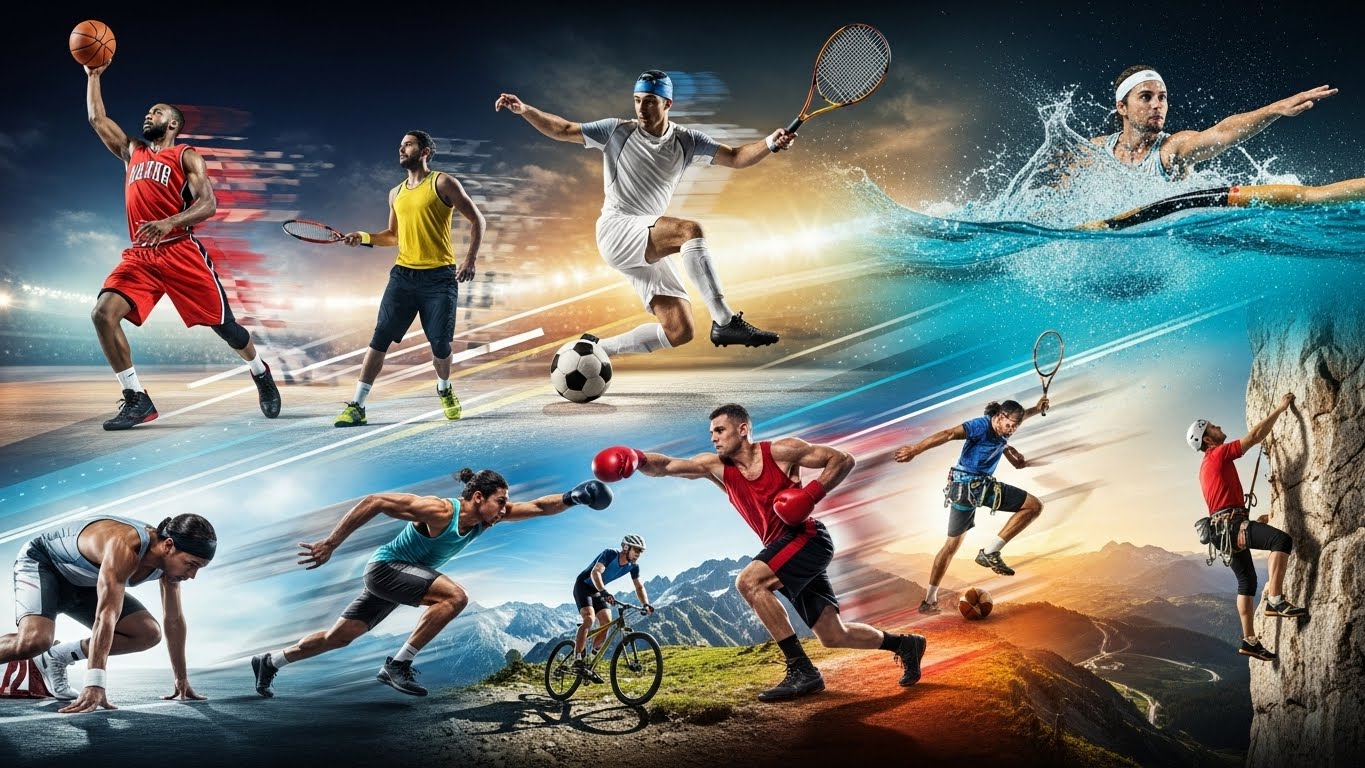
Sports have been an integral part of human civilization for centuries. From ancient Olympic contests to modern-day international tournaments, sports have served as a mirror of society, reflecting our values, ambitions, and collective spirit. While many see sports simply as a source of entertainment or a competitive activity, their significance extends far beyond the playing field. Sports are a conduit for personal growth, social bonding, cultural exchange, and even economic development. In this post, we will explore how sports shape individuals, communities, and nations while fostering resilience, discipline, and unity.
The Physical Benefits of Sports
The most obvious advantage of sports is the improvement of physical health. Regular participation in sports helps maintain cardiovascular fitness, muscular strength, and overall flexibility. Engaging in sports reduces the risk of chronic illnesses such as obesity, diabetes, and heart disease. For children and adolescents, involvement in sports encourages proper growth, coordination, and motor skill development. Adults benefit from enhanced stamina, endurance, and the ability to maintain a healthy weight. Beyond these physical gains, sports also contribute to better sleep patterns, improved metabolism, and increased energy levels, making them an indispensable part of a healthy lifestyle.
Mental Health and Emotional Wellbeing
While physical benefits are apparent, the mental and emotional impact of sports is equally profound. Playing sports helps reduce stress, anxiety, and depression by releasing endorphins, the body’s natural mood enhancers. Team sports, in particular, foster a sense of camaraderie, belonging, and mutual support, which can help alleviate feelings of loneliness and social isolation. Sports also teach emotional resilience. Athletes learn to manage pressure, cope with failure, and celebrate small victories, skills that are transferable to everyday life challenges. In essence, sports act as a mental and emotional stabilizer, promoting a balanced and positive mindset.
Character Development and Life Skills
Participation in sports goes beyond physical prowess; it is a powerful tool for character development. Discipline is one of the most critical traits nurtured through sports. Regular practice, strict adherence to rules, and maintaining a training schedule teach individuals the importance of consistency and responsibility. Sports also cultivate leadership and teamwork skills. Athletes learn how to communicate effectively, support teammates, and make strategic decisions under pressure. These experiences build confidence, accountability, and a strong work ethic, all of which contribute to personal and professional growth.
Sports as a Social Connector
One of the most remarkable aspects of sports is its ability to bring people together. Stadiums, playgrounds, and community centers become hubs of interaction, where people of different backgrounds unite under a common passion. Spectators and players alike develop shared experiences and memories, strengthening social bonds. In many cultures, sports serve as a platform for community building, breaking down social barriers and fostering inclusivity. This unifying power of sports is especially evident during major events like national championships or international tournaments, where collective enthusiasm transcends differences in language, culture, and ideology.
The Economic Impact of Sports
Sports are not only socially and physically beneficial but also economically significant. Professional sports generate revenue through ticket sales, merchandise, broadcasting rights, and sponsorship deals. Major sporting events stimulate local economies by attracting tourists, creating jobs, and promoting infrastructure development. For instance, hosting an international sporting event can lead to long-term improvements in transportation, accommodation, and public services. Moreover, the sports industry offers diverse career opportunities ranging from coaching and athletic training to sports marketing, journalism, and administration, highlighting its multifaceted economic relevance.
Sports and Education
Sports and education are deeply intertwined. Many educational institutions incorporate sports programs as a core component of their curriculum, recognizing that physical activity enhances cognitive function and academic performance. Student-athletes often display better time management, focus, and problem-solving skills. Moreover, scholarships and sports-based programs provide opportunities for talented individuals to pursue higher education who might otherwise lack the financial means. By integrating sports into education, societies can nurture well-rounded individuals who excel both on and off the field.
Global Diplomacy Through Sports
Sports have historically served as a vehicle for diplomacy and international relations. Sporting events often foster goodwill between nations, offering a neutral ground for cultural exchange and mutual respect. Instances of sports diplomacy can be seen in initiatives like international youth tournaments, peace matches, and collaborative training programs. The ability of sports to transcend political tensions and unite people around shared values underscores its significance as a soft power tool in global diplomacy.
Technological Advancements and Sports Innovation
The intersection of sports and technology has revolutionized how games are played, viewed, and analyzed. From advanced training equipment and wearable fitness trackers to instant video analysis and virtual reality simulations, technology has elevated athletic performance and fan engagement to new heights. Data analytics now play a pivotal role in strategy formulation, player scouting, and injury prevention. Additionally, online platforms allow fans to follow their favorite teams and athletes in real-time, fostering a global sports community that was unimaginable a few decades ago.
Inspiring Stories and Role Models
Sports inspire millions of people worldwide through the stories of perseverance, determination, and triumph. Athletes who overcome adversity to achieve greatness serve as role models, motivating others to pursue their dreams relentlessly. These stories demonstrate that success is often the result of hard work, discipline, and resilience, not just innate talent. By highlighting such narratives, sports teach valuable life lessons about courage, sacrifice, and the pursuit of excellence.
The Role of Sports in Health Awareness
Sports also play a significant role in promoting health awareness. High-profile athletes and sports organizations often advocate for healthy lifestyles, nutrition, mental wellbeing, and preventive healthcare. Campaigns and events centered around sports can educate communities about the importance of physical activity and holistic health practices. This dual role of entertainment and education positions sports as a powerful vehicle for positive societal change.
Challenges and Ethical Considerations in Sports
While the benefits of sports are immense, the field is not without challenges. Issues such as doping, corruption, commercialization, and the intense pressure on young athletes pose ethical dilemmas. Addressing these concerns requires robust regulatory frameworks, education, and a commitment to fair play. Ethical sportsmanship not only preserves the integrity of competition but also ensures that the transformative potential of sports remains accessible to all participants.
The Future of Sports
Looking ahead, the future of sports promises to be more inclusive, innovative, and globally connected. Emerging trends such as adaptive sports for individuals with disabilities, e-sports, and mixed-gender competitions are redefining the traditional boundaries of athletic engagement. Furthermore, increased awareness of sustainability is prompting sporting events and organizations to adopt eco-friendly practices, ensuring that sports contribute positively to the environment. The integration of artificial intelligence, virtual reality, and other technological advancements will continue to shape training, performance, and fan experiences, making sports more dynamic and accessible than ever.
Conclusion: Sports as a Catalyst for Growth
In conclusion, sports are far more than mere games or competitions. They are a powerful catalyst for physical, mental, and emotional growth, while simultaneously fostering social cohesion, economic development, and global understanding. The values instilled through sports—discipline, resilience, teamwork, and integrity—extend beyond the field and enrich everyday life. As individuals and societies continue to embrace sports, they unlock opportunities for personal transformation, community building, and cross-cultural connection. The enduring appeal of sports lies in their ability to inspire, challenge, and unite us, proving that their impact resonates far beyond the final score.