
Introduction
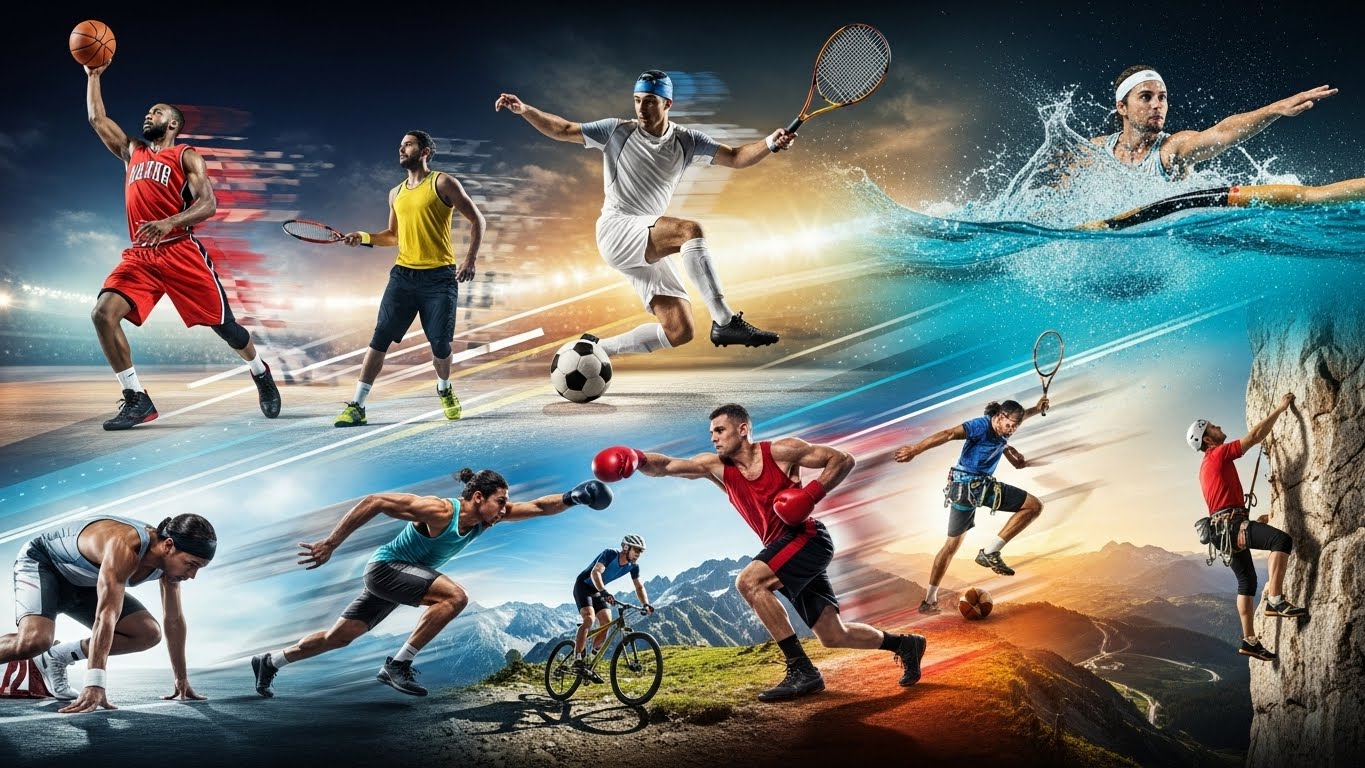
Sports are more than just games; they are a universal language that transcends barriers, bringing people from different walks of life together in a shared experience. Whether it’s a local match in a small town or a global event like the Olympics, sports have a unique way of uniting communities, nations, and individuals. They play a crucial role in shaping not just the body, but also the mind, and society at large. From childhood to adulthood, sports offer an endless list of benefits, from personal growth and health to economic impact and social cohesion.
This blog post delves into the profound influence that sports have on our lives. We’ll explore their role in personal development, community building, cultural exchange, and their power to bring about change on both a local and global scale.
The Role of Sports in Personal Development
At the most basic level, sports help develop physical fitness, and the benefits of regular physical activity are well-documented. But sports offer much more than physical benefits. For individuals of all ages, playing sports teaches valuable life skills and contributes to personal growth. For children, sports are a critical part of developing social skills, teamwork, and discipline. These are the skills that can help shape a child’s future, both in academics and later in their professional lives.
For adults, engaging in sports—whether it’s playing, coaching, or even spectating—can provide a much-needed outlet for stress and a break from the daily grind. Sports help build mental resilience. They provide opportunities for personal achievements, whether through setting and reaching fitness goals, improving in a sport, or winning a competition. The pursuit of excellence in any sport can provide a sense of purpose, helping individuals build self-confidence, manage pressure, and develop a strong work ethic.
Additionally, the values learned through sports—perseverance, accountability, and humility—can be applied to various aspects of life, from family dynamics to the workplace. Many successful business leaders, for example, attribute their success to lessons learned on the field: how to work as a team, how to deal with failure, and how to stay motivated through difficult times.
The Community-Building Power of Sports
Beyond individual development, sports are a powerful tool for fostering a sense of community. Whether it’s a local soccer game, a youth league basketball match, or a professional football event, sports provide an opportunity for people to gather, bond, and share experiences.
In many communities, sports serve as a common ground where people from different backgrounds can meet and work together toward a shared goal. This is particularly true in team sports, where success depends not just on individual performance but on collective effort. The shared challenges of a season, the highs of a victory, and the lessons learned from defeat create a bond that extends far beyond the game itself.
In many parts of the world, local sports teams are sources of pride. They act as a focal point for community identity, giving people a common cause to rally behind. In some cities, professional sports teams can become a symbol of regional pride, with fans united by their allegiance to a particular team. Major sports leagues, such as the NFL, NBA, and Premier League, are examples of how sports can transcend borders, attracting global fanbases and generating a shared sense of belonging among supporters.
Furthermore, youth sports programs play a critical role in community development. They provide children with a safe space to engage in physical activity, learn about teamwork, and make new friends. These programs also help combat youth unemployment and crime, offering young people an alternative outlet for their energy and ambition.
Sports as a Cultural Connector
The cultural impact of sports extends far beyond the local level. On a global stage, sports have the ability to break down cultural and linguistic barriers. Major international sporting events like the FIFA World Cup and the Summer Olympics attract viewers from every corner of the world. These events provide a platform for cultural exchange, where athletes from diverse backgrounds come together to celebrate their shared passion for sport.
In addition, the Olympic Games, for example, have long been seen as a celebration of unity and peace. Every four years, nations set aside political differences to compete on a global stage, and the games are watched by billions of people, regardless of their nationality. The global appeal of these events has turned sports into a universal language, helping people across the world to connect through a common passion.
Even the day-to-day practice of playing sports can serve as a form of cultural exchange. In multicultural societies, sports provide a shared space where people from different backgrounds can engage with one another, breaking down cultural stereotypes and fostering mutual respect. Whether it’s through the exchange of ideas, styles of play, or sports traditions, the common love for sports can build bridges in ways that other forms of communication cannot.
The Economic Impact of Sports
In addition to their social benefits, sports are also a major economic force. From local recreation leagues to the professional sports industry, athletics generate significant revenue and provide employment opportunities across various sectors.
At the grassroots level, local sports clubs and organizations contribute to local economies by providing jobs and attracting participants who spend money on equipment, training, and event participation. These grassroots sports systems also play a critical role in promoting health and well-being, which can reduce healthcare costs in communities. The economic impact of sports goes beyond just the participants—sports tourism also plays a significant role in many regions. Major sporting events draw tourists, media, and sponsors, providing a substantial boost to local economies.
At the professional level, sports franchises contribute billions of dollars to the global economy. Professional leagues, teams, and events generate revenue through ticket sales, merchandise, television rights, and sponsorships. Cities that host major sporting events also see significant economic growth, particularly in the hospitality and transportation sectors. The 2012 London Olympics, for example, generated an estimated £2.1 billion in tourism revenue.
Sports also have an indirect impact on economic growth by fostering innovation and infrastructure development. Cities and countries investing in sports facilities and programs often experience wider economic benefits, including the development of public infrastructure, such as transportation networks, accommodation, and entertainment venues.
The Social Influence of Sports
While sports have many economic and physical benefits, perhaps their most significant contribution is their ability to shape society. In the past century, athletes have often used their platforms to raise awareness about social issues, challenge injustices, and bring about change. The impact of sports on society is not confined to just the field of play—it extends to social and political movements, as athletes like Jackie Robinson, Billie Jean King, Muhammad Ali, and Colin Kaepernick have demonstrated.
These athletes have used their influence to challenge systemic inequalities and advocate for racial, gender, and political change. Robinson, who broke the color barrier in Major League Baseball in 1947, paved the way for future generations of African American athletes, helping to push the country closer to racial equality. Ali’s stance against the Vietnam War and Kaepernick’s protest against police brutality are prime examples of athletes using their visibility to create awareness of important issues.
Sports are also helping to push the boundaries of what is possible in terms of gender equality. Title IX, which was passed in the United States in 1972, mandated equal opportunities for women in education and athletics. Today, female athletes are breaking records and challenging societal norms, proving that sports are not just a domain for men.
Additionally, sports have the power to address pressing global issues. International sporting organizations are increasingly addressing issues like climate change, sustainability, and poverty through their initiatives. Events like the Olympics and World Cup now incorporate sustainability efforts, from building eco-friendly stadiums to reducing the carbon footprint of the events themselves. Sports can be used as a platform for global advocacy, highlighting the need for social change and inspiring action on critical issues.
The Future of Sports in a Technological World
The world of sports is rapidly evolving with the advancement of technology. Innovations such as virtual reality (VR), wearable fitness trackers, and AI-powered training tools are already shaping the future of athletics. VR is being used for training, allowing athletes to simulate game scenarios and improve their skills. Wearable devices like fitness trackers provide real-time data on an athlete’s performance, giving them insights into their health and helping optimize training routines.
On the fan side, technology is enhancing the experience of watching sports. With the rise of streaming platforms, fans can now watch games from anywhere in the world, and augmented reality (AR) and 360-degree video technologies allow them to experience games in entirely new ways. The growth of e-sports and virtual competitions has introduced a new form of athletic competition, attracting a younger, tech-savvy audience.
Technology is also transforming the way sports are analyzed. Data analytics, AI, and machine learning are being used to predict outcomes, assess player performance, and refine strategies. This data-driven approach is allowing coaches and teams to make more informed decisions, creating a more efficient and competitive sporting environment.
However, as technology continues to influence sports, it’s important to consider its impact on fairness, accessibility, and the integrity of competition. Ensuring that technological advancements are used responsibly will be key in maintaining the spirit of sport and protecting the athletes involved.
Conclusion
Sports are far more than a form of entertainment—they are a powerful force that influences our lives in ways we often overlook. They shape individuals by promoting health and personal growth, build communities by fostering a sense of belonging, and have the potential to create social change on a global scale. The economic impact of sports is vast, and as we continue to advance technologically, the future of sports will only become more interconnected and innovative.
Whether through the joy of watching a match, the thrill of participating in a game, or the lessons learned from sportsmanship, the influence of sports is undeniable. They teach us important life lessons, unite us in shared experiences, and inspire us to achieve greatness. As we move forward into a more digital and globalized future, sports will continue to be a cornerstone of human culture, influencing not just what we do,