
Introduction
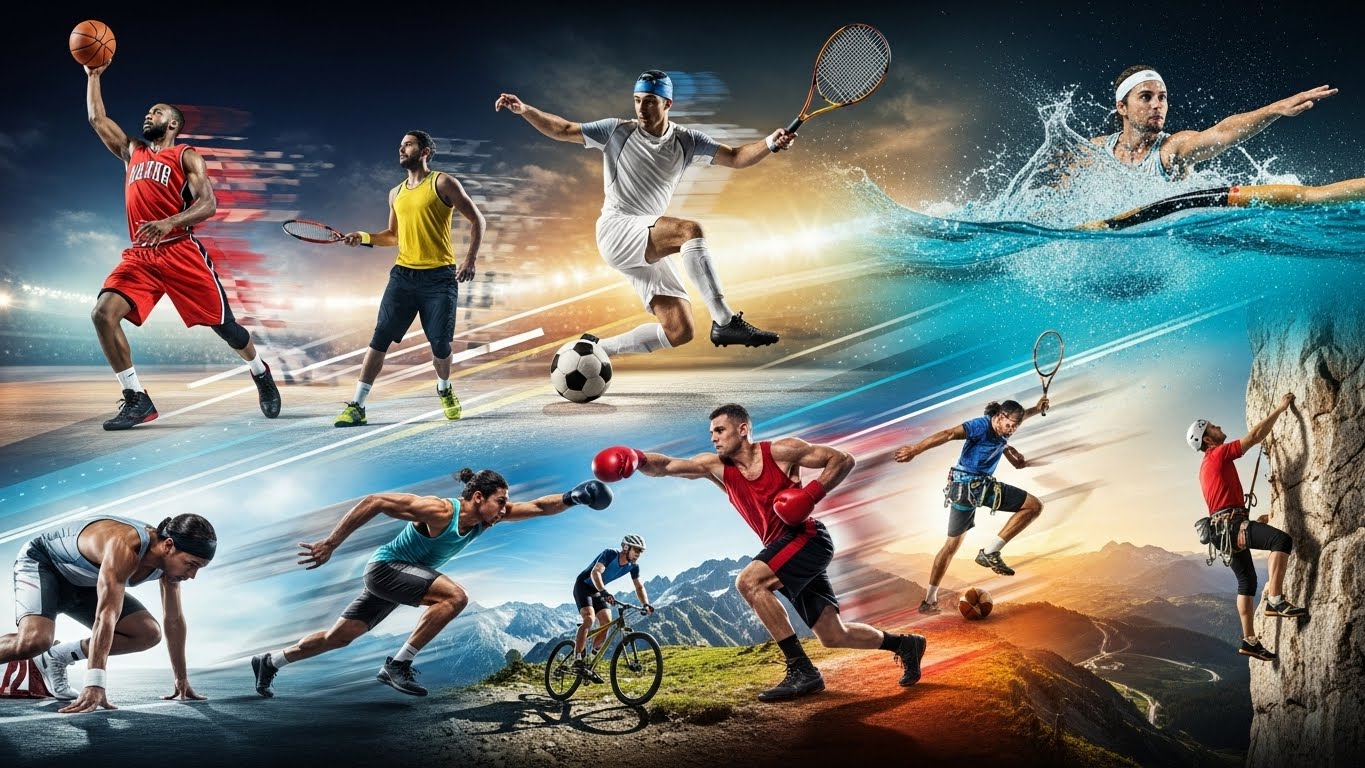
Sports have always been more than a competition—they are a reflection of human ambition, teamwork, and resilience. From the first Olympic Games in ancient Greece to modern international tournaments, sports have shaped cultures, built communities, and influenced generations. Beyond physical fitness, sports teach life skills, foster mental resilience, and promote social unity. In this blog, we explore the multifaceted role of sports in society, its evolution, its impact on individuals and communities, and how it continues to inspire people worldwide.
The History and Evolution of Sports
Sports have existed in some form for thousands of years. Early civilizations engaged in competitive physical activities to demonstrate strength, skill, and strategy. Ancient Egyptians practiced wrestling and archery, while the Greeks introduced organized competitions with standardized rules in the Olympic Games. Over centuries, sports evolved into structured competitions with leagues, federations, and international governing bodies. Today, sports range from traditional physical activities like soccer, cricket, and basketball to modern competitive disciplines such as snowboarding and e-sports, reflecting human creativity and the universal desire for achievement and recognition.
Physical Benefits of Sports
Participation in sports is crucial for maintaining physical health. Regular exercise through sports strengthens muscles, improves cardiovascular fitness, enhances flexibility, and helps maintain a healthy weight. Team and individual sports also improve coordination, agility, and endurance. Engaging in sports consistently builds stamina, reduces the risk of chronic diseases, and supports long-term health. Additionally, physical activity boosts energy levels and promotes better sleep patterns, contributing to overall well-being.
Mental and Emotional Advantages
Sports contribute significantly to mental and emotional health. Physical activity triggers the release of endorphins, reducing stress, anxiety, and depression. Participation in sports enhances focus, concentration, and problem-solving abilities. Athletes develop resilience and learn to manage pressure, setbacks, and failures effectively. Emotional benefits include increased self-confidence, motivation, and a sense of accomplishment. Team sports also nurture empathy, cooperation, and social intelligence, fostering emotional growth alongside physical fitness.
Teamwork and Collaboration
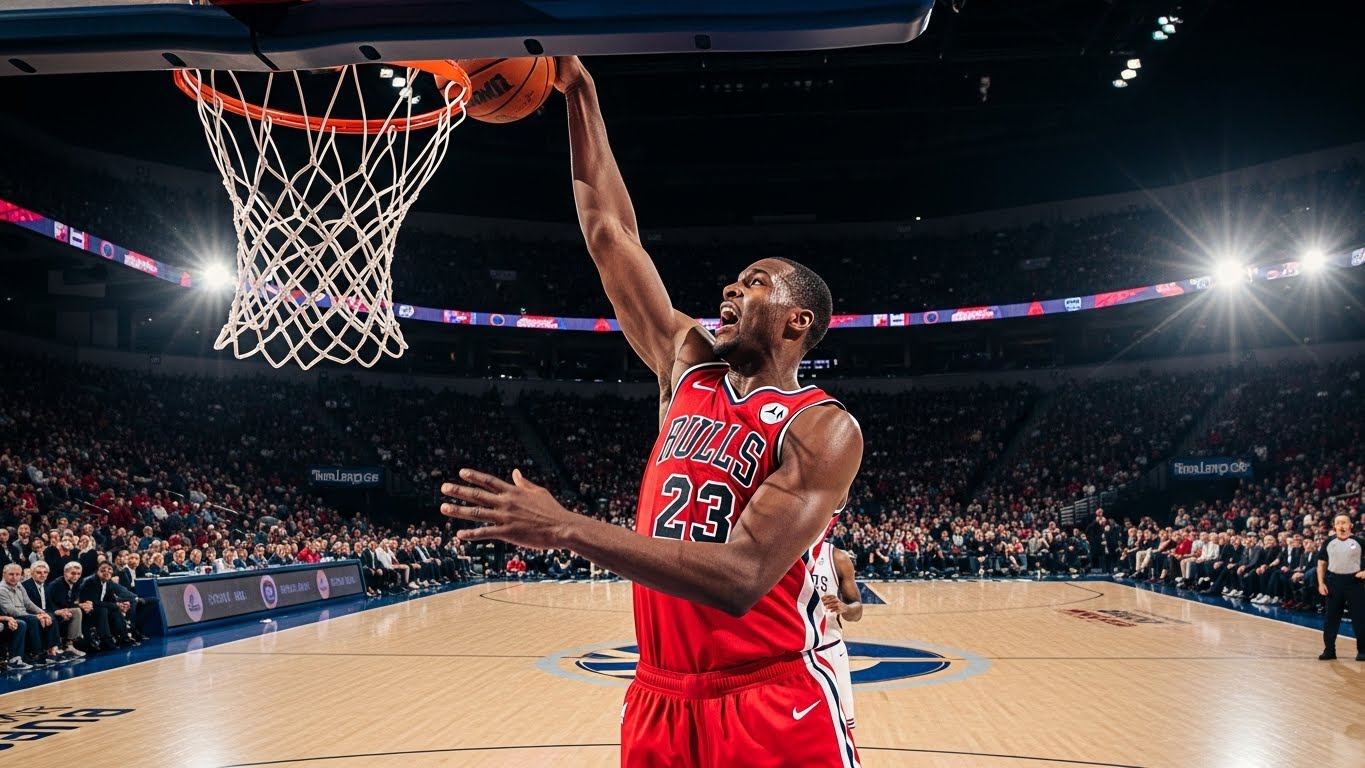
One of the greatest lessons sports teach is teamwork. Players must collaborate, communicate, and trust each other to achieve common goals. Whether on a football field, basketball court, or cricket pitch, team success depends on collective effort. Team sports teach leadership, conflict resolution, and accountability, skills that are transferable to professional and personal life. Learning to function as part of a team cultivates discipline, responsibility, and the ability to work toward shared objectives while respecting the strengths and limitations of others.
The Role of Sports in Education
Sports play an integral role in education systems around the world. Schools and universities encourage athletic participation to promote physical fitness, time management, and discipline. Student-athletes learn to balance academics and sports, developing organizational skills that benefit them in all areas of life. In many cases, sports scholarships provide opportunities for higher education, especially for talented students who might not have other avenues to access it. Incorporating sports into education fosters holistic development, ensuring students grow physically, mentally, and socially.
Sports as a Cultural Phenomenon
Sports are a cornerstone of culture, shaping traditions, values, and identities. National and regional teams inspire pride and loyalty, uniting fans across diverse backgrounds. Global sporting events, such as the FIFA World Cup, the Olympic Games, and the Super Bowl, create shared experiences that transcend language and geography. Sports influence entertainment, fashion, and media, highlighting the cultural significance of athletes as role models. They provide a common ground where people from different walks of life can connect, celebrate, and compete in friendly rivalry.
Economic Impact of Sports
Sports are a major economic driver. Professional leagues, international tournaments, and sporting events generate revenue through ticket sales, merchandise, broadcasting rights, and sponsorships. Hosting large-scale events boosts local economies, creates jobs, and attracts tourism. Beyond professional sports, community programs, recreational facilities, and youth leagues contribute to economic activity while promoting social engagement. The sports industry is a complex ecosystem, demonstrating how passion, entertainment, and business intersect.
Technology and Sports
Advances in technology have transformed how sports are played, coached, and consumed. Wearable devices monitor player performance, track fitness levels, and provide real-time feedback. Video analysis, artificial intelligence, and data analytics enhance training, strategy, and decision-making. High-definition broadcasting, instant replays, and augmented reality allow fans to experience games in immersive ways. Technology also enables virtual competitions and e-sports, expanding the definition of what sports can be in the modern era.
Sports and Social Change
Sports are a powerful platform for social change and advocacy. Athletes often use their influence to address issues such as gender equality, racial justice, mental health awareness, and environmental sustainability. Community sports programs promote youth development, provide safe spaces, and teach life skills. Sports can break down barriers, foster inclusion, and inspire collective action, demonstrating that athletic arenas are not just spaces for competition but also catalysts for societal progress.
Women in Sports
Women have historically faced barriers in sports, but the landscape has changed dramatically. Female athletes now excel in professional leagues, international competitions, and grassroots initiatives. Increased media coverage, sponsorships, and tournaments have elevated the visibility and recognition of women in sports. Promoting female participation empowers women, challenges stereotypes, and encourages gender equality. Representation in sports inspires young girls to pursue athletics and strengthens the overall diversity and inclusivity of the sporting world.
The Rise of E-Sports
E-sports, or competitive video gaming, has emerged as a modern dimension of sports. Millions of players compete globally, with tournaments attracting massive audiences. E-sports requires strategy, skill, teamwork, and mental endurance, much like traditional sports. Professional gamers, coaches, and content creators are redefining the sports industry, creating new career opportunities and fan communities. The growth of e-sports demonstrates that sports are not limited to physical activity—they are about competition, skill, and engagement in diverse forms.
Mental Resilience Through Sports
Sports cultivate mental toughness and resilience. Athletes face pressure, setbacks, and intense competition, learning to adapt and persevere. Overcoming challenges on the field builds confidence, patience, and determination. Mental resilience developed through sports is applicable in academics, careers, and personal growth, helping individuals navigate challenges with focus and composure. Sports teach that failure is not defeat but an opportunity to improve and achieve greater success.
Globalization of Sports
Sports have become a global language, transcending borders and connecting cultures. International competitions, player exchanges, and global media coverage bring fans together worldwide. Cultural exchange through sports fosters understanding, respect, and diplomacy. Global tournaments provide opportunities for nations to showcase talent, culture, and pride while promoting unity among diverse populations. Sports reflect the interconnectedness of the modern world, demonstrating that athletic passion knows no boundaries.
Sports as Entertainment
Sports are a major source of entertainment and community engagement. Fans actively follow leagues, players, and tournaments, sharing experiences through social media, fan clubs, and fantasy leagues. Stadiums and arenas provide thrilling in-person experiences, while broadcasts allow audiences to witness key moments, rivalries, and achievements from anywhere in the world. The narratives created through sports—comeback victories, underdog triumphs, and record-breaking performances—captivate audiences and inspire emotional connection, making sports both an art and a spectacle.
Future Trends in Sports
The future of sports is intertwined with technology, inclusivity, and sustainability. Wearable tech, performance analytics, and virtual reality will enhance training, fan engagement, and experience. Adaptive sports programs will create opportunities for individuals of all abilities, promoting equality and participation. Sustainable practices in stadiums, events, and sports infrastructure will reduce environmental impact. The evolving sports landscape will continue to reflect societal changes, technological progress, and the human drive for excellence and connection.
Conclusion
Sports are more than games—they are a powerful force that influences health, culture, society, and the economy. They teach discipline, teamwork, resilience, and leadership while providing entertainment, inspiration, and unity. From grassroots participation to professional leagues and international competitions, sports impact individuals and communities worldwide. As technology advances and societies evolve, sports will continue to adapt, inspire, and connect people, highlighting the enduring human desire for challenge, achievement, and connection. The world of sports is a testament to the power of play and its ability to shape lives across generations.