Introduction: The Universal Language of Sports
Sports have always held a unique place in human culture. From ancient Olympic games to modern global tournaments, sports connect people across borders, languages, and generations. They are more than just games; they are powerful vehicles for personal growth, social connection, and community building. Whether you are an athlete, a fan, or someone who enjoys occasional physical activity, sports offer lessons that extend far beyond the playing field.
Physical Benefits: Strengthening the Body
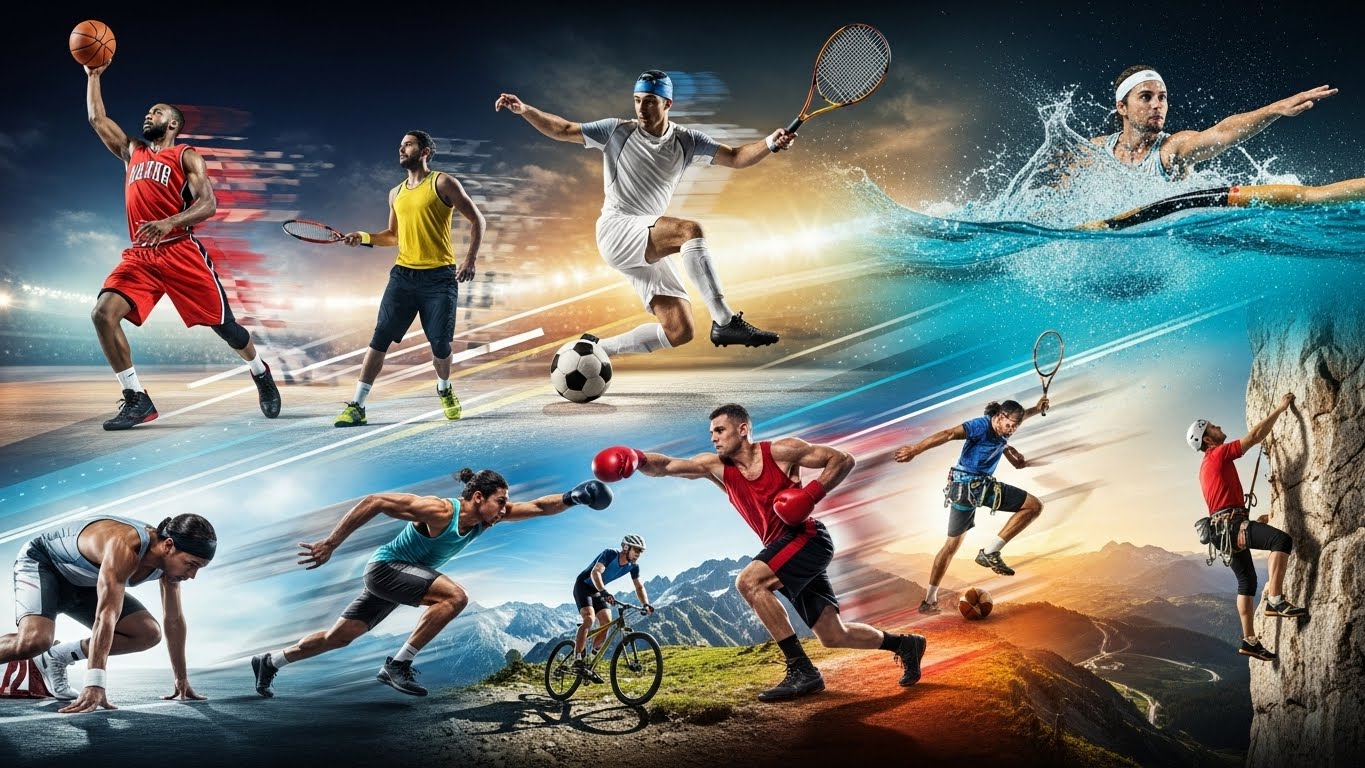
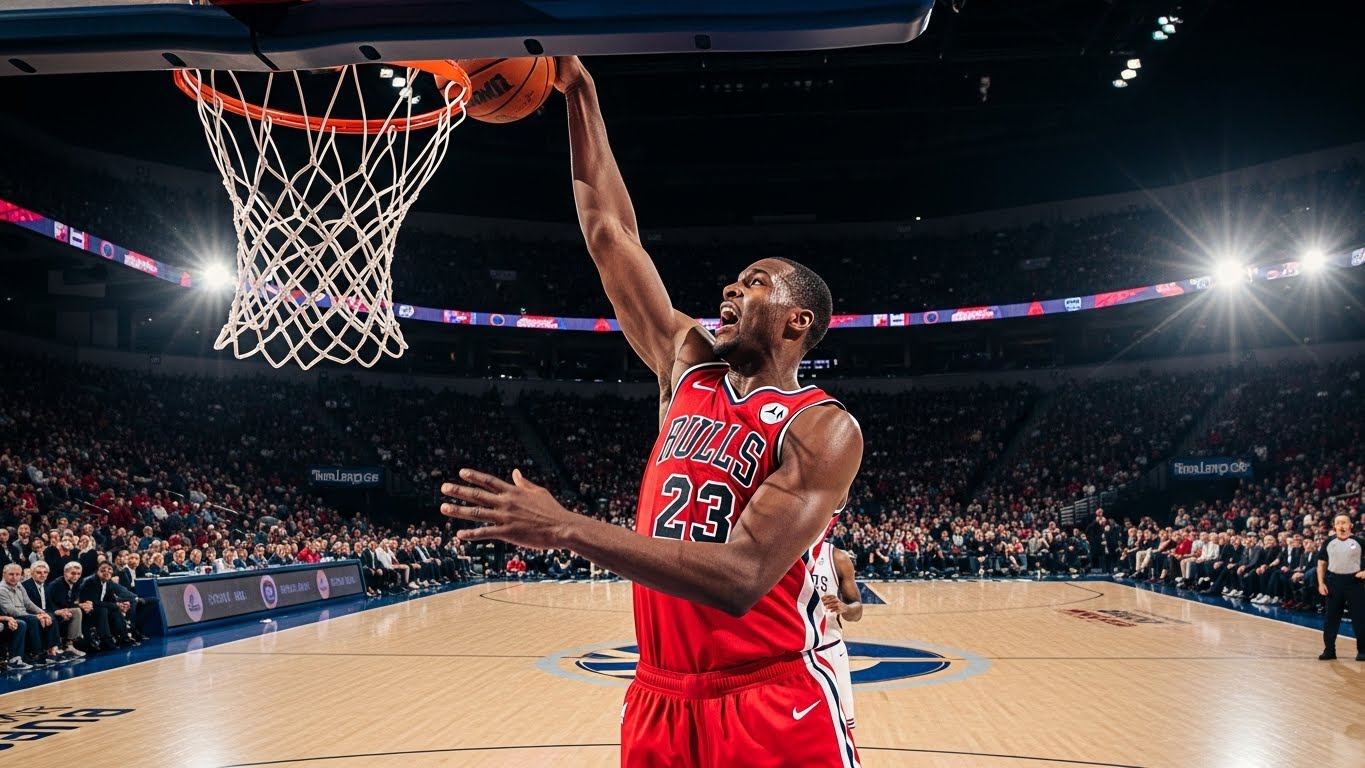
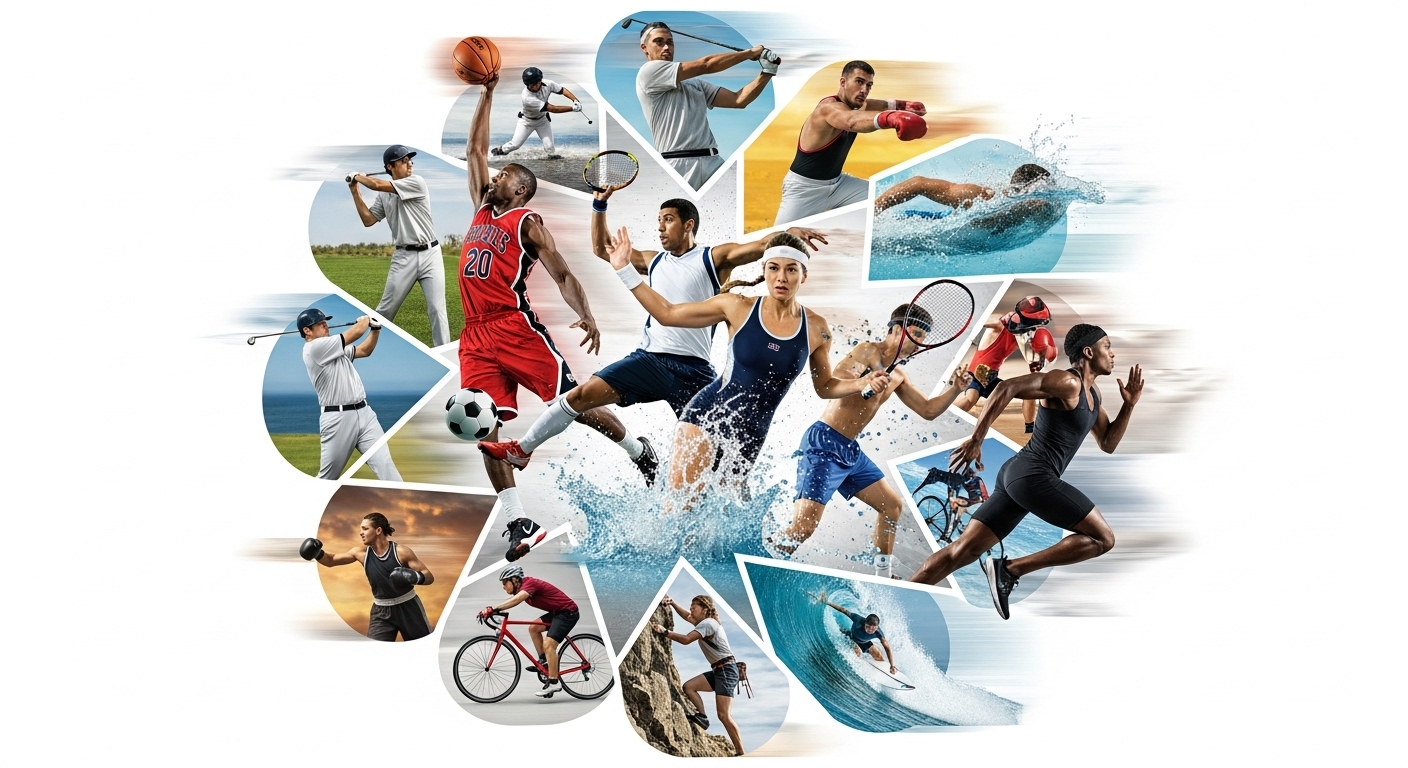
One of the most obvious advantages of participating in sports is physical fitness. Regular activity improves cardiovascular health, builds muscle strength, and enhances flexibility. Sports like swimming, soccer, basketball, and tennis engage multiple muscle groups and stimulate the body in ways that ordinary exercise routines may not. Beyond physical strength, consistent sports activity can increase stamina and reduce the risk of chronic diseases such as diabetes and heart conditions.
Mental Benefits: Sharpening the Mind
Sports are not only about the body; they are profoundly beneficial for the mind. Engaging in physical activity releases endorphins, chemicals in the brain that improve mood and reduce stress. Participation in sports also enhances concentration, problem-solving skills, and strategic thinking. For team sports, players must make quick decisions, anticipate opponents’ moves, and adapt to changing situations, all of which build mental resilience and cognitive flexibility.
Teamwork and Social Skills: Lessons Beyond Individual Success
One of the most valuable aspects of sports is the emphasis on teamwork and cooperation. Team sports such as football, cricket, or volleyball require players to communicate effectively, trust each other, and work together toward a common goal. These experiences cultivate essential social skills, including empathy, leadership, and conflict resolution, which are transferable to personal and professional life. Learning to celebrate victories and accept losses gracefully is also a powerful life lesson gained through sports.
Discipline and Goal Setting: Building Character
Athletes learn discipline through training schedules, goal setting, and perseverance. Whether practicing daily for hours or pushing through physical and mental barriers, sports instill a sense of responsibility and self-motivation. Setting personal or team goals, tracking progress, and striving for improvement teaches persistence and accountability, qualities that extend far beyond sports into career and life ambitions.
Cultural and Community Impact: Bringing People Together
Sports have a unique ability to unite communities and cultures. Local tournaments bring neighborhoods together, national leagues ignite patriotism, and international competitions foster global camaraderie. Sporting events provide shared experiences that build connections between diverse groups of people. They also create opportunities for social change by promoting inclusion, equality, and healthy lifestyles within communities.
Conclusion: The Enduring Influence of Sports
The impact of sports reaches far beyond the excitement of a win or the heartbreak of a loss. They shape our bodies, challenge our minds, nurture social connections, and develop our character. By engaging with sports—whether actively or as an enthusiastic supporter—we experience growth that touches every aspect of our lives. In a world often divided by differences, sports remain a universal force that reminds us of the joy of play, the value of teamwork, and the power of perseverance.