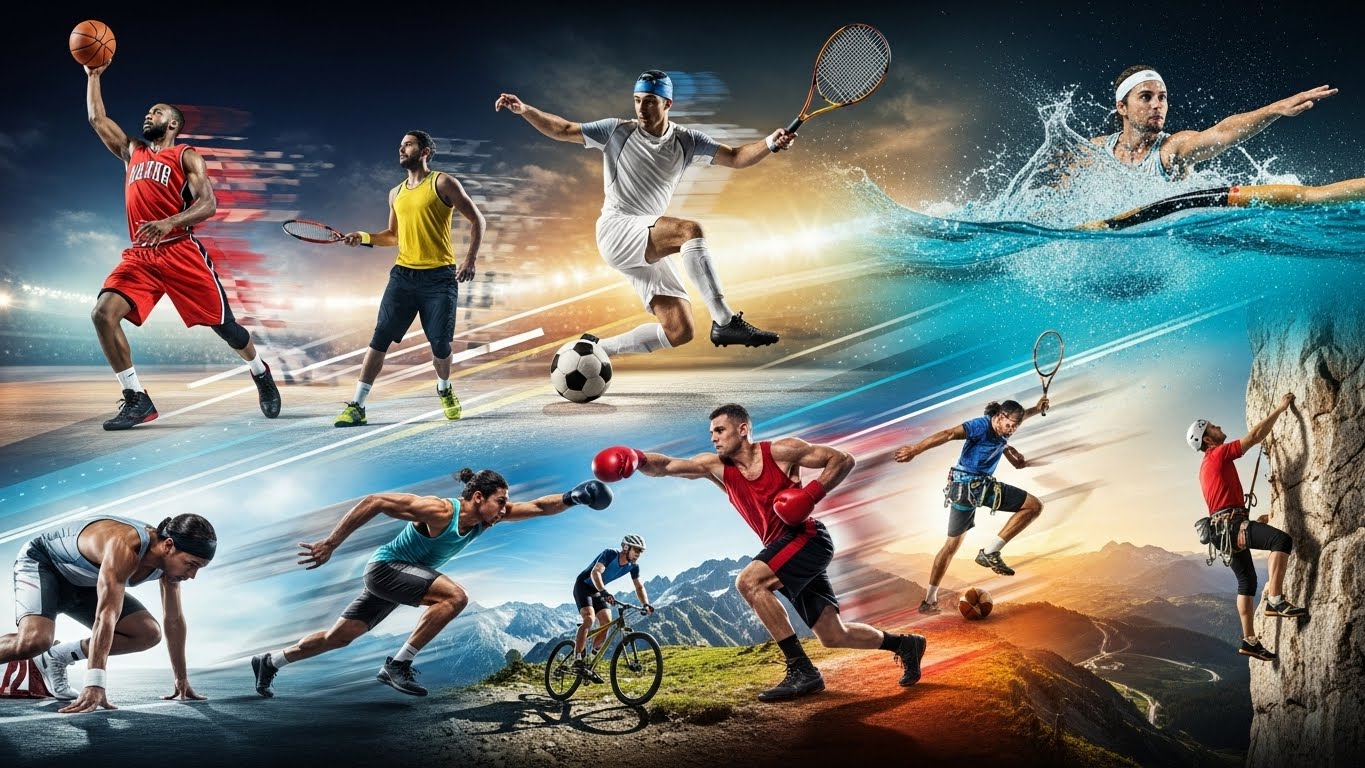

Sports have been an integral part of human civilization for centuries. They are not merely games played for entertainment; they embody cultural identity, personal discipline, teamwork, and the pursuit of excellence. From ancient Olympic competitions in Greece to modern professional leagues worldwide, sports have shaped societies and inspired millions of individuals to push their physical and mental boundaries. This article delves deeply into the world of sports, exploring its history, types, benefits, impact on society, and future trends.
The History of Sports
The history of sports dates back thousands of years. Early humans engaged in physical activities not only for survival but also for social and recreational purposes. Archaeological evidence suggests that wrestling, archery, and running were common forms of athletic contests in ancient civilizations.
Ancient Civilizations and Sports
In ancient Egypt, sports were a vital part of cultural life, with evidence of swimming, archery, and ball games depicted on temple walls. Similarly, the Mesopotamians practiced activities like wrestling and boxing. The Greeks, however, elevated sports to a philosophical and spiritual level. The ancient Olympic Games, which began in 776 BCE, were held in Olympia and were a festival dedicated to the gods, particularly Zeus. Athletic excellence was celebrated as a reflection of personal virtue and societal pride.
In Rome, sports took a different turn. Gladiatorial contests, chariot races, and public games were designed not only for entertainment but also as a demonstration of power and social control. These events were often brutal, yet they captivated the Roman populace and became an essential part of Roman culture.
Sports in the Middle Ages
During the medieval period, organized sports were relatively rare but still present in various forms. Knights engaged in jousting tournaments, which tested strength, skill, and bravery. Folk games such as football, archery contests, and wrestling were common among peasants and townspeople, laying the foundation for modern team sports.
The Modern Era of Sports
The modern sports era emerged in the 19th century, particularly in Europe. Industrialization, urbanization, and the rise of the middle class created a demand for organized leisure activities. Formal rules were established for football (soccer), cricket, and rugby, transforming these activities into recognized sports. The revival of the Olympic Games in 1896 in Athens marked a global recognition of sports as a symbol of international unity, competition, and peace.
Types of Sports
Sports can be categorized in various ways, depending on the nature of activity, team involvement, and competitive structure. Understanding these categories allows us to appreciate the diversity and richness of athletic pursuits.
Team Sports
Team sports involve coordinated effort among multiple players working towards a common goal. Cooperation, strategy, and communication are crucial in these sports. Popular examples include football, basketball, volleyball, and cricket. Team sports foster a sense of community, teach interpersonal skills, and develop leadership qualities.
Individual Sports
Individual sports emphasize personal skill, discipline, and endurance. Athletes compete against themselves or others, relying solely on their abilities. Examples include tennis, gymnastics, swimming, athletics, and martial arts. Individual sports often demand intense focus, self-motivation, and resilience.
Adventure and Extreme Sports
Adventure and extreme sports are characterized by risk, thrill, and often interaction with nature. Activities such as rock climbing, skydiving, surfing, and snowboarding provide adrenaline-pumping experiences. These sports test human courage, mental strength, and adaptability.
Indoor and Outdoor Sports
Sports can also be classified based on their setting. Indoor sports like table tennis, badminton, and squash require controlled environments, while outdoor sports such as football, athletics, and cycling depend on natural conditions. Both types offer unique challenges and benefits.
Mind Sports
Mind sports are competitive activities that primarily require cognitive abilities rather than physical prowess. Chess, poker, and esports are examples of mind sports that emphasize strategy, problem-solving, and mental agility. These activities highlight the intellectual dimension of sports and attract diverse participants worldwide.
Benefits of Sports
Engaging in sports offers numerous physical, mental, and social benefits. Sports are a holistic avenue for personal development, well-being, and social integration.
Physical Benefits
Regular participation in sports enhances cardiovascular health, builds strength, improves flexibility, and maintains a healthy weight. Activities such as running, swimming, and cycling improve endurance, while strength training and gymnastics develop muscle tone. Beyond fitness, sports also promote better sleep patterns and overall longevity.
Mental Benefits
Sports have profound effects on mental health. Physical activity stimulates the release of endorphins, often called the “feel-good” hormones, reducing stress and anxiety. Sports also improve concentration, memory, and cognitive function. Moreover, they cultivate qualities like resilience, patience, and discipline, which are essential in overcoming life’s challenges.
Social Benefits
Participating in sports builds social connections, teamwork, and leadership skills. Athletes learn to collaborate, communicate, and resolve conflicts effectively. Sports also bridge cultural and social divides, fostering mutual respect and camaraderie among participants from diverse backgrounds.
Professional and Economic Benefits
Sports have significant economic and professional dimensions. Professional athletes earn livelihoods through their skills, endorsements, and competitions. Sports-related industries, including coaching, fitness, broadcasting, and merchandise, contribute to national economies. Large-scale sporting events, like the FIFA World Cup or the Olympics, generate tourism, infrastructure development, and global visibility for host nations.
The Role of Sports in Society
Sports influence society in multifaceted ways, extending beyond recreation to education, politics, and cultural identity.
Sports and Education
Sports are integral to education systems worldwide. Schools and universities incorporate physical education programs to promote fitness, teamwork, and discipline. Academic research also shows a positive correlation between physical activity and cognitive performance, emphasizing the importance of sports in holistic education.
Sports and Culture
Sports reflect cultural values, traditions, and national identity. Countries take pride in their athletes and teams, celebrating victories as symbols of collective achievement. Traditional sports like kabaddi in India, sumo wrestling in Japan, and hurling in Ireland showcase unique cultural heritage and promote social cohesion.
Sports and Politics
Sports often intersect with politics, influencing national pride, diplomacy, and international relations. Sporting events can unite nations, highlight social issues, and even challenge political norms. For example, the Olympics have historically been a platform for promoting peace, advocating equality, and protesting injustice.
Sports and Technology
Advancements in technology have transformed sports at every level. Wearable devices, performance analytics, and virtual training systems enhance athletic performance. Broadcasting innovations allow global audiences to witness live events, while esports platforms have revolutionized competitive gaming. Technology ensures that sports continue to evolve, becoming safer, more efficient, and more engaging for participants and fans.
Challenges in Sports
Despite the numerous benefits, the world of sports faces several challenges that must be addressed to maintain fairness, safety, and inclusivity.
Doping and Cheating
The use of performance-enhancing drugs and unethical practices undermines the integrity of sports. Organizations worldwide implement strict anti-doping regulations, but challenges persist due to sophisticated methods of cheating and pressure on athletes to perform at the highest level.
Gender Inequality
While progress has been made, gender disparity remains a concern in sports. Female athletes often face lower pay, limited media coverage, and fewer sponsorship opportunities. Promoting gender equality in sports is essential to ensure inclusivity and empower women worldwide.
Safety Concerns
High-impact sports carry risks of injury, sometimes resulting in long-term health consequences. Concussions, fractures, and overuse injuries are prevalent in contact sports. Proper safety measures, training, and medical support are vital to protect athletes’ well-being.
Accessibility and Participation
Access to sports is often limited by socioeconomic factors, geography, and infrastructure. Marginalized communities may face barriers to participation, depriving individuals of the physical, social, and emotional benefits of sports. Policies promoting inclusivity and equitable access are crucial for fostering universal participation.
Sports and Mental Resilience
One of the most remarkable aspects of sports is their ability to build mental resilience. Athletes regularly face setbacks, losses, and physical challenges. Learning to persevere, adapt, and remain focused under pressure is a skill that extends beyond the field. Sports instill confidence, problem-solving abilities, and emotional regulation, empowering individuals to tackle challenges in all areas of life.
The Future of Sports
The future of sports is intertwined with technological advancements, evolving societal values, and global connectivity. Emerging trends indicate significant transformations in participation, viewing experiences, and the overall sports ecosystem.
Digital Transformation and Esports
Digital platforms are revolutionizing sports, from virtual training programs to interactive fan engagement. Esports has emerged as a billion-dollar industry, attracting millions of viewers and players worldwide. Competitive gaming demonstrates that sports extend beyond physical activity to include cognitive skills, strategy, and creativity.
Sustainability in Sports
Sustainability is becoming a critical focus in the sports industry. Large-scale events now prioritize eco-friendly infrastructure, energy efficiency, and waste reduction. Athletes and organizations advocate for environmental consciousness, reflecting a global shift toward sustainable practices.
Inclusivity and Adaptive Sports
The rise of adaptive sports for individuals with disabilities highlights the growing commitment to inclusivity. Events like the Paralympics showcase the exceptional abilities of differently-abled athletes, challenging stereotypes and inspiring broader societal change.
Globalization and Cross-Cultural Exchange
Global connectivity continues to expand the reach and influence of sports. International competitions, athlete exchanges, and worldwide fan communities foster cross-cultural understanding and collaboration. Sports are becoming a universal language that unites people across borders.
Conclusion
Sports are far more than physical contests; they are a reflection of human spirit, culture, and aspiration. From ancient traditions to modern innovations, sports continue to shape individual lives, communities, and global society. The benefits of sports—ranging from physical health and mental resilience to social cohesion and professional opportunities—underscore their universal value. Despite challenges such as doping, inequality, and accessibility, the world of sports is evolving to become more inclusive, sustainable, and technologically advanced.
Engaging in sports nurtures discipline, teamwork, courage, and perseverance. It inspires individuals to push beyond limits, communities to unite, and nations to celebrate collective achievement. As society progresses, sports will remain a timeless testament to human passion, resilience, and excellence, proving that the pursuit of greatness knows no boundaries.