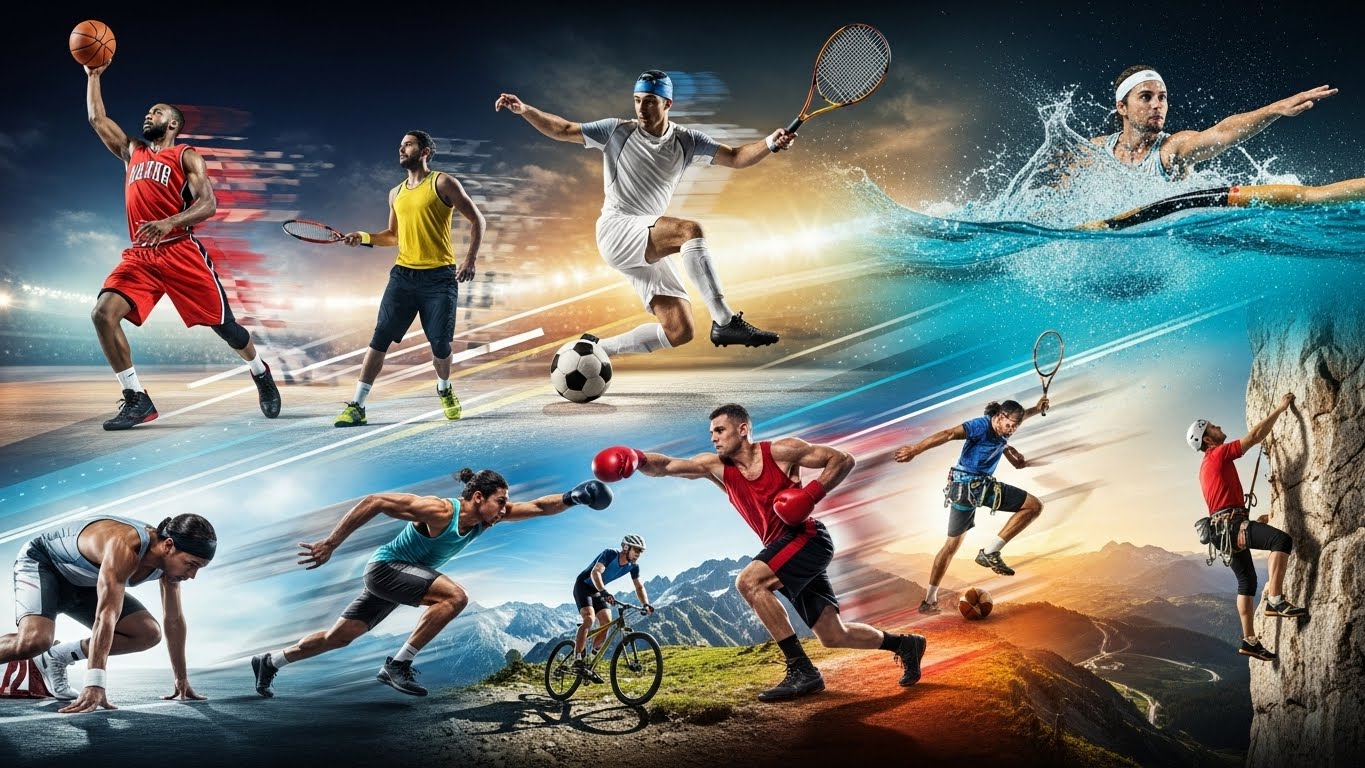

Sports have been an essential part of human culture for centuries. From ancient rituals to modern-day competitions, they have not only been a source of entertainment but also a means of social connection, physical fitness, and even international diplomacy. In this blog, we will explore the history, evolution, and impact of sports on society.
The Origins of Sports
The roots of modern sports can be traced back to ancient civilizations. In ancient Egypt, Greece, and Rome, physical activities were an integral part of daily life. The ancient Greeks, in particular, were pioneers in formalizing athletic competitions. The first recorded Olympic Games were held in Olympia in 776 BC, marking the beginning of organized sports on a global scale.
The ancient Romans, too, had a strong tradition of sports, but their focus was more on spectacle and entertainment. Gladiatorial games and chariot races were among the most popular events in ancient Rome, often held in grand arenas like the Colosseum. These events, though brutal, attracted huge crowds and were seen as a form of entertainment that united people from all walks of life.
In Asia, sports like martial arts have a deep history, with disciplines such as judo, kung fu, and archery being practiced for centuries. These activities were often more than just physical pursuits; they were also spiritual practices that emphasized discipline, respect, and mental fortitude.
The Rise of Organized Sports
The transition from informal games to organized sports occurred during the 19th century, particularly in Europe and North America. This was a time when industrialization and urbanization were transforming societies. People had more leisure time, and with the growth of public education, sports became an essential part of the curriculum.
The development of standardized rules for games like football, cricket, rugby, and baseball allowed for organized competitions. In England, football (soccer) became increasingly popular, leading to the formation of clubs and, eventually, national leagues. In the United States, baseball became the national pastime, and the establishment of professional leagues in the late 19th century solidified its place in American culture.
As these sports grew in popularity, they also began to spread globally. The first modern Olympic Games, held in Athens in 1896, marked the beginning of international competition in sports. Athletes from various nations gathered to compete, showcasing not only their physical prowess but also the cultural exchange that sports facilitate.
The Role of Sports in Society
Sports have always played a significant role in society, not only as a form of entertainment but also as a medium for social interaction and cultural exchange. They have the power to unite people, foster community spirit, and create a sense of belonging. Whether it’s cheering for a local team or representing one’s country on the global stage, sports provide a platform for individuals to come together and share in the excitement.
In many ways, sports serve as a reflection of society. They are influenced by cultural values, social structures, and political environments. For instance, the Civil Rights Movement in the United States saw the rise of African American athletes like Jackie Robinson, who broke racial barriers in baseball. In South Africa, Nelson Mandela used the 1995 Rugby World Cup as a means to unite a divided nation after the end of apartheid.
Moreover, sports can serve as a powerful tool for social change. The #MeToo movement, the fight for LGBTQ+ rights, and the push for racial equality have all seen strong support from athletes using their platforms to speak out on important issues. Figures like Colin Kaepernick, who kneeled during the national anthem to protest racial injustice, and Billie Jean King, who fought for gender equality in tennis, are just a few examples of how sports can spark social and political conversations.
The Globalization of Sports
In the 20th and 21st centuries, sports became more globalized than ever before. The rise of mass media, including television and the internet, has allowed people from all corners of the world to watch and engage with sports like never before. Events like the FIFA World Cup, the Olympics, and the Super Bowl attract millions of viewers worldwide, making sports a global language that transcends borders.
With globalization came the rise of professional athletes as international superstars. Players like Michael Jordan, Serena Williams, Lionel Messi, and Cristiano Ronaldo are known across the globe, and their influence extends far beyond the playing field. They are not just athletes; they are brands, role models, and cultural icons.
The commercialization of sports has also played a major role in their globalization. Sponsorship deals, television rights, and merchandising have turned sports into multi-billion-dollar industries. While this has led to significant growth and opportunities for athletes, it has also raised questions about the ethics of commercialization and the pressure it places on players.
The Evolution of Technology in Sports
Technology has dramatically changed the landscape of sports. From equipment to training methods to broadcasting, advancements in technology have enhanced every aspect of the sporting world. Modern athletes now have access to state-of-the-art gear, performance-enhancing technologies, and data analytics that help them improve their skills and performance.
For example, in tennis, players now use racquets made from high-tech materials like carbon fiber, which provide better control and power. In football, coaches and players use video analysis tools to break down plays and study opponents in greater detail than ever before. Wearable devices, such as heart rate monitors and GPS trackers, help athletes monitor their physical condition in real time, allowing them to optimize their training and recovery.
In addition to performance enhancements, technology has also revolutionized how sports are consumed. High-definition broadcasts, virtual reality, and even augmented reality are transforming the fan experience. Fans can now watch games from multiple angles, access live stats, and interact with other fans online, creating a more immersive and interactive experience.
The use of instant replay and video assistant referees (VAR) in sports like football, basketball, and tennis has sparked debates about the role of technology in officiating. While these tools have helped reduce human error and make games more fair, they have also led to criticism regarding their impact on the flow and spontaneity of the game.
The Impact of Sports on Health and Fitness
One of the most significant benefits of sports is the positive impact they have on physical health. Regular participation in sports helps improve cardiovascular health, build strength, and increase flexibility. It also promotes mental health by reducing stress, anxiety, and depression.
Sports also play a crucial role in preventing chronic diseases such as obesity, diabetes, and heart disease. The rise of fitness-focused sports like running, cycling, and swimming has led to an increase in the number of people participating in physical activities around the world. Sports encourage people of all ages to stay active and lead healthier lifestyles.
Moreover, sports foster teamwork, leadership, and discipline. These qualities are not only valuable on the playing field but also translate into other areas of life, including education, career, and personal relationships. Many young athletes learn valuable life skills like perseverance, resilience, and goal-setting that help them navigate challenges both on and off the field.
The Challenges Facing Modern Sports
While sports have come a long way, they also face numerous challenges in the modern era. One of the most pressing issues is the growing concern over the physical and mental health of athletes. The pressure to perform at the highest level, combined with the intense training schedules, can lead to injuries, burnout, and mental health struggles. The increasing frequency and severity of concussions in contact sports like football and rugby have raised alarms about the long-term effects on players’ health.
Another challenge facing modern sports is the issue of doping. Despite advances in anti-doping measures, the temptation for athletes to use performance-enhancing drugs remains a serious problem. High-profile cases of doping scandals have damaged the integrity of sports and raised questions about the fairness of competition.
Corruption and scandals in sports organizations, including bribery and match-fixing, are also significant issues. The lack of transparency in some governing bodies and the financial stakes involved in major tournaments have led to concerns about the integrity of certain sports.
The Future of Sports
The future of sports looks bright, with continued advancements in technology, greater inclusivity, and the growing emphasis on sustainability. As we move further into the 21st century, we can expect to see even more innovations in sports science, training techniques, and fan engagement.
The rise of eSports, for example, has already begun to reshape the sports landscape. Competitive video gaming has become a multi-billion-dollar industry, attracting millions of viewers worldwide. While some may question whether eSports should be classified as “real” sports, the growing popularity and professionalization of gaming suggest that it will continue to play a significant role in the future of sports.
Additionally, sports organizations are increasingly focusing on diversity and inclusion. Women’s sports, which have historically been underfunded and underrepresented, are gaining more attention and investment. Initiatives to promote gender equality, racial diversity, and opportunities for disabled athletes are helping to create a more inclusive sports culture.
As we look to the future, it’s clear that sports will continue to evolve and adapt. Whether it’s through new technologies, changes in societal values, or shifts in global culture, sports will remain an essential part of our lives for generations to come.
Conclusion
Sports are much more than just games. They are a reflection of human culture, a way to build communities, and a tool for personal and societal growth. From their humble beginnings in ancient civilizations to their modern-day global reach, sports have evolved in ways that have enriched our lives and shaped the world in which we live. As we continue to push the boundaries of what is possible, it’s exciting to think about what the future of sports holds. What remains clear is that, no matter the form they take, sports will continue to play a central role in shaping the physical, mental, and social fabric of humanity.