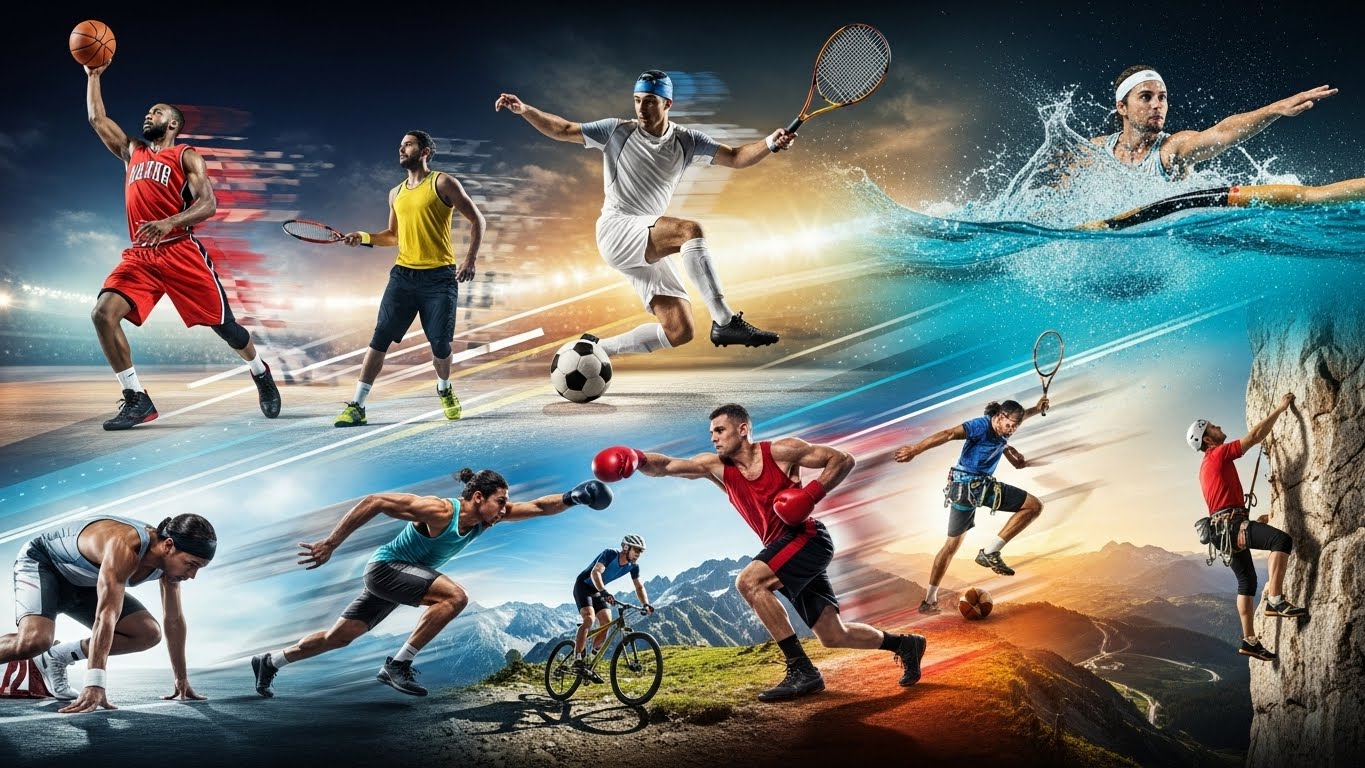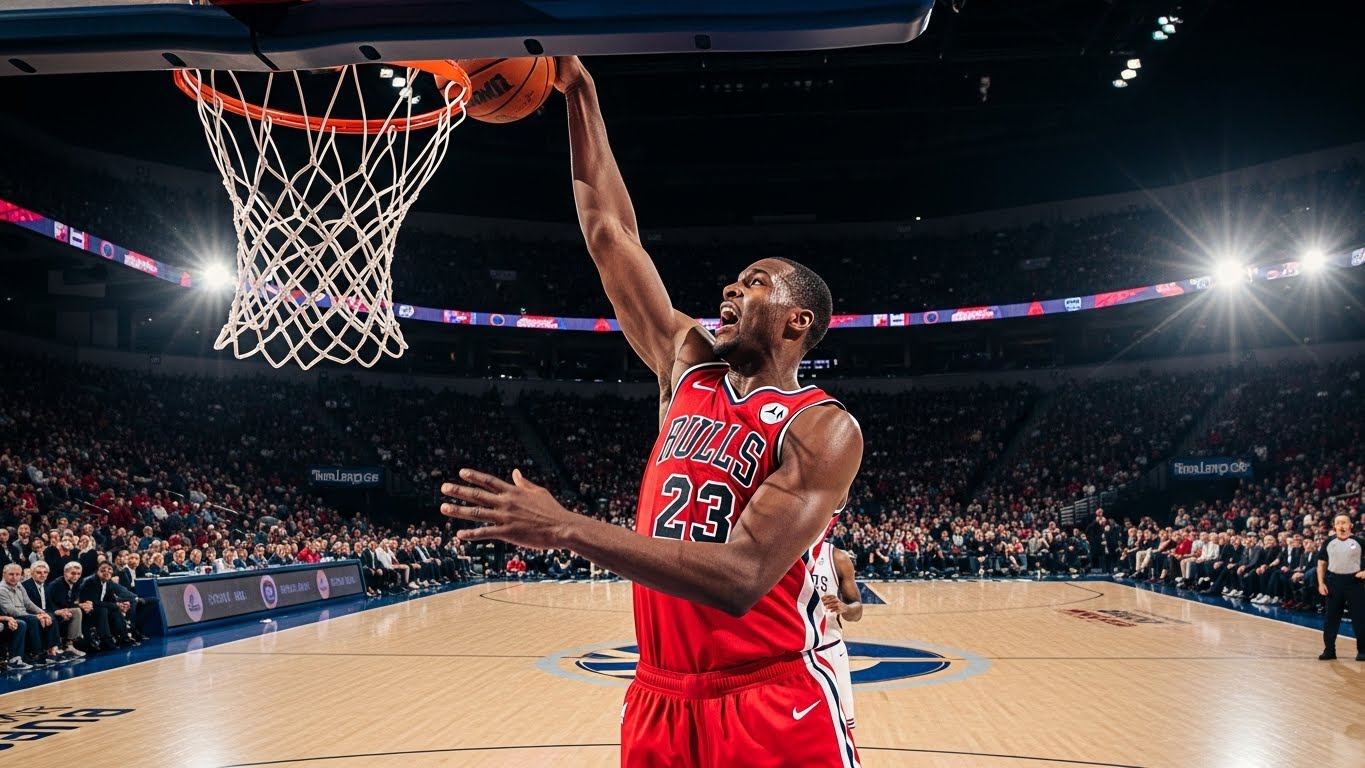
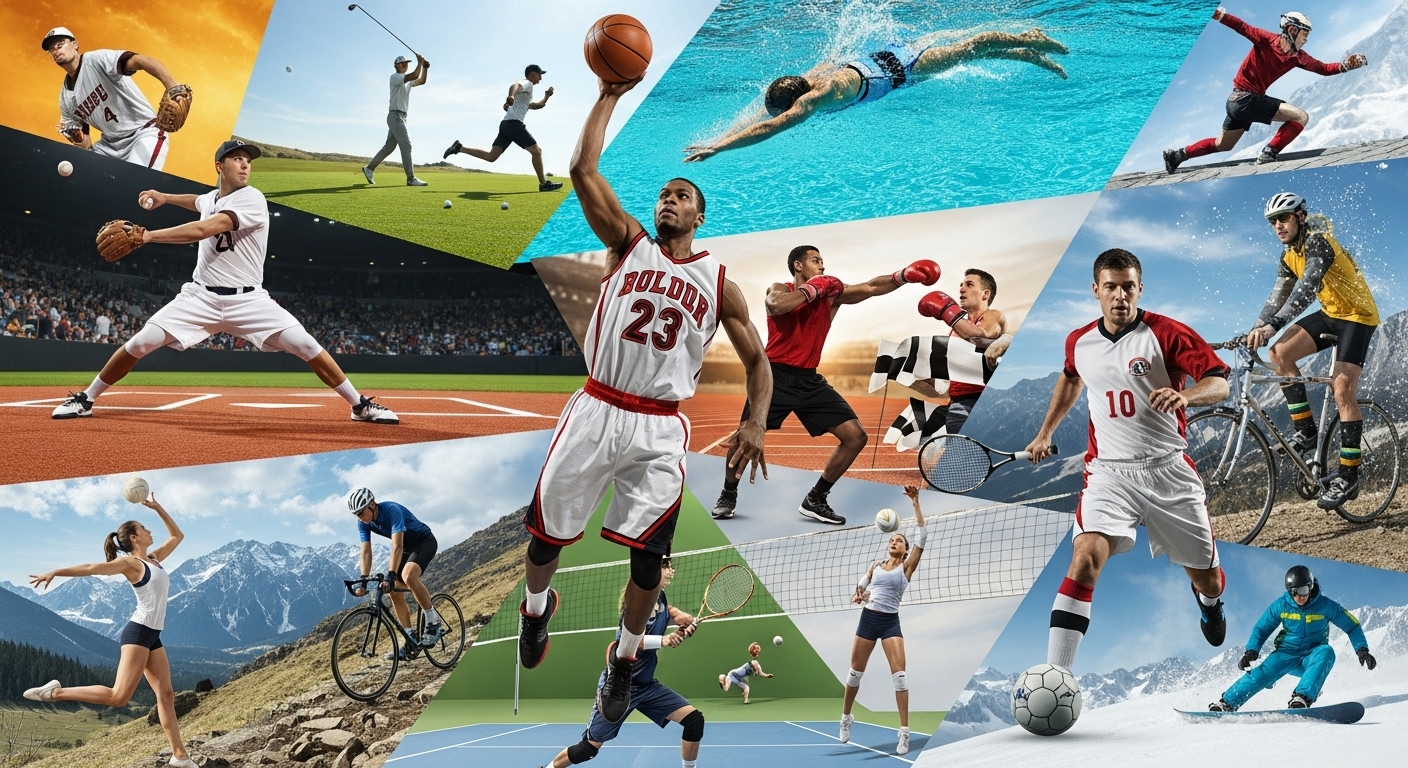
Sports are far more than just games played for entertainment. They are a universal language that unites people across cultures, fosters personal growth, and contributes significantly to the well-being of individuals and societies. Whether you’re playing a simple game of basketball with friends or watching your favorite football team battle it out on the field, sports have a profound impact on our lives, both physically and emotionally. In this blog post, we will delve into the various ways sports positively influence our lives, from health benefits to building relationships and contributing to economic growth.
Physical Health Benefits: The Foundation of Sports
One of the most immediate and well-known benefits of engaging in sports is the impact on physical health. Whether you are participating in individual or team sports, physical activity plays a crucial role in maintaining and improving overall health.
Improved Cardiovascular Health
Many sports, such as running, cycling, swimming, and soccer, are excellent for cardiovascular fitness. Regular participation in these activities strengthens the heart, improves blood circulation, and boosts lung capacity. The heart pumps more efficiently, reducing the risk of heart disease, strokes, and high blood pressure. People who engage in physical activity regularly are less likely to suffer from chronic diseases and tend to have longer, healthier lives.
Enhanced Strength and Flexibility
Different sports target different muscle groups, contributing to overall body strength and flexibility. Weight training, for example, helps build muscle mass, increase bone density, and improve joint health. On the other hand, activities like swimming, yoga, or gymnastics can enhance flexibility, reduce the risk of injury, and improve posture. Regularly participating in these sports helps individuals maintain an optimal balance of strength and flexibility, which is crucial for healthy aging.
Weight Management and Fitness
Maintaining a healthy weight is a major concern for many individuals, and sports can be an enjoyable and effective way to manage it. Participating in high-intensity sports, such as football, tennis, or basketball, helps burn calories and build lean muscle. Even low-impact activities like walking, cycling, or swimming can contribute to weight loss when combined with a balanced diet. The consistency and fun that sports bring make it easier for individuals to stay motivated, leading to better long-term fitness.
Mental Health and Emotional Well-being: The Hidden Power of Sports
While the physical benefits of sports are well understood, their positive impact on mental health is just as significant. The act of playing sports releases endorphins, the body’s natural feel-good chemicals, which play a major role in reducing stress, anxiety, and depression.
Stress Relief and Mental Clarity
Sports provide an excellent way to cope with daily stress. Physical activity stimulates the production of endorphins, which help improve mood and induce feelings of happiness. Exercise through sports offers a natural way to release built-up tension, reduce anxiety, and enhance mental clarity. Whether it’s a short jog, a bike ride, or a competitive tennis match, the physical exertion required in sports allows individuals to disconnect from the pressures of life and focus solely on the activity at hand.
Boosted Self-Confidence
Sports also offer a tremendous opportunity to build self-esteem and confidence. By setting and achieving personal goals, whether it’s improving your running time, mastering a new tennis technique, or scoring a goal in soccer, individuals gain a sense of accomplishment. This boost in self-confidence carries over into other areas of life, enhancing personal relationships, academic performance, and professional success. The sense of achievement that comes from competing and improving in sports gives individuals the tools to face other challenges with greater resilience.
Social Connections and Teamwork
In addition to the physical and emotional benefits, sports play a critical role in fostering social connections. Whether participating in team sports or individual activities, people often develop friendships that last a lifetime. Team sports, in particular, encourage cooperation, communication, and trust among teammates. Working together toward a shared goal creates a sense of unity and belonging that is hard to replicate in other areas of life.
For many people, sports provide a supportive environment where they can meet new people and develop lasting bonds. These social connections help reduce feelings of loneliness and isolation, providing an essential support system for mental health. Even individual sports like running or tennis often have a strong sense of community, with clubs and groups offering a place for participants to come together, share experiences, and encourage one another.
Discipline and Perseverance: Life Lessons Learned through Sports
One of the most powerful and valuable aspects of sports is the discipline and perseverance that they teach. These qualities extend far beyond the playing field and can be applied to all aspects of life, from education and work to personal relationships.
Commitment to Practice
To become good at any sport, consistent practice and dedication are essential. Athletes must learn how to manage their time, set goals, and work toward self-improvement. This sense of discipline translates well into personal development, teaching athletes the importance of hard work and determination. By committing to a sport and pushing oneself to improve, individuals gain a sense of accomplishment that boosts self-esteem and motivates them to pursue other goals with the same level of commitment.
Learning to Overcome Setbacks
Sports are not without their challenges. Athletes frequently encounter setbacks such as losing a game, missing a key shot, or dealing with injuries. However, these experiences are valuable learning opportunities. Sports teach individuals how to deal with failure, bounce back from disappointments, and keep moving forward. This resilience is crucial in real life, where setbacks and failures are inevitable. The lessons learned from sports help individuals approach adversity with a positive mindset and the determination to continue progressing.
Time Management
Balancing sports with other responsibilities, such as school or work, requires excellent time management skills. Athletes must learn to prioritize their commitments, manage their time effectively, and make sacrifices when necessary. These skills are valuable in every area of life, whether it’s meeting deadlines at work, studying for exams, or maintaining personal relationships. Sports teach the importance of structure, organization, and focus—qualities that help individuals succeed in their personal and professional lives.
Sports and Cultural Unity: Bridging Gaps through Shared Passion
Sports have the power to transcend geographical, political, and cultural boundaries, bringing people together in ways that few other things can. Whether it’s the Olympic Games, the FIFA World Cup, or a local community event, sports provide a platform for people to connect and celebrate their shared love for the game.
Global Unity through Sports
International sporting events bring nations together, fostering a sense of unity among people from different countries and cultures. The Olympic Games, for example, bring athletes from every corner of the globe to compete under the banner of friendly competition and mutual respect. These events celebrate human achievement and show that, despite cultural differences, people can come together and enjoy the common language of sport.
Sports as a Reflection of Society
Sports are often seen as a mirror of society, reflecting the values, aspirations, and challenges faced by the communities they represent. Historically, sports have been a powerful tool for social change, whether it’s through the breaking of racial barriers, the fight for gender equality, or the promotion of inclusivity. The courage and determination displayed by athletes in these struggles inspire others to challenge social norms and push for greater equality and justice.
Cultural Exchange through Sports
Sports also provide a unique opportunity for cultural exchange. As athletes travel the world to compete, they encounter different customs, beliefs, and ways of life. This fosters mutual respect and understanding, helping to break down stereotypes and build bridges between communities. Sports allow individuals to celebrate diversity, learn from one another, and grow in their appreciation of different cultures.
Economic Impact of Sports: A Multibillion-Dollar Industry
While the personal and social benefits of sports are well known, the economic impact of the sports industry is also significant. From professional sports leagues to local recreational programs, sports contribute to the global economy in a variety of ways.
Job Creation and Employment Opportunities
The sports industry is a major source of employment. It creates jobs not only for athletes but also for coaches, trainers, officials, medical staff, event organizers, and support staff. Additionally, sectors such as marketing, media, and broadcasting rely heavily on sports, providing employment for thousands of people worldwide. The economic impact of major sporting events like the Super Bowl or the World Cup is substantial, creating jobs in hospitality, transportation, and tourism.
Boost to Local Economies
Cities and regions that host large sporting events benefit from the influx of tourists and visitors. Sports tourism contributes billions of dollars to local economies through spending on hotels, restaurants, and retail. Major sporting events can also boost infrastructure development and promote the city or region as a destination for future events and tourism.
Sponsorship and Advertising
The sports industry is heavily reliant on sponsorship deals, which provide crucial funding for teams, athletes, and events. Companies often sponsor sports teams or individual athletes to increase their brand visibility and connect with a large, diverse audience. These sponsorship deals benefit both the sports industry and the companies involved, creating a mutually beneficial relationship that helps sustain the growth of sports worldwide.
Conclusion: The Enduring Legacy of Sports
In conclusion, sports are far more than just an activity; they are a powerful force that shapes individuals, communities, and economies. Through physical activity, sports contribute to better health, mental well-being, and personal growth. They teach valuable life skills such as discipline, resilience, and teamwork, while also fostering unity and cultural exchange. The economic impact of sports is undeniable, creating jobs and stimulating local economies.
Ultimately, sports are a reflection of human spirit and passion. They bring people together, break down barriers, and provide an outlet for creativity, joy, and competition. Whether you’re an athlete, a fan, or simply someone who enjoys playing sports for fun, there is no denying the profound impact they have on our lives. As we continue to celebrate sports, let us remember their power to transform lives and connect us all in a shared love for the game.