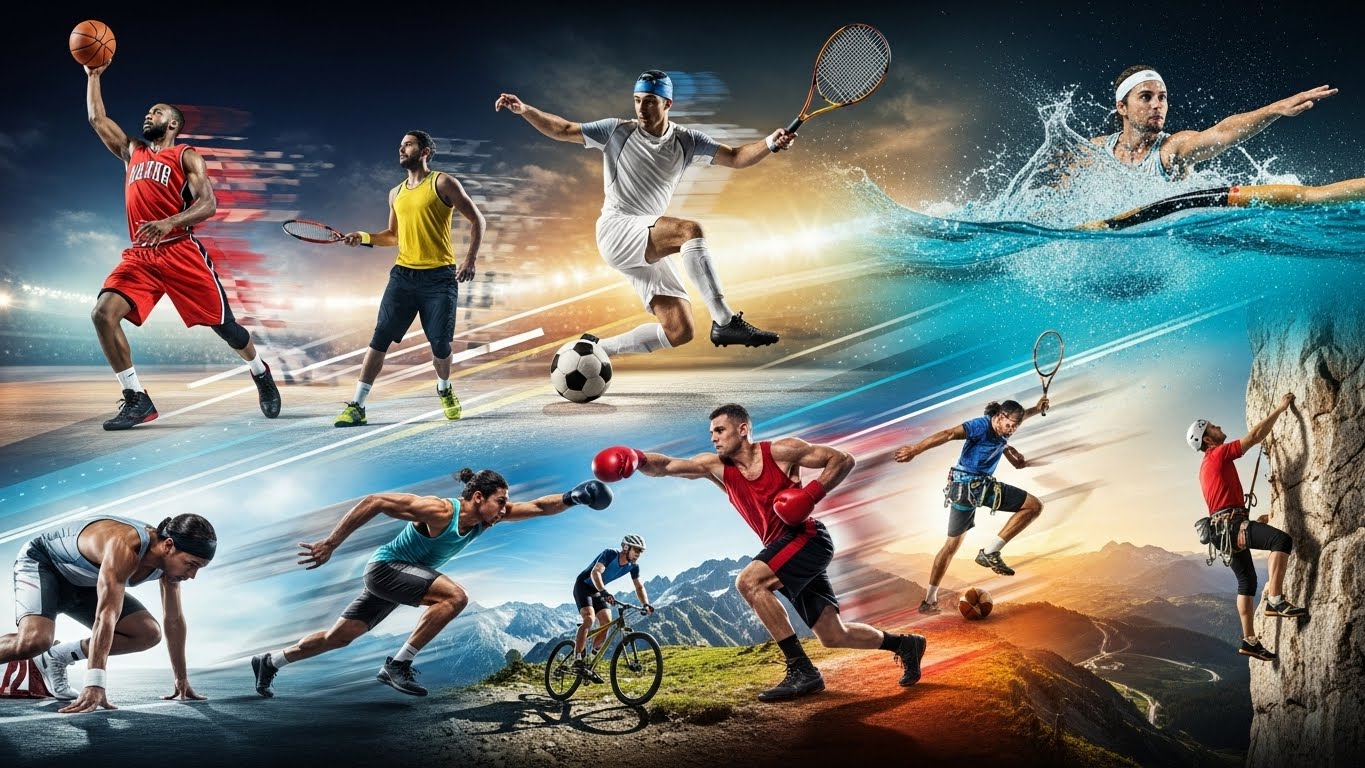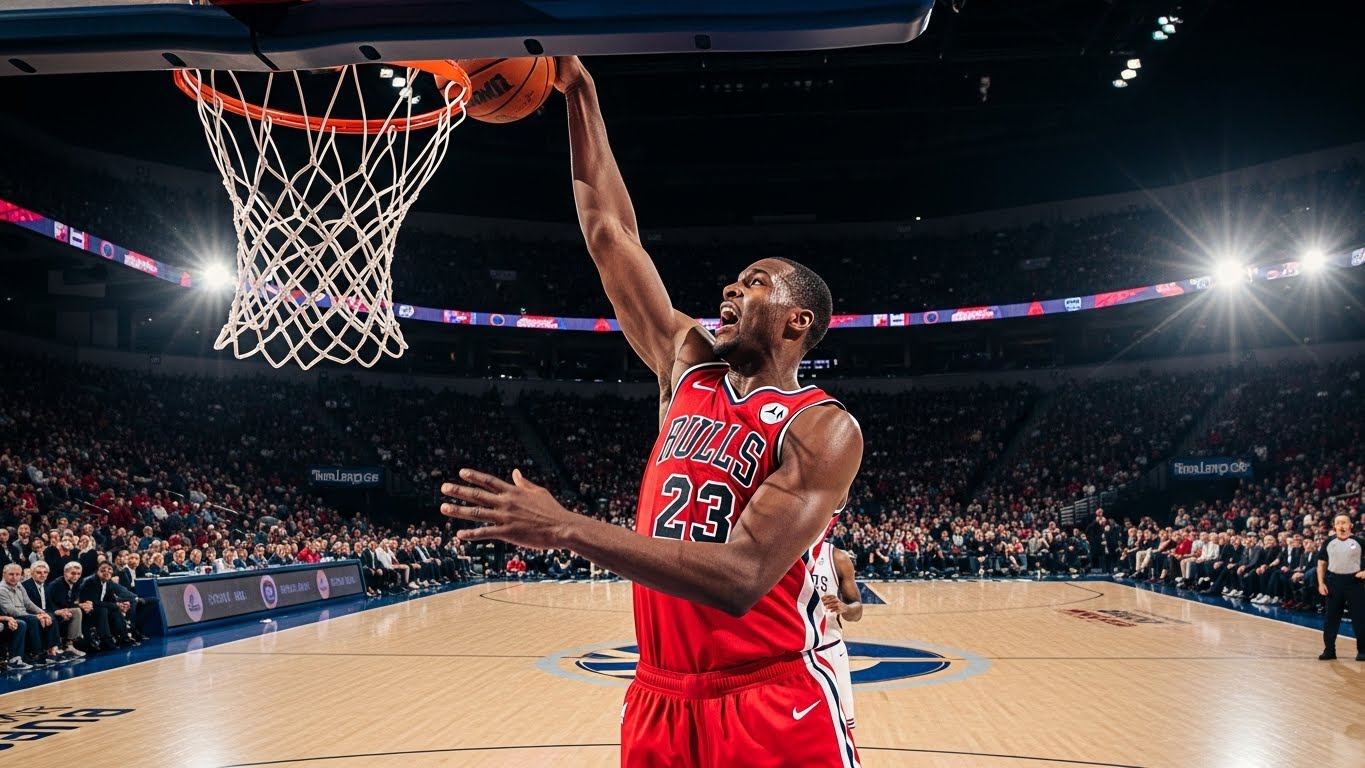
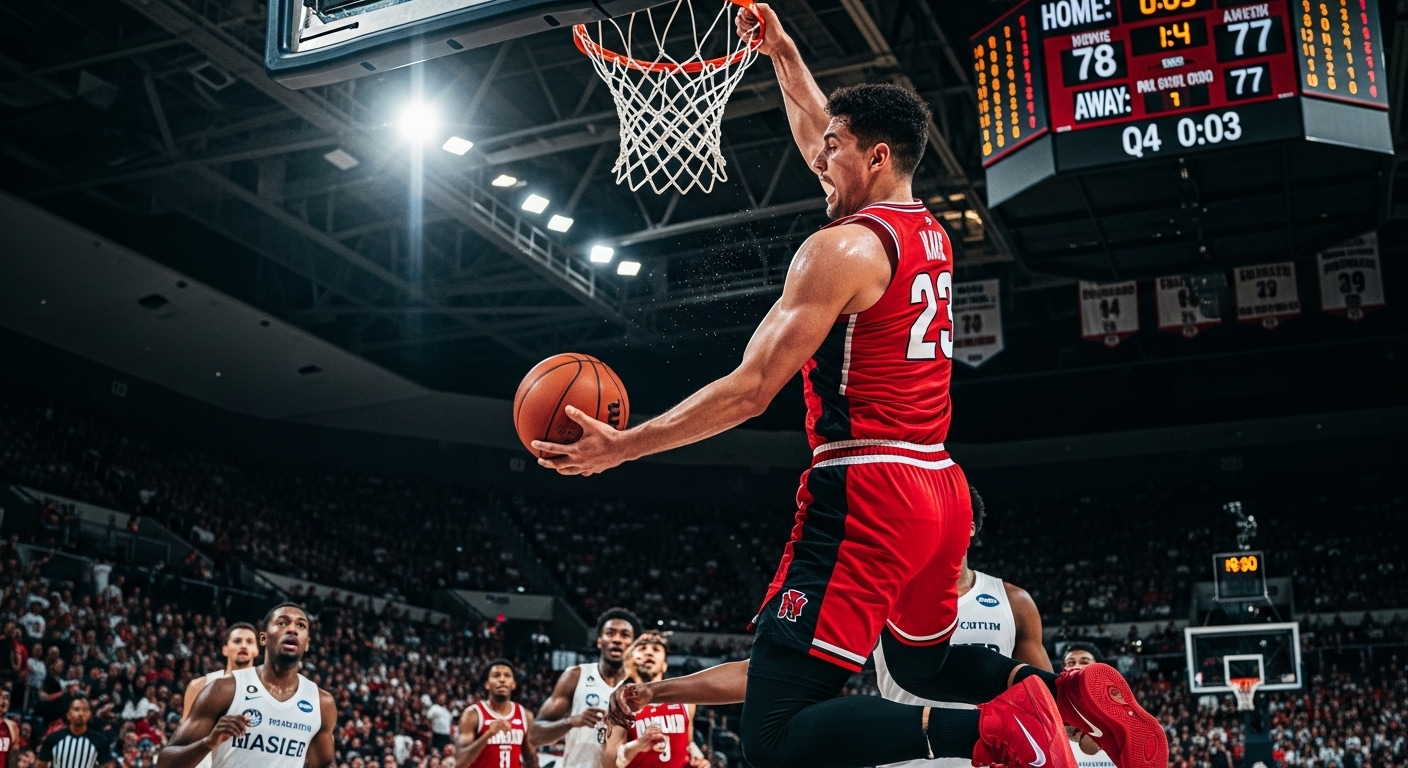
Sports have been a part of human culture for thousands of years. From the ancient Olympic Games in Greece to modern-day global spectacles like the FIFA World Cup and the Olympics, sports have transcended their original role as simple physical activities to become powerful forces of social, cultural, economic, and political significance. In today’s world, sports are not just about competition or entertainment—they are essential to understanding our shared human experience. This blog will delve into the evolution of sports, their profound impact on modern society, and how they continue to shape various aspects of our lives.
The Origins and Evolution of Sports
The history of sports stretches back to ancient civilizations. From the early days of human society, athletic competition has served both a recreational and functional purpose. In Ancient Egypt, for example, physical contests such as wrestling, running, and archery were depicted in hieroglyphics. These activities were not just forms of entertainment but also vital for military training and spiritual rituals. However, it was in Ancient Greece that organized sports, as we understand them today, truly began to take shape.
The ancient Olympic Games, first held in 776 BCE, are considered the birthplace of modern sports. The Greeks viewed sports as a way to honor their gods, particularly Zeus. Athletes from various city-states competed in running, boxing, wrestling, and other events. These competitions were held every four years, and the Olympics became a symbol of unity among the Greek people. The Games were not just athletic contests but also cultural and religious celebrations, deeply ingrained in Greek society.
As history progressed, the Roman Empire took sports in a different direction. Gladiatorial combat and chariot races became the most popular events in Roman society. These spectacles were characterized by brutality and served as a means to display the power of the empire. Although these early Roman events were less about physical skill and more about entertainment, they set the stage for the development of sports that combined both skill and spectacle.
During the Middle Ages, sports and games became more localized, with different regions developing their own versions of physical contests. However, with the rise of the Renaissance and the dawn of the modern era, the 18th and 19th centuries saw the formalization of sports into the organized, competitive activities we know today.
The Birth of Modern Sports
The Industrial Revolution in the 19th century brought about significant societal changes. With the growth of urbanization and the rise of leisure time, more people began to participate in organized sports. This was the period when the structure of modern sports began to emerge. National and international sports organizations were formed, and standardized rules began to govern various games. The establishment of football clubs, cricket leagues, and the creation of formalized competitions set the stage for the professional sports industry we recognize today.
One of the pivotal moments in the evolution of sports occurred in 1863 with the formation of the Football Association (FA) in England. This organization established the first official rules for the game of football (soccer), laying the foundation for its worldwide popularity. Soon after, other sports such as rugby, tennis, and cricket developed similar organizations that standardized rules and facilitated the growth of competitive play.
The establishment of the modern Olympics in 1896 was another landmark event. The Olympic Games, initially inspired by ancient Greek traditions, became a global spectacle that would bring together athletes from all over the world. The Games are not just an athletic competition but also a celebration of cultural diversity and international unity.
The Commercialization of Sports
The commercialization of sports is one of the most significant developments in modern society. With the advent of television and the rise of mass media, sports became more accessible to a global audience. Major events such as the World Cup, the Super Bowl, and the Olympic Games attracted millions of viewers, turning sports into a major industry. Broadcasting rights, sponsorship deals, and advertising quickly became an integral part of the business side of sports, generating vast sums of money and turning athletes into global celebrities.
One of the key drivers behind the commercialization of sports is the rise of corporate sponsorship. Major companies now invest heavily in sports, from team sponsorships to individual endorsements. Brands like Nike, Adidas, Coca-Cola, and Red Bull have built their global empires by aligning themselves with top athletes and sporting events. The financial backing these companies provide has made it possible for sports leagues, teams, and athletes to grow and thrive, fueling an ever-expanding industry.
In addition to sponsorships, sports media has played a crucial role in shaping the modern sports landscape. Television networks, cable channels, and streaming services have brought sports into the homes of millions around the world. Sports channels like ESPN and Sky Sports provide 24/7 coverage of various events, while social media platforms like Twitter, Instagram, and YouTube have become essential tools for athletes to engage with their fans. The digital age has transformed how sports are consumed, making it easier for fans to follow their favorite teams and athletes in real time, no matter where they are in the world.
The Social Impact of Sports
Sports have a profound social impact on individuals and communities. They provide an outlet for people to express themselves physically, emotionally, and mentally. Whether it’s playing in a local league, supporting a favorite team, or simply watching an exciting match, sports offer a sense of belonging and a shared experience. This communal aspect of sports is what makes them so powerful in shaping human connections.
At a community level, sports foster social cohesion. Local sports clubs, youth teams, and recreational leagues bring people together, regardless of their background or social status. This helps to break down barriers and create a sense of shared identity and purpose. Sporting events often serve as a focal point for communities, providing a space for social interaction and engagement. Local teams can become a source of pride, and the success of a team or athlete can unite an entire neighborhood or town in celebration.
Sports also provide a platform for addressing social issues. Over the years, athletes have used their platform to speak out on various causes, from racial inequality to gender discrimination. The 1968 Black Power salute at the Mexico City Olympics, when American sprinters Tommie Smith and John Carlos raised their fists in protest of racial injustice, was a powerful moment in history that highlighted the intersection of sports and politics. More recently, NFL player Colin Kaepernick’s protest against police brutality by kneeling during the national anthem sparked a global conversation about race and social justice. These acts of protest demonstrate the potential of sports to influence societal change.
Additionally, sports have been a means of promoting gender equality. While historically, women’s participation in sports has been limited, the past few decades have seen significant progress. The passing of Title IX in the United States in 1972 mandated equal opportunities for women in sports at educational institutions, and this paved the way for the rise of professional women’s sports leagues. Athletes like Serena Williams, Billie Jean King, and Megan Rapinoe have used their fame to advocate for gender equality, proving that sports can be an agent for social change.
Sports and the Economy
The economic impact of sports is enormous, influencing industries beyond the sports sector itself. The global sports market is worth billions of dollars, with revenue generated from ticket sales, broadcasting rights, merchandise, sponsorships, and tourism. The professionalization of sports has created a vast and complex economy that involves athletes, coaches, sponsors, media companies, and fans.
The role of sports in the economy is most evident in major sporting events. Cities and countries that host events like the FIFA World Cup or the Summer Olympics experience significant economic benefits. These events attract millions of visitors, boost tourism, and create jobs in sectors such as hospitality, transportation, and retail. Hosting large-scale events also helps to promote the host city or country on the world stage, generating long-term economic benefits and improving the country’s global profile.
In addition to international events, professional sports leagues also contribute significantly to local economies. Teams like the New York Yankees in baseball, the Dallas Cowboys in football, and Manchester United in football generate substantial revenue from ticket sales, merchandise, and media rights. Local businesses surrounding sports stadiums, such as restaurants, bars, and shops, also benefit from the influx of fans during game days.
Moreover, the commercialization of sports has turned athletes into major brands in their own right. Superstar athletes like Michael Jordan, LeBron James, and Cristiano Ronaldo have become global icons, earning millions of dollars through endorsement deals with companies like Nike, Pepsi, and Clear. These athletes transcend their respective sports, becoming cultural figures who influence fashion, lifestyle, and even politics.
Health and Fitness Through Sports
One of the most significant benefits of sports is the promotion of physical health and fitness. Regular participation in physical activity has been proven to reduce the risk of chronic diseases such as heart disease, diabetes, and obesity. Sports provide an enjoyable way for individuals to stay active and maintain a healthy lifestyle. Whether it’s playing basketball, running, swimming, or cycling, sports encourage individuals to engage in physical activity regularly, which is essential for overall health.
Sports also offer mental health benefits. Physical activity is known to reduce stress, anxiety, and depression by releasing endorphins—natural mood elevators that improve overall well-being. The discipline, focus, and teamwork involved in sports can help individuals build resilience and cope with life’s challenges. Participating in team sports, in particular, fosters a sense of belonging and camaraderie, which can be essential for mental well-being.
For children and young people, sports provide an opportunity to develop important life skills. Playing sports teaches values like teamwork, perseverance, leadership, and communication. These skills not only contribute to success in sports but also help individuals succeed in other areas of life, such as education and the workplace.