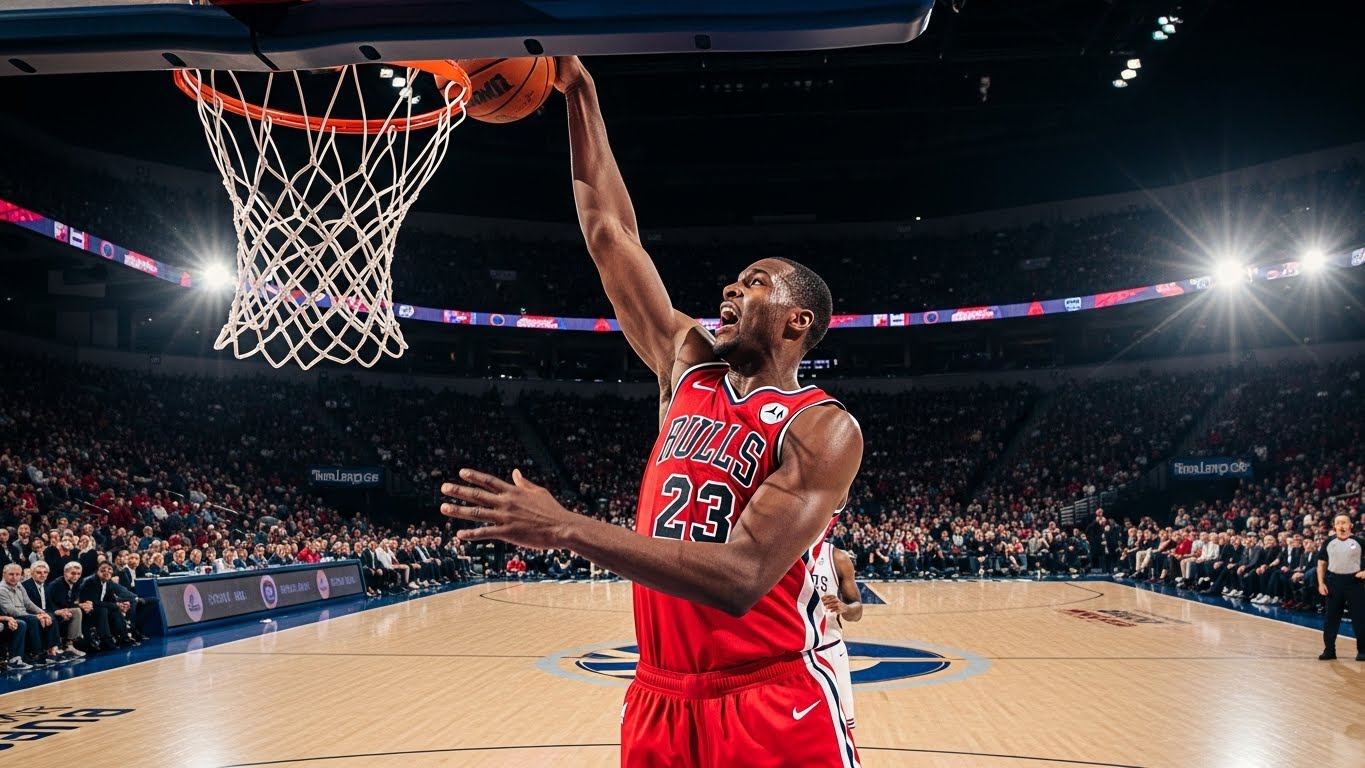

The foundation of any elite athlete’s career often begins long before they make headlines or lift championship trophies. Youth sports serve as the first arena where children learn not only the rules of a game but also the fundamentals of discipline, teamwork, and perseverance. The impact of youth sports extends far beyond the playing field, shaping character, instilling life skills, and laying the groundwork for future success in professional athletics. This blog explores the ways in which youth sports mold future champions, the benefits and challenges of early athletic development, and the broader implications for society and sports culture.
The Role of Youth Sports in Early Development
Participation in sports during childhood and adolescence plays a crucial role in physical, mental, and social development. Physically, youth sports help children build strength, coordination, flexibility, and cardiovascular fitness. Regular engagement in athletic activities reduces the risk of obesity, promotes healthy growth, and encourages lifelong habits of physical activity. Beyond the obvious physical benefits, sports provide structured environments where children can practice focus, goal-setting, and problem-solving, which are transferable to academic and professional pursuits.
Socially, youth sports foster teamwork, communication, and leadership skills. Children learn to navigate interpersonal dynamics, manage conflicts, and collaborate toward shared goals. These experiences are foundational for success not only in sports but also in life. Young athletes gain confidence through challenges, resilience through setbacks, and empathy by supporting teammates. The lessons learned on youth sports teams often echo into adulthood, shaping individuals who can thrive under pressure and contribute positively to society.
Talent Identification and Early Specialization
A critical aspect of youth sports in shaping future champions is talent identification and development. Coaches and scouts often observe young athletes to identify those with exceptional potential. Early recognition of talent allows for targeted training programs, access to elite coaching, and exposure to competitive environments. In some sports, such as gymnastics, figure skating, and soccer, early specialization is common, with children beginning intensive training programs at a young age.
While early specialization can accelerate skill development and provide competitive advantages, it also carries risks. Overtraining, burnout, and overuse injuries are potential downsides of focusing exclusively on one sport too early. Balancing specialization with participation in multiple sports can help young athletes develop diverse skills, reduce injury risk, and maintain long-term motivation. Programs that emphasize well-rounded development, rather than immediate results, tend to produce champions who are not only technically skilled but also mentally resilient.
The Influence of Coaches and Mentors
Coaches and mentors play a pivotal role in shaping future champions through youth sports. Beyond teaching technical skills and strategies, effective coaches instill values such as discipline, integrity, and sportsmanship. They model behavior, provide feedback, and create an environment where young athletes feel supported while being challenged to improve.
Mentorship is particularly important in teaching resilience. Young athletes inevitably face losses, setbacks, and moments of self-doubt. Coaches who provide constructive guidance help children understand that failure is part of the growth process, fostering a growth mindset that is essential for long-term success. Many professional athletes credit the influence of a coach or mentor in their youth as a defining factor in their journey to elite performance.
Building Mental Toughness Through Competition
Competition is a core component of youth sports that contributes significantly to the development of future champions. Facing opponents, managing pressure, and striving to improve performance under observation teach children how to handle stress, adapt strategies, and remain composed in challenging situations. These experiences cultivate mental toughness, a quality often cited by elite athletes as crucial to their success.
Youth sports competitions, whether in local leagues, school tournaments, or national championships, provide safe yet demanding environments for young athletes to experience both victory and defeat. Learning to celebrate success without arrogance and cope with loss without discouragement prepares them for the higher stakes of professional competition. Mental resilience developed through youth sports often translates to perseverance, confidence, and emotional regulation in other areas of life.
The Role of Teamwork and Leadership
Participation in team sports offers unique lessons in collaboration and leadership that individual sports may not provide to the same extent. Working together toward a common goal teaches young athletes how to trust their teammates, communicate effectively, and contribute to collective success. Team dynamics also expose children to diverse personalities, helping them develop adaptability, empathy, and conflict-resolution skills.
Leadership opportunities within youth sports, such as being a team captain or leading drills, allow children to practice decision-making, motivate others, and assume responsibility. These experiences nurture qualities that are essential for future champions, who must often guide teams, inspire peers, and take initiative under high-pressure situations.
Cultivating a Growth Mindset
A critical psychological aspect of youth sports is the cultivation of a growth mindset. Children who view challenges as opportunities for improvement rather than as threats to their abilities are more likely to persevere, embrace feedback, and continuously refine their skills. Coaches, parents, and mentors play a key role in fostering this mindset by emphasizing effort, progress, and learning over mere results.
A growth mindset encourages young athletes to embrace setbacks as learning experiences, persist through difficult training sessions, and maintain intrinsic motivation. Many elite athletes credit their success to early lessons in resilience, self-improvement, and the understanding that mastery comes through consistent effort rather than innate talent alone.
Balancing Academics and Athletics
While youth sports can be highly demanding, balancing athletic commitments with academics is crucial for holistic development. Programs that integrate educational support ensure that young athletes do not sacrifice intellectual growth for athletic advancement. Time management, goal-setting, and discipline learned from balancing school and sports become invaluable skills for future champions, who often face rigorous schedules at professional levels.
Education also provides a safety net for young athletes, offering alternative pathways if a professional sports career does not materialize. Promoting academic achievement alongside athletic excellence prepares children to thrive both on and off the field, fostering well-rounded individuals who can succeed in multiple domains.
Parental Involvement and Support
Parents play a significant role in shaping the experiences and success of young athletes. Supportive parents provide encouragement, help navigate challenges, and create a positive environment for growth. However, parental involvement requires balance. Excessive pressure, unrealistic expectations, or overemphasis on winning can lead to stress, burnout, and diminished enjoyment of sports.
The most effective parental support focuses on nurturing effort, celebrating progress, and promoting a love of the game. By emphasizing personal growth and healthy competition, parents help young athletes develop the confidence and motivation needed to pursue long-term goals and become future champions.
The Impact of Sports Technology and Analytics
Modern youth sports increasingly incorporate technology and analytics to enhance training and performance. Wearable devices, motion capture systems, and performance-tracking software allow young athletes to monitor their progress, refine techniques, and set measurable goals. Video analysis provides insights into strengths, weaknesses, and areas for improvement, enabling targeted practice and skill development.
While technology offers numerous benefits, it is important to maintain balance. Overreliance on data can sometimes overshadow fundamental skill development, creativity, and intuitive decision-making. The most effective programs integrate technology as a tool to complement traditional coaching methods rather than replace them.
Exposure to Elite Competition and Role Models
Exposure to high-level competition and professional role models can inspire young athletes to pursue excellence. Attending professional games, meeting elite athletes, and participating in national or international tournaments provide firsthand experiences of what it takes to compete at the highest levels. Role models demonstrate dedication, work ethic, and sportsmanship, offering tangible examples of success.
Observing and interacting with elite athletes motivates young participants to set ambitious goals, adopt best practices, and emulate positive behaviors. These experiences instill aspiration and ambition, key ingredients for shaping future champions.
Inclusivity and Diversity in Youth Sports
Promoting inclusivity and diversity in youth sports is essential for nurturing talent and fostering equitable opportunities. Programs that welcome children of all backgrounds, abilities, and genders create a richer, more dynamic environment for learning and growth. Exposure to diverse teammates and competitors enhances cultural understanding, adaptability, and teamwork.
Inclusive sports programs also expand the talent pool, increasing the likelihood of identifying exceptional athletes. By removing barriers to participation and promoting access to quality training, youth sports can cultivate champions who are representative of a broader, more diverse population.
Long-Term Athletic Development Models
Many sports organizations now adopt long-term athletic development (LTAD) models to guide youth sports programs. These models emphasize progressive skill acquisition, age-appropriate training, and holistic development rather than early specialization or immediate results. LTAD approaches prioritize physical literacy, technical skills, psychological resilience, and social development, ensuring that young athletes are well-prepared for elite competition while maintaining enjoyment and motivation.
Research suggests that athletes who follow LTAD principles are less prone to injury, burnout, and dropout, and are more likely to achieve success at professional levels. These structured approaches highlight the importance of balancing competitive success with long-term well-being and development.
Challenges and Risks in Youth Sports
While youth sports offer numerous benefits, challenges and risks exist. Intense competition, high expectations, and rigorous training can lead to physical injuries, mental stress, and burnout. Overemphasis on winning at a young age can erode enjoyment and diminish intrinsic motivation. Additionally, disparities in access to resources, quality coaching, and facilities can limit opportunities for talented children from underserved communities.
Addressing these challenges requires a holistic approach that prioritizes athlete well-being, equitable access, and a focus on personal growth. Programs that balance competitiveness with support, mentorship, and education create an environment where young athletes can thrive and reach their full potential.
Success Stories: Champions Shaped by Youth Sports
Many of the world’s most celebrated athletes credit youth sports with shaping their careers. Professional basketball players, soccer stars, Olympic gymnasts, and tennis champions often point to early experiences on local teams, mentorship from coaches, and participation in youth competitions as pivotal in their development. These success stories illustrate the profound impact of youth sports in fostering talent, resilience, and ambition. They also serve as inspiration for the next generation, highlighting the value of dedication, discipline, and passion cultivated from a young age.
The Broader Societal Impact of Youth Sports
Beyond producing elite athletes, youth sports contribute to broader societal benefits. Participation in sports promotes healthy lifestyles, reduces risky behaviors, and enhances social cohesion. Communities that support youth sports often experience stronger networks, greater civic engagement, and increased opportunities for youth empowerment.
By shaping future champions, youth sports also create role models who inspire others and elevate the visibility of sports as a vehicle for positive change. The influence extends beyond individual success, fostering a culture of excellence, teamwork, and perseverance that resonates across communities.
Conclusion
Youth sports serve as the foundation upon which future champions are built. From physical development and technical skill acquisition to mental toughness, teamwork, and leadership, the experiences gained in childhood and adolescence shape athletes for professional success. Coaches, parents, mentors, and communities play critical roles in providing guidance, support, and opportunities for growth.
Balancing competition with holistic development, promoting inclusivity, and fostering a love for the game are essential for creating environments where young athletes can thrive. While challenges exist, the rewards of participation—resilience, discipline, confidence, and social skills—extend far beyond the playing field.
Ultimately, youth sports are more than a pathway to professional achievement; they are a crucible for character, ambition, and lifelong growth. By nurturing young athletes, we not only cultivate future champions but also inspire healthier, more resilient, and socially conscious individuals who carry the lessons of sports into every aspect of their lives.