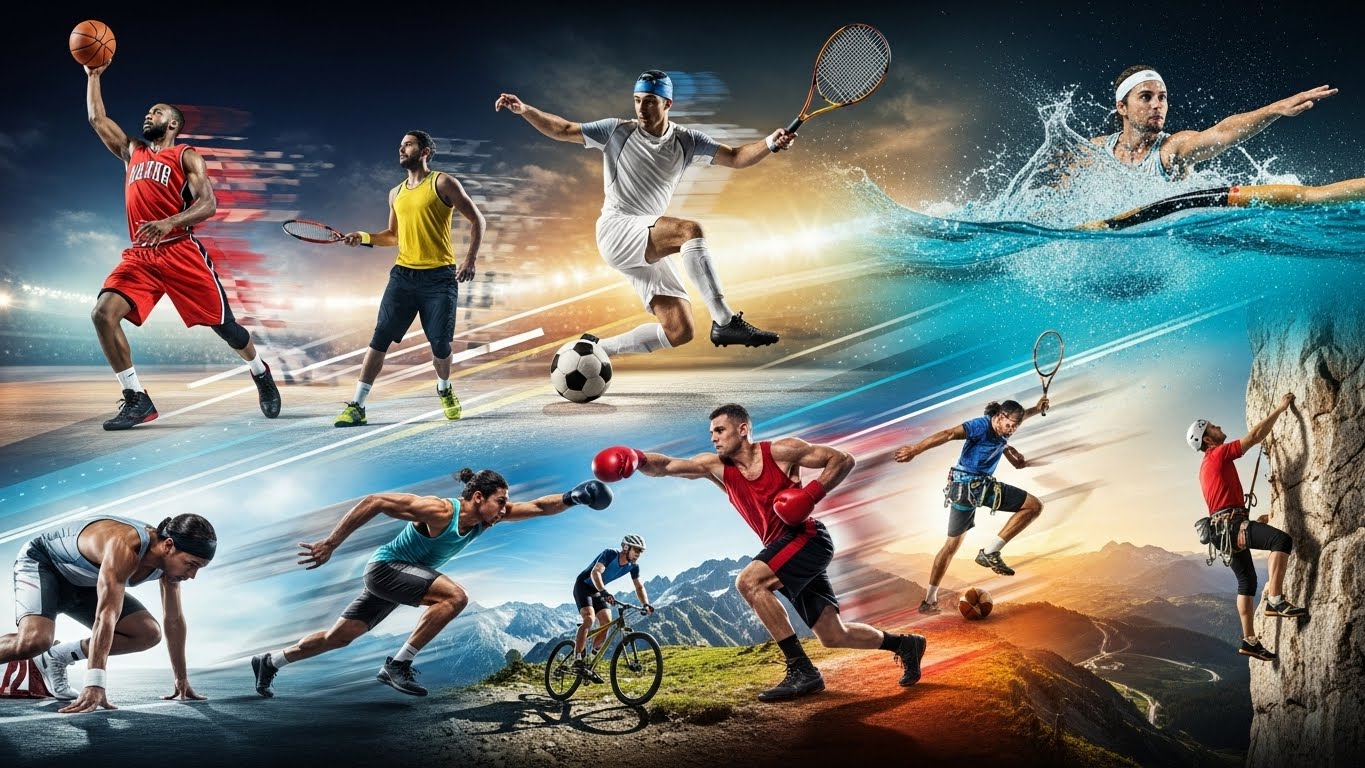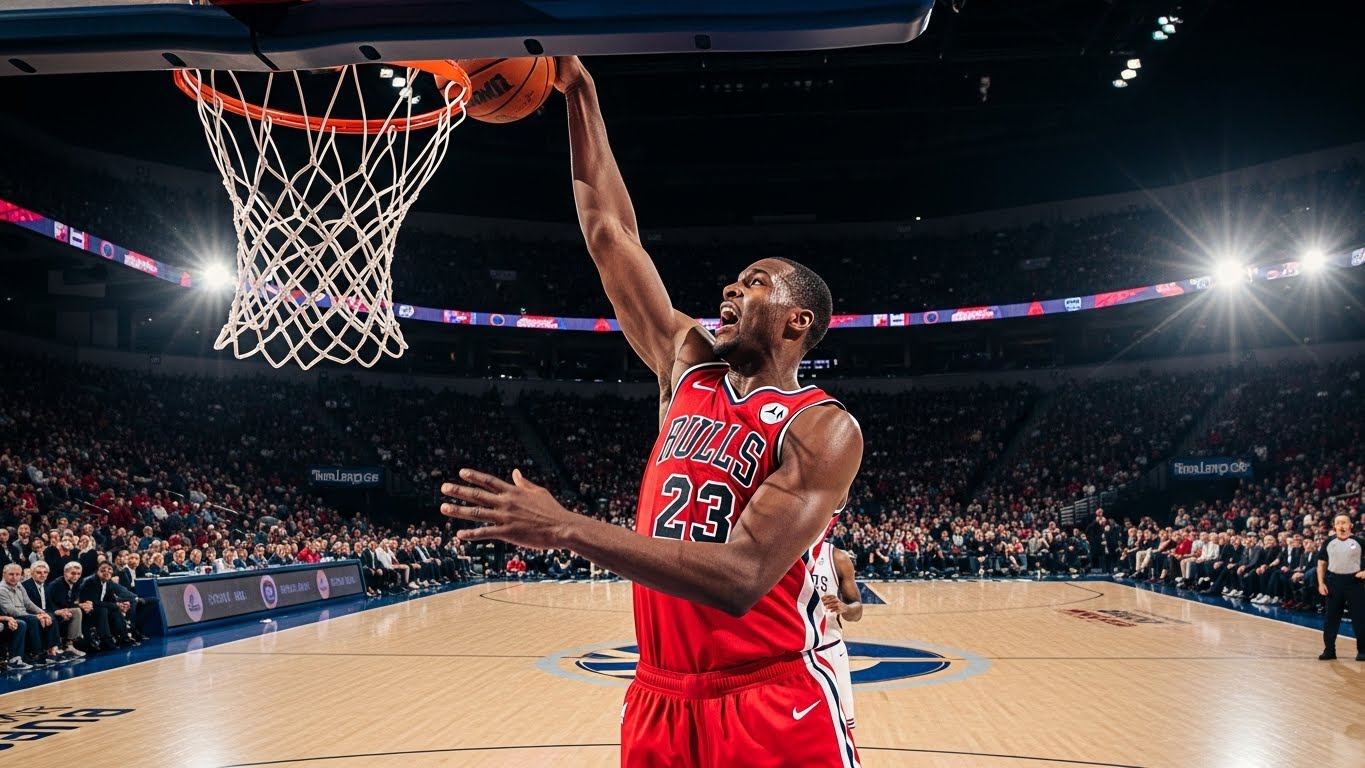

Sports have been an integral part of human history and culture for centuries. From the ancient Olympic Games to modern-day global events like the FIFA World Cup and the Summer Olympics, sports have the ability to unite people from all walks of life. But what is it about sports that captivates so many? Is it the competition, the excitement, or the pure physicality of athletes pushing their bodies to the limit? In this blog post, we’ll explore the world of sports, the passion behind the games, and how they transcend boundaries to become a universal language of connection.
The Universal Language of Sports
Sports are more than just physical activities or competitive games; they are a universal language that binds cultures, transcends borders, and creates connections that are often more profound than any spoken word. Whether you’re cheering for your favorite team at a stadium, watching a game on TV, or simply playing in the park with friends, sports bring people together.
At their core, sports have a way of uniting individuals regardless of their background, nationality, or language. This is particularly evident in major global events such as the FIFA World Cup or the Olympic Games. These international events are more than just sporting competitions; they are moments where people from different countries and cultures come together to celebrate shared human experiences. The emotions that athletes and fans feel, whether it’s the thrill of victory or the agony of defeat, are universally understood.
The Power of Competition
One of the key elements that make sports so exciting is competition. The inherent desire to win, to be the best, drives athletes to put in countless hours of training, improve their skills, and test their limits. From local youth leagues to professional sports, competition fosters a sense of purpose and achievement. The pursuit of excellence is not just about winning but also about personal growth, teamwork, and resilience.
Competition in sports can be intense, but it is also a celebration of human potential. Athletes push their bodies to extremes, whether it’s running faster, jumping higher, or lifting more weight. Records are broken, milestones are reached, and new heights of achievement are constantly being set. The thrill of watching a close match, a game-winning goal, or an underdog team overcoming all odds is a feeling that cannot be replicated in any other setting.
The Physical and Mental Benefits of Sports
Sports are not just about the thrill of competition; they also offer a wide range of physical and mental health benefits. Regular participation in sports helps improve cardiovascular health, build strength, increase flexibility, and promote overall well-being. But beyond the physical benefits, sports also provide significant mental and emotional advantages.
Engaging in sports helps reduce stress, anxiety, and depression. It promotes the release of endorphins, the body’s natural mood enhancers, which can lead to a more positive outlook on life. For many people, sports provide a sense of purpose, a break from daily pressures, and a way to connect with others. The social aspect of sports, whether it’s playing in a team or supporting a favorite team, also plays a crucial role in mental health. The bonds that form between teammates and fans create a sense of community and belonging.
Moreover, sports help develop life skills that are transferable to other areas of life. Discipline, focus, time management, and goal setting are all essential components of athletic success. These traits, cultivated through sports, can be applied to personal and professional endeavors, enhancing one’s ability to succeed in various aspects of life.
The Role of Technology in Modern Sports
In recent years, technology has played a pivotal role in transforming the landscape of sports. From advanced performance analytics to wearable devices that track athletes’ biometrics, technology has revolutionized the way we train, compete, and enjoy sports. One of the most significant impacts of technology has been on the analysis of performance.
Athletes and coaches now have access to real-time data that allows them to fine-tune their training regimens, monitor progress, and make adjustments to improve performance. Video analysis tools allow coaches to break down every movement, while virtual reality (VR) and augmented reality (AR) offer immersive training experiences. These technologies have made sports training more precise, efficient, and data-driven than ever before.
On the fan side, technology has made following sports more interactive and engaging. Fans can now access live streaming, instant replays, and detailed statistics, all from the comfort of their homes. Social media platforms have also played a significant role in connecting fans with their favorite athletes and teams, allowing for direct interaction and engagement. In many ways, technology has made sports more accessible and enjoyable for people worldwide.
The Impact of Sports on Society
Sports have a profound impact on society, influencing everything from national pride to social issues. Athletes are often seen as role models, and their actions, both on and off the field, can inspire change. For example, many athletes have used their platform to raise awareness for important social issues, such as racial equality, gender rights, and environmental sustainability.
The power of sports to effect change is particularly evident when we look at moments in history where athletes have taken a stand. From Muhammad Ali’s refusal to be drafted into the Vietnam War to Colin Kaepernick kneeling during the national anthem to protest racial injustice, sports have been a powerful platform for social and political activism. Athletes are using their fame and influence to bring attention to issues that matter, challenging societal norms and pushing for progress.
Additionally, sports can have a positive impact on the economy. Major sporting events, such as the Super Bowl, the Olympics, or the FIFA World Cup, generate significant revenue through ticket sales, merchandise, broadcasting rights, and tourism. These events also create jobs and stimulate local economies. The growth of sports leagues and organizations around the world has turned sports into a multi-billion-dollar industry, with sponsorships and endorsements becoming key revenue streams for athletes and teams.
The Future of Sports
As we look toward the future, the landscape of sports continues to evolve. Emerging trends, such as eSports, are gaining traction, attracting a younger generation of fans who are more digitally connected than ever before. eSports, which involves competitive video gaming, has become a global phenomenon, with millions of fans tuning in to watch tournaments and follow their favorite players.
The increasing focus on inclusivity and gender equality in sports is also shaping the future. Women’s sports, once marginalized, are gaining more visibility and support. The success of women’s teams and athletes, such as the U.S. Women’s National Soccer Team or tennis star Serena Williams, has inspired a new wave of female athletes and fans. This growing momentum is creating opportunities for young women to pursue sports at all levels and is helping to break down gender barriers in traditionally male-dominated sports.
Moreover, the integration of sustainability practices in sports is becoming more important. As awareness about climate change and environmental impact grows, many sports organizations are adopting eco-friendly practices, from reducing waste at events to promoting sustainable transportation for fans. The future of sports will likely see an increased focus on reducing the environmental footprint of major events and sports teams, as well as fostering a sense of responsibility among fans and athletes.
Conclusion
Sports are more than just games; they are a reflection of our passion, dedication, and humanity. They inspire us to be better, push our limits, and come together as a global community. From the thrill of competition to the joy of victory and the lessons learned from defeat, sports shape our lives in ways that go beyond the playing field. Whether you’re an athlete, a fan, or someone who simply enjoys watching, sports offer a unique and powerful experience that resonates with all of us. The future of sports is bright, filled with new innovations, new opportunities, and a continued commitment to inclusivity and social responsibility. So, let’s continue to celebrate the spirit of sports, because, in the end, it’s not just about winning; it’s about the shared experience that makes sports truly unforgettable.