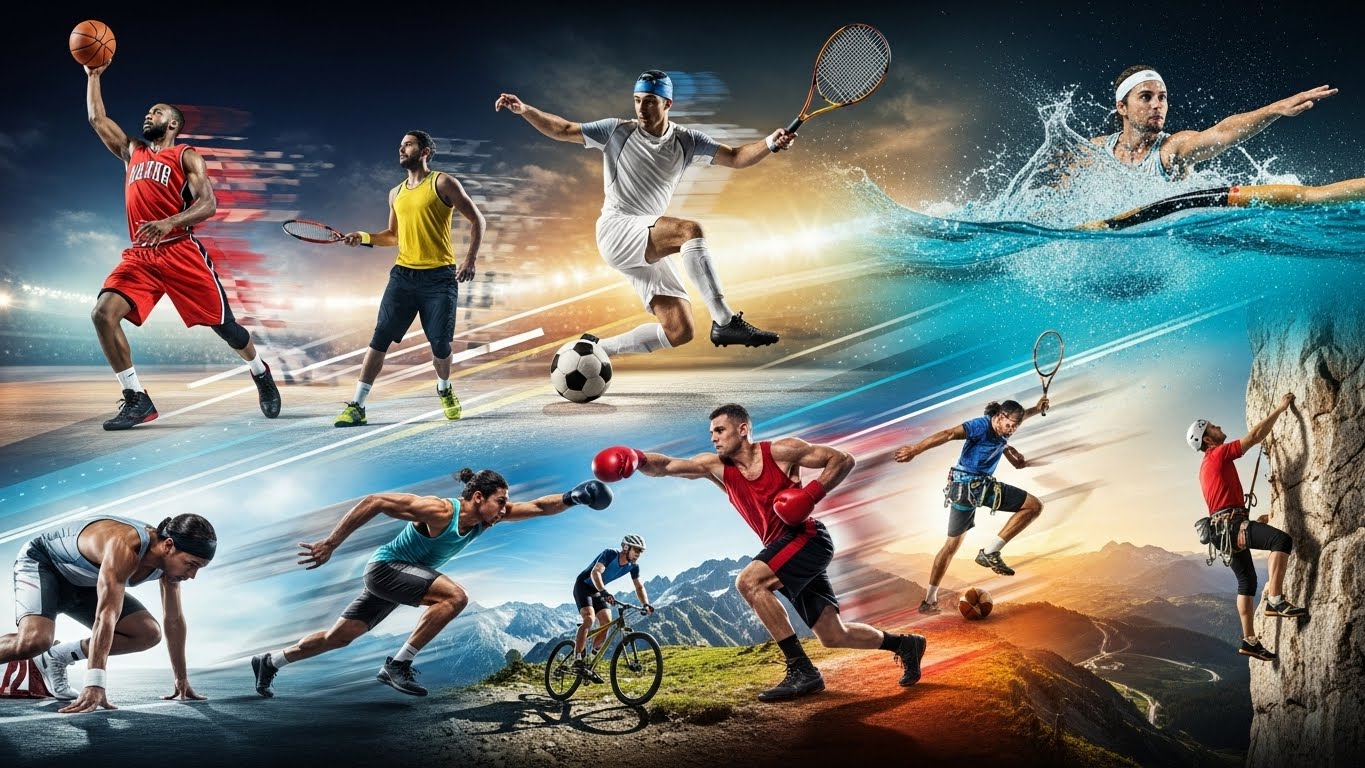

Sports have been an integral part of human civilization for centuries, shaping cultures, societies, and individual lives. From ancient Olympic games in Greece to modern-day global sporting events, sports continue to inspire, entertain, and unify people across the globe. Beyond competition, sports embody values such as discipline, teamwork, resilience, and dedication. In this blog, we explore the multifaceted influence of sports, the diversity of athletic pursuits, and the profound lessons they impart on those who engage with them.
The Historical Roots of Sports
The history of sports dates back thousands of years, reflecting the evolution of human society. Ancient civilizations used athletic competitions for religious ceremonies, military training, and social entertainment. For instance, the Greeks pioneered the Olympic Games, which emphasized physical excellence, honor, and communal celebration. Similarly, in ancient China, martial arts and archery contests showcased discipline, skill, and strategic thinking.
These early forms of sports were not merely recreational; they were deeply intertwined with cultural values and identity. Participation in sports often symbolized courage, endurance, and a connection to the community. Over time, sports evolved into structured competitions with codified rules, transforming from ceremonial displays into organized events that could be enjoyed by spectators and participants alike.
The Role of Sports in Personal Development
Engaging in sports has numerous benefits for personal growth. Physical activity enhances overall health, builds strength, and improves cardiovascular fitness. Beyond physical well-being, sports cultivate mental toughness, emotional resilience, and self-confidence. Athletes learn to handle pressure, manage failure, and set achievable goals.
Team sports, in particular, foster collaboration, communication, and leadership skills. Working together toward a common objective requires understanding, trust, and strategic thinking. Individual sports, on the other hand, teach self-reliance, discipline, and the importance of perseverance. The challenges faced in sports often mirror real-life struggles, preparing individuals to tackle obstacles both on and off the field.
The Global Impact of Sports
Sports have a unique ability to transcend cultural, linguistic, and political boundaries. International sporting events such as the FIFA World Cup, the Olympic Games, and the Cricket World Cup unite millions of fans from diverse backgrounds. These events create a shared sense of excitement and collective identity, fostering mutual respect and understanding.
In addition, sports have economic and social significance. Professional leagues, tournaments, and events generate employment, tourism, and revenue, contributing to local and global economies. Sports also serve as platforms for social change, raising awareness about issues such as equality, environmental conservation, and health. Athletes often use their influence to advocate for causes, inspiring positive action in society.
The Evolution of Modern Sports
Modern sports have undergone significant transformations over the last century. Advancements in technology, training methods, and sports science have elevated athletic performance to unprecedented levels. Video analysis, biometric monitoring, and data-driven strategies enable athletes to optimize their skills and refine their techniques.
Moreover, sports have become more inclusive, with increased opportunities for women, differently-abled individuals, and marginalized communities. Initiatives promoting diversity and accessibility ensure that sports can be a source of empowerment for everyone. Professional leagues now celebrate achievements across gender, age, and ability, reflecting a broader societal commitment to equality.
Popular Sports Around the World
Sports vary widely across cultures, reflecting regional preferences and historical traditions. Soccer, known as football outside the United States, is the most popular sport globally, celebrated for its simplicity, teamwork, and strategic depth. Cricket holds a special place in countries like India, Australia, and England, blending skill, patience, and mental acuity.
Basketball, with its fast-paced action and high-scoring games, has captivated fans worldwide. Tennis, swimming, and athletics showcase individual excellence, often highlighting speed, agility, and endurance. Martial arts, including judo, taekwondo, and karate, emphasize discipline, respect, and precision. Each sport carries its unique charm and cultural significance, attracting dedicated fans and aspiring athletes alike.
The Psychological Benefits of Sports
Participating in sports positively influences mental health. Regular physical activity releases endorphins, reducing stress, anxiety, and depression. Team interactions foster social connections, combating feelings of isolation and loneliness. Sports also instill a sense of purpose and achievement, promoting overall well-being.
Moreover, sports teach critical life skills. Goal-setting, strategic planning, and resilience become ingrained habits that extend beyond athletic endeavors. Athletes learn to embrace challenges, adapt to setbacks, and persist despite difficulties. These lessons are invaluable in personal and professional life, demonstrating the profound psychological impact of sports.
Sports as a Medium for Cultural Exchange
Sports provide a unique platform for cultural exchange. International competitions encourage athletes and fans to interact with diverse cultures, traditions, and perspectives. This exchange fosters mutual respect, understanding, and global awareness.
For example, the Olympics showcase athletes from nearly every country, promoting a spirit of unity and international cooperation. Similarly, global football tournaments bring together fans who celebrate their cultural identities while appreciating the talents of other nations. Through sports, people learn to value diversity, celebrate excellence, and connect across borders.
The Importance of Youth Sports
Youth sports play a critical role in shaping the next generation. Participation in organized sports builds physical fitness, teamwork, and social skills from an early age. Children and teenagers learn valuable lessons in discipline, time management, and leadership while developing lifelong habits of health and activity.
Moreover, youth sports encourage positive competition, resilience, and self-esteem. Experiencing both victories and defeats teaches young athletes to handle emotions constructively and cultivate a growth mindset. Schools, community programs, and local clubs play a pivotal role in nurturing talent, ensuring that every child has access to the benefits of sports.
Iconic Athletes and Their Legacy
Throughout history, certain athletes have transcended their sport, leaving an indelible mark on society. Figures like Muhammad Ali, Serena Williams, Lionel Messi, and Michael Jordan are celebrated not only for their exceptional skills but also for their perseverance, leadership, and influence.
These athletes inspire millions by demonstrating what dedication, hard work, and passion can achieve. Their journeys often highlight the challenges of failure, discrimination, and personal struggles, reminding us that success is earned through effort and resilience. The legacy of iconic athletes extends beyond records and trophies; it resides in the inspiration they provide to generations of aspiring sportspeople.
The Role of Sports in Health and Fitness
Sports play a crucial role in maintaining health and fitness. Regular participation improves cardiovascular health, strengthens muscles, and enhances flexibility. Physical activity also boosts the immune system and promotes healthy weight management.
Beyond the physical benefits, sports encourage mental sharpness and emotional balance. Engaging in athletic activities stimulates cognitive functions, including focus, memory, and decision-making. Furthermore, the social aspect of sports provides emotional support, creating a holistic approach to well-being that integrates body, mind, and community.
Challenges and Controversies in Sports
Despite its many benefits, sports are not without challenges and controversies. Issues such as doping, corruption, inequality, and commercialization often overshadow the spirit of fair play. Performance-enhancing drugs undermine competition, while financial disparities limit opportunities for talented athletes from disadvantaged backgrounds.
Additionally, the intense pressure on professional athletes can lead to burnout, mental health struggles, and ethical dilemmas. Addressing these challenges requires a commitment to integrity, transparency, and inclusivity. Organizations, coaches, and fans all play a role in preserving the ethical and moral values that sports embody.
The Future of Sports
The future of sports promises exciting innovations and opportunities. Technology will continue to enhance training, performance analysis, and fan engagement. Virtual and augmented reality may transform the way fans experience games, creating immersive and interactive experiences.
Inclusivity and accessibility will remain central to the evolution of sports. Efforts to promote gender equality, adaptive sports for individuals with disabilities, and grassroots development programs will expand the reach and impact of athletic activities. As society evolves, sports will continue to reflect our values, aspirations, and collective pursuit of excellence.
Conclusion: The Timeless Value of Sports
Sports are more than just games; they are a reflection of human spirit, creativity, and resilience. They unite communities, foster personal growth, and inspire greatness across generations. Whether played for leisure, competition, or professional achievement, sports enrich our lives in countless ways.
The lessons learned from sports—discipline, teamwork, perseverance, and respect—extend far beyond the playing field, shaping individuals and societies alike. As we celebrate the diversity, excitement, and transformative power of sports, it is clear that their influence will endure for centuries to come.