
Introduction: The Heartbeat of Human Passion
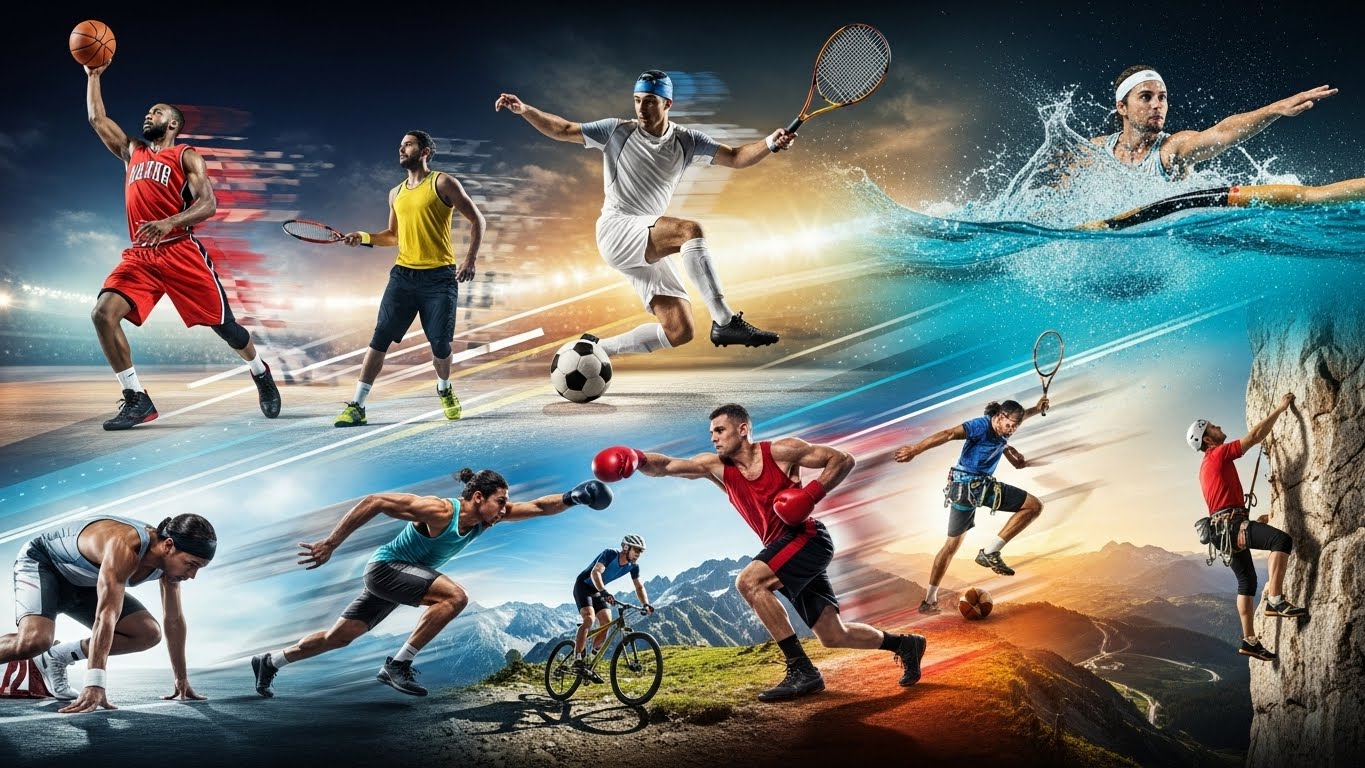
Sports are far more than games or competitions; they are a reflection of human emotion, discipline, and spirit. From the earliest foot races in ancient civilizations to the grand stadiums of today, sports have united people, broken barriers, and inspired greatness. Every whistle, every cheer, and every victory echoes the universal desire to strive for excellence.
Sports have always been woven into the fabric of human culture. They represent courage, teamwork, perseverance, and respect. Whether played professionally or for leisure, sports embody the values that shape societies and build character. In this modern age, where technology dominates daily life, sports remain one of the few human endeavors that celebrate raw effort, physical strength, and emotional endurance.
The Ancient Foundations of Sports
The love for sports dates back to the dawn of civilization. In ancient Greece, the Olympic Games were celebrated as a symbol of peace and unity among rival city-states. Athletes competed in running, wrestling, and javelin throwing, demonstrating strength and honor. Victory in the Olympics was considered a great national pride, symbolizing both personal excellence and divine favor.
Meanwhile, in Rome, gladiatorial contests and chariot races were not only entertainment but also displays of bravery and endurance. Across the world, ancient civilizations had their own sports—archery in Asia, ball games in Mesoamerica, wrestling in Africa, and martial arts in Japan. These ancient traditions laid the foundation for the modern world of sports, emphasizing the importance of physical ability, fairness, and community.
The Modern Transformation of Sports
The transformation of sports began in the 19th century when organized competitions became widespread. The establishment of the modern Olympic Games in 1896 revived the spirit of ancient athleticism with a modern global perspective.
As technology advanced, so did the organization of sports. International federations formed to regulate rules and promote global participation. Football, cricket, basketball, and athletics became international passions. The invention of radio and television made sports accessible to billions, turning local athletes into global icons.
In today’s world, sports are more than a pastime—they are an industry, an art, and a universal language that transcends borders. The modern sports arena celebrates diversity, innovation, and global unity while preserving the ancient spirit of fair play and perseverance.
The Role of Sports in Building Character
One of the most profound impacts of sports is their ability to shape character. Athletes learn discipline, resilience, and humility. They face challenges, endure losses, and rise again. Every training session, every failure, and every victory becomes a lesson in self-improvement.
Sports also teach teamwork. No matter the game, cooperation is essential. Every player must understand their role and trust their teammates. This sense of collaboration extends beyond the field, influencing how individuals interact in society.
Moreover, sports nurture leadership. Captains, coaches, and mentors guide others through example, fostering confidence and decision-making skills. The lessons learned through sports—commitment, respect, and focus—often become the foundation of success in all aspects of life.
The Mental Strength Behind Physical Performance
Behind every great athlete lies an equally strong mind. Sports are not just physical battles—they are mental duels. Confidence, concentration, and emotional control determine how well a player performs under pressure.
The psychology of sports plays a critical role in training and competition. Athletes practice visualization techniques, meditation, and mental conditioning to improve focus and handle stress. The ability to stay calm during crucial moments often separates champions from the rest.
Fans, too, share in the emotional journey. The highs of victory and the lows of defeat mirror life itself, teaching both athletes and supporters the importance of perseverance and hope.
The Power of Team Sports: Unity in Action
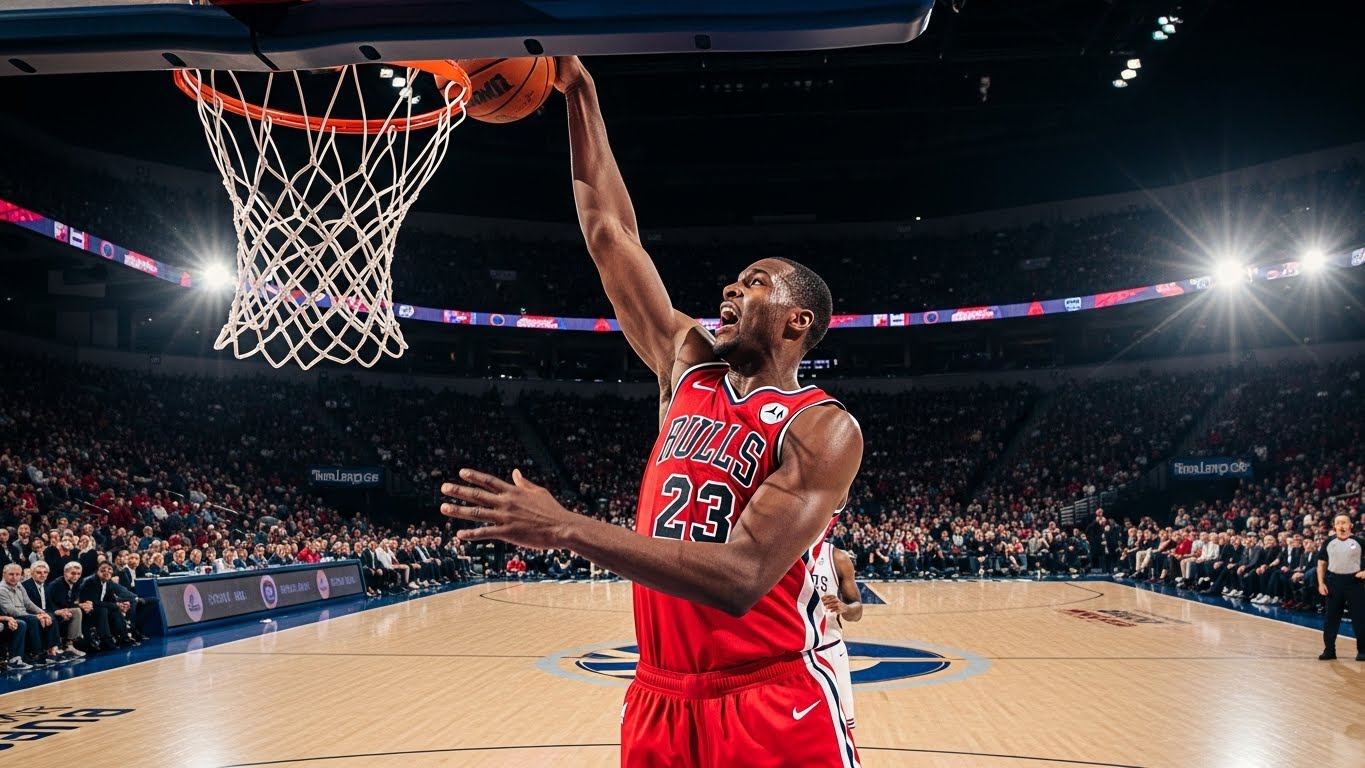
Team sports are a beautiful representation of human collaboration. Games like football, basketball, cricket, and hockey bring people together toward a common goal. Every player has a unique skill, but only unity brings victory.
Team sports promote communication, trust, and empathy. A player must understand teammates’ strengths and weaknesses and adapt accordingly. The bond built through shared effort and mutual respect often extends beyond the game, creating lifelong friendships.
Fans, too, form communities around their teams. Entire cities and nations unite to support their players, proving that sports have the extraordinary ability to connect millions of hearts through a shared dream.
The Individual Athlete: A Journey of Determination
While team sports celebrate unity, individual sports showcase the pure essence of personal determination. Whether it’s a runner chasing a new record, a tennis player battling for a title, or a gymnast perfecting a routine, individual athletes carry the weight of their dreams alone.
Their journey is one of self-discipline and focus. There are no teammates to rely on—every mistake and every victory is personal. This makes their achievements even more inspiring.
The stories of great individual athletes remind the world that success is not about luck but relentless effort. They prove that dedication, patience, and mental strength can overcome any obstacle.
The Influence of Technology on Sports
Technology has revolutionized every aspect of modern sports. From performance tracking to instant replays, innovation has made games more accurate, fair, and engaging.
Athletes now use wearable sensors to monitor heart rate, endurance, and recovery. Coaches analyze data to optimize training and prevent injuries. Video technology helps referees make fair decisions, ensuring integrity in every match.
Fans also benefit from technological progress. High-definition broadcasting, virtual reality experiences, and online streaming have made global sports more immersive than ever. Yet, despite all these advancements, the heart of sports remains the same—human passion and competition.
The Role of Sports in Education and Youth Development
Sports play an essential role in shaping young minds. Schools and colleges that promote athletics alongside academics create well-rounded individuals. Participation in sports teaches time management, teamwork, and responsibility.
For children, sports provide structure and discipline. They learn to handle wins and losses gracefully, to respect authority, and to work hard for their goals. It also keeps them physically active and mentally sharp, helping prevent lifestyle-related health problems.
At the community level, youth sports programs reduce social problems and promote inclusivity. They provide an outlet for creativity and energy while instilling a sense of belonging and pride.
The Healing Power of Sports
Sports possess a unique power to heal. They unite people in times of tragedy and serve as tools for peace and rehabilitation. Communities recovering from disaster or conflict often find hope and unity in sporting events.
For individuals, sports act as therapy. Physical activity releases endorphins, reducing stress and improving mood. For those with disabilities, adaptive sports offer a sense of freedom and achievement. Paralympic athletes, for example, prove that determination can overcome any limitation, inspiring millions around the world.
In essence, sports remind humanity that strength is not just physical—it is emotional, social, and spiritual.
The Global Impact of Sports
Sports are one of the few forces powerful enough to unite the world. International tournaments like the Olympics, World Cup, and Commonwealth Games bring together countries that may differ politically or culturally but share the same passion for competition.
These events promote cultural exchange, respect, and peace. Athletes become ambassadors of goodwill, proving that fair competition and mutual admiration can bridge divides.
Moreover, global sports events drive economic growth, tourism, and innovation. They create opportunities for nations to showcase their identity and for individuals to achieve global recognition.
The Economic and Social Value of Sports
Beyond the emotional and cultural influence, sports also contribute significantly to economies. The sports industry supports millions of jobs, from athletes and coaches to broadcasters, event managers, and manufacturers.
Sports sponsorships and merchandise generate revenue that supports community projects and youth programs. Stadiums and sporting events boost tourism, while sports charities raise funds for social causes.
The economic power of sports shows that passion can indeed drive progress, proving that games are not just entertainment—they are engines of opportunity and prosperity.
The Future of Sports: Innovation and Inclusion
As the world evolves, so does the landscape of sports. The future promises greater inclusivity, diversity, and sustainability. Women’s sports are gaining recognition, with female athletes becoming global icons. Adaptive technologies are making sports more accessible to all, regardless of ability.
Esports and virtual competitions are also rising, merging gaming with athleticism in the digital era. However, traditional sports continue to thrive, reminding us that physical skill and real-world effort can never be replaced by technology.
Sustainability has also become a priority. Many sports organizations are adopting eco-friendly practices to reduce waste, promote renewable energy, and protect the environment. The sports of the future will not only inspire competition but also protect the planet that makes them possible.
Conclusion: The Endless Spirit of the Game
Sports are not defined by trophies, medals, or records—they are defined by spirit. They teach humanity the power of persistence, the beauty of teamwork, and the importance of respect. Every athlete, whether amateur or professional, embodies the courage to dream, the strength to strive, and the grace to accept both victory and defeat.
From the playground to the world stage, sports mirror life itself. They remind us that success comes through effort, that failure is a step toward growth, and that unity can overcome division.
The true essence of sports lies beyond the scoreboard—it lies in the hearts of those who play, watch, and believe. No matter how the world changes, sports will remain a timeless expression of what it means to be human: to challenge, to connect, and to rise again, stronger than before.