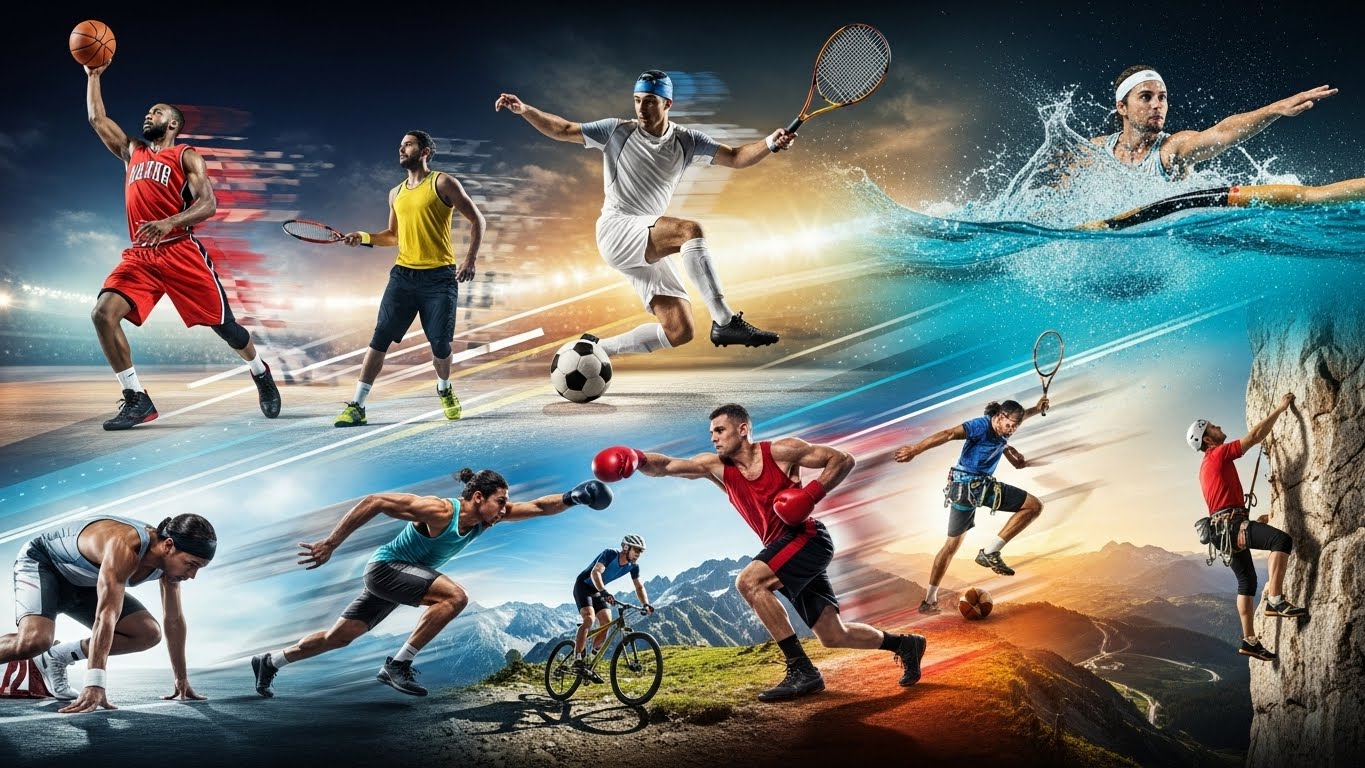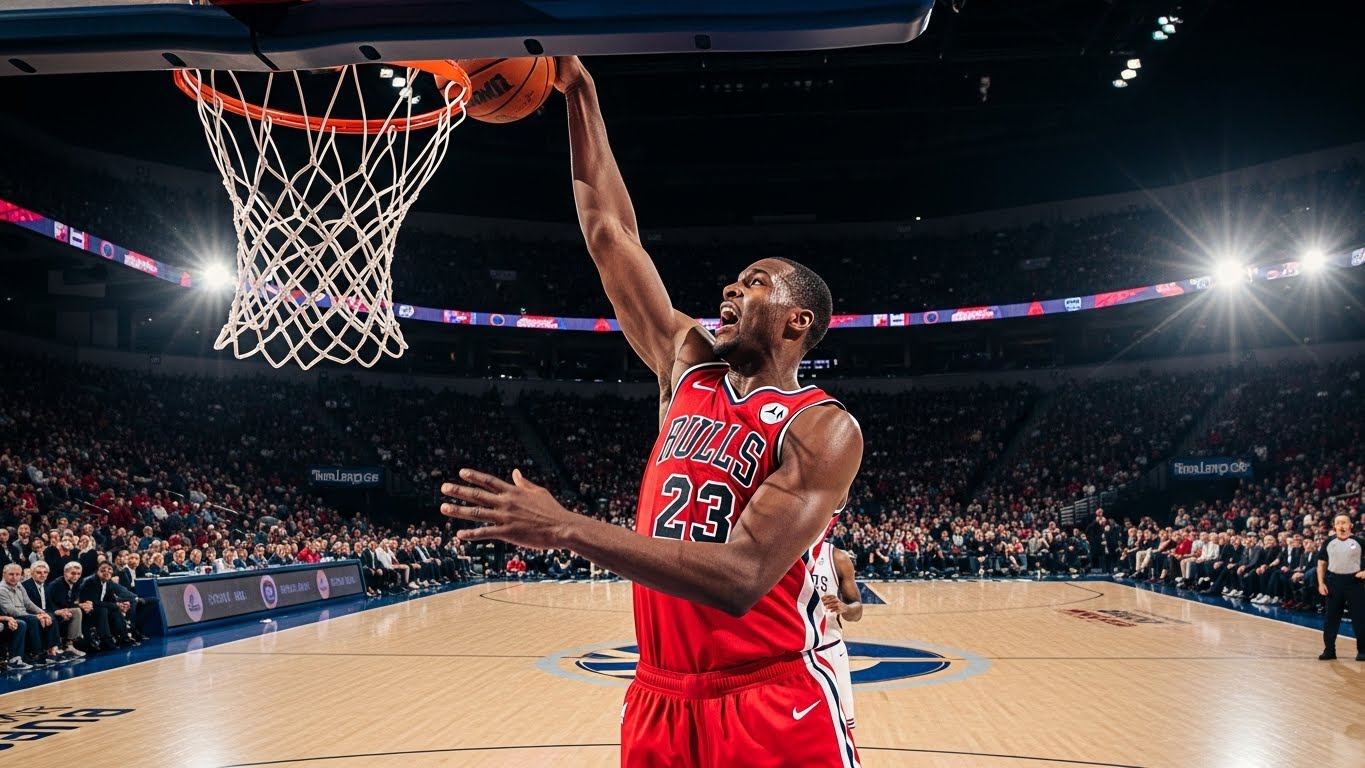
Sports have always been more than a game. They are a mirror reflecting human ambition, endurance, unity, and spirit. Across centuries, civilizations have used sports not just as entertainment but as an essential part of cultural identity, political expression, and personal development. From the dusty fields of ancient Greece to the billion-dollar stadiums of today, sports have traveled an extraordinary journey. They have evolved in form, purpose, and global significance, becoming one of humanity’s most powerful social forces.
In this extensive look at the world of sports, we will explore their origins, their transformation through ages, their psychological and social impact, and the ever-expanding global culture that surrounds them.
The Ancient Roots of Sports
The earliest traces of sports can be found in ancient civilizations such as Egypt, Mesopotamia, China, and Greece. In Egypt, tomb paintings dating back to 3000 BCE depict activities like wrestling, swimming, and archery. These were not just recreational but symbolic acts of strength, courage, and preparation for war. Physical ability was deeply valued, as it represented divine favor and personal honor.
In ancient China, sports were tied closely to military training. Archery and chariot racing were essential for soldiers, while activities such as cuju — an early form of football — were played to promote fitness and discipline. Similarly, in ancient Greece, sports were considered sacred. The Olympic Games, first held around 776 BCE, were not mere competitions; they were offerings to the gods, particularly Zeus. Athletes competed nude, symbolizing purity, equality, and the celebration of the human form. Victors were glorified as heroes, and their triumphs were immortalized in poetry and sculpture.
These ancient sports reflected societal values. Strength equated to honor. Victory meant immortality. Athleticism was intertwined with spirituality, war, and art. From the arenas of Rome, where gladiators fought to the death for entertainment, to the fields of Olympia where ideals of excellence (arete) were pursued, sports revealed both the noble and brutal sides of humanity.
Medieval and Renaissance Sports: The Age of Nobility and Tradition
During the medieval period, sports continued to evolve but took on new meanings. In Europe, knights and nobles used sports to display valor and skill. Jousting tournaments, archery contests, and hunting expeditions became defining features of aristocratic life. They were not only demonstrations of courage and strength but also social events that reinforced hierarchy and chivalric ideals.
Peasants, on the other hand, engaged in simpler forms of sport — folk games, wrestling, and early versions of football played on village greens. These games were often rough and chaotic, with few rules and frequent injuries. Yet they carried immense communal importance, offering a rare escape from labor and hardship. Sports were a unifying force, even in societies deeply divided by class.
The Renaissance era brought intellectual revival and with it, a renewed interest in the body. The idea of a “sound mind in a sound body” began to shape attitudes toward physical activity. Fencing, dancing, and organized games gained prominence among both men and women. Physical education began to be valued alongside mental discipline, a concept that would later lay the foundation for modern athletics.
The Birth of Modern Sports
The modern concept of sport — structured, codified, and global — began to emerge in the 18th and 19th centuries, particularly in Britain. Industrialization changed the rhythm of life, creating both leisure time and urban populations eager for organized entertainment. Schools and universities became the breeding grounds for many modern sports. Rugby, cricket, and football all trace their standardized rules back to English institutions like Eton and Cambridge.
The spirit of fair play, teamwork, and discipline was embedded into these games. Sports were no longer about mere survival or spectacle; they became a means to build character. The British exported these values and their games across their empire, spreading cricket to India, rugby to New Zealand, and football to every corner of the world.
In 1896, the modern Olympic Games were revived by Baron Pierre de Coubertin, inspired by the ideals of ancient Greece. His vision was to promote peace and unity through athletic competition. The first modern Olympics, held in Athens, marked a turning point. It established sport as a global language — one that transcended race, class, and nationality.
The 20th Century: Sports as a Global Phenomenon
The 20th century saw an explosion in the scale and influence of sports. With radio, television, and later the internet, athletes became celebrities and sports became massive industries. The Olympic Games grew into the world’s largest sporting event, showcasing not only athletic excellence but also national pride and geopolitical rivalries.
The rise of professional leagues transformed sports from amateur pastimes into full-time careers. The National Football League (NFL) in the United States, the English Premier League in the United Kingdom, and basketball’s NBA became symbols of entertainment and commercial success. The introduction of sponsorships, broadcasting rights, and endorsements created a financial ecosystem that made sports one of the most lucrative industries on earth.
But sports were not only about money or fame. They became arenas for social and political change. The image of Jesse Owens sprinting to victory in Nazi Germany in 1936 shattered myths of racial superiority. Jackie Robinson breaking the color barrier in baseball in 1947 redefined American identity. Muhammad Ali’s stand against the Vietnam War turned sport into a platform for moral and political courage.
Women, too, began to claim their rightful place in the sporting world. Icons like Billie Jean King, Serena Williams, and Mia Hamm transformed perceptions of female athletes, proving that strength and grace were not bound by gender. The inclusion of women in the Olympics and the creation of professional women’s leagues further advanced gender equality in sports.
Sports and Technology: The New Age of Performance
The late 20th and early 21st centuries have seen technology redefine the very nature of sports. Equipment, training methods, and data analysis have advanced at an astonishing rate. From carbon-fiber bicycles to biomechanical analysis of movement, athletes now operate at the intersection of science and skill.
Video replay and goal-line technology have made officiating more accurate, while wearables and performance trackers allow athletes to monitor every heartbeat, step, and calorie burned. Sports medicine has evolved to prevent injuries and extend careers, while nutrition science has refined how athletes prepare and recover.
Even fan experiences have transformed. High-definition broadcasts, virtual reality, and social media allow fans to engage with sports in ways that were unimaginable decades ago. A teenager in Brazil can follow a basketball game in Los Angeles in real-time, sharing opinions with fans in Tokyo or Lagos. Sports have become a truly global conversation.
The Economics of Sports: Beyond the Game
Modern sports are not just competitions; they are colossal economic enterprises. The global sports industry is worth trillions of dollars, encompassing media rights, merchandising, sponsorships, and ticket sales. Mega-events like the FIFA World Cup or the Olympics generate massive economic activity, from tourism to infrastructure development.
However, this growth has not been without controversy. The commercialization of sports has led to debates about ethics and integrity. Issues such as doping, match-fixing, and corruption have tarnished reputations and raised questions about fairness. Athletes have become brands, and sometimes, the purity of sport is overshadowed by financial motives.
Yet, despite these challenges, sports continue to inspire millions. They create jobs, unite communities, and provide opportunities for youth across the world. For many developing nations, sports serve as both an escape from poverty and a source of national pride. The story of a child rising from humble beginnings to global stardom remains one of humanity’s most powerful narratives.
The Psychology of Sports: Mind Over Muscle
Behind every great athlete lies not only physical prowess but immense mental strength. Sports psychology has revealed that success in sports is as much about the mind as it is about the body. Focus, resilience, confidence, and emotional control determine performance under pressure.
The psychological battle within sports is universal. Every competitor faces fear, doubt, and failure. Learning to overcome these challenges builds character and resilience that extend far beyond the field. The ability to recover from defeat, adapt strategies, and maintain discipline is what separates champions from the rest.
Moreover, for spectators, sports fulfill deep psychological needs. They provide belonging, identity, and shared emotion. Supporting a team or an athlete becomes a source of community and joy. The thrill of victory, the agony of defeat — these emotions connect people across borders and cultures.
Sports as a Tool for Social Change
Throughout history, sports have proven to be one of the most powerful instruments for social progress. They break barriers, challenge stereotypes, and foster unity where politics often fail. From Nelson Mandela’s use of rugby to unite post-apartheid South Africa to the Black Lives Matter protests in the NBA, sports continue to be a platform for justice and equality.
In many cases, athletes have taken stands that echo far beyond the field. They use their fame to spotlight issues like racial injustice, gender inequality, and human rights. Sports, by their very nature, demand fairness — a level playing field where merit decides outcome. That ideal inspires broader movements toward equality in society.
Even on a local level, community sports programs help bridge divides and offer young people paths away from violence and despair. They teach teamwork, discipline, and respect — values essential for coexistence and progress.
The Globalization of Sports
The 21st century has made sports more global than ever before. The rise of international broadcasting, digital platforms, and social media has created truly global fan bases. Football is played and followed in every nation, cricket is watched by billions across continents, and the NBA has fans in every corner of the world.
Athletes now transcend nationality. A football club in England may have players from a dozen different countries. Global tournaments bring nations together, turning games into celebrations of diversity and unity. Sports diplomacy has become a subtle but powerful tool in international relations — fostering goodwill and collaboration among countries with otherwise tense political relations.
Esports, the digital frontier of competition, has added a new dimension to globalization. Millions now watch video game tournaments with the same enthusiasm as traditional sports, showing that the spirit of competition continues to evolve with technology.
The Future of Sports: Innovation and Integrity
As we look ahead, the future of sports will likely be defined by balance — between innovation and integrity, commerce and culture, performance and humanity. Technology will continue to enhance training, officiating, and fan engagement, but maintaining fairness and sportsmanship will remain paramount.
Sustainability is also becoming a central concern. Major sporting events are under increasing pressure to reduce their environmental footprint. Stadiums are being built with eco-friendly materials, and organizations are investing in green initiatives. The message is clear: sports must lead by example in promoting environmental and social responsibility.
Another key frontier is inclusivity. Adaptive sports for people with disabilities are gaining recognition and respect, particularly through the Paralympic Games. The movement toward gender equality continues to reshape opportunities, pay structures, and representation across all levels of sport.
Finally, mental health — long a neglected topic — is now at the forefront of athletic discourse. Athletes are speaking openly about the pressures they face, helping to break the stigma around mental well-being. The realization that emotional health is as vital as physical strength marks an important evolution in how we understand human performance.
Why Sports Matter More Than Ever
In a world increasingly divided by politics, culture, and technology, sports remain one of the few universal languages. They remind us of our shared humanity — the desire to strive, to connect, to celebrate. Whether it’s a child kicking a ball in a dusty street or millions watching a World Cup final, the essence of sports is the same: hope, passion, and unity.
Sports teach us to value effort over outcome, teamwork over ego, and persistence over comfort. They mirror life itself — unpredictable, challenging, but always full of possibility. Every goal scored, every record broken, every race won is a testament to human potential.
From ancient arenas to digital stadiums, the story of sports is the story of us. It is a tale of evolution, resilience, and the timeless quest for greatness. As long as humans dream, there will be sports — because they are, and always will be, the purest expression of the human spirit.